

The Unspoken Etiquette of Southern Bird Hunting
From doves and quail to ducks and rails, southern bird hunting etiquette is shaped by private land hospitality and limited public land opportunities.
Hunting culture in the South is as much about people and traditions as it is about birds. Being born and raised in the Carolinas, I quickly learned that the rhythms of southern bird hunting are tied to farmland, family, long-held traditions, and a respect for the landowners who make it all possible. Compared to upland traditions in the Northeast, Midwest, or West, our world here in the Southeast is a little slower. It has its own nuances and always ties back to hospitality.
On paper, our hunting opportunities are fewer, our birds are scarcer, and our access to public land is much less. However, our hunting etiquette is shaped deeply by traditions. Much like the roots of our beloved live oaks, our connection to the lands we hunt is deep.
If you’re familiar with hunting ruffed grouse in the Northeast or sage grouse out west, stepping into the South’s upland scene can feel like entering another world. Here, dove hunts are more social than serious, bobwhite quail hunting is deeply tied to private preserves or old plantations, woodcock are largely overlooked, ruffed grouse cling to isolated mountain ridges, and marsh hens are the beloved “mud chicken” of the coastal marshes.
Southern upland hunting etiquette is unwritten and unspoken, but it clings to local bird hunters like Spanish moss. Let’s examine what makes the southeastern bird hunting “code of conduct” so unique.
Southern Bird Hunting Etiquette on Private Land
One of the biggest distinctions in the South from most places in the United States is access to land. Unlike the vast publicly accessible expanses of the Midwest or West, the Southeast is dominated by private land. Farms, timber tracts, pine plantations, and crop fields form the backbone of our landscape and our hunting opportunities. For better or worse, almost every bird hunting tradition here relies on access to someone else’s property, either by written lease or informal invitation.
The first unspoken rule of hunting on private land is to respect the landowner. If you’re invited to hunt, you’re a guest in every sense of the word. Walking onto someone’s hunting property is as sacred as being invited into their home. That means introducing yourself to the host (and toting a few sausage biscuits can never hurt). Hunt where they say you can hunt, use the roads they say are okay to use, lock the gates behind you, and always clean up after yourself. Offer thanks at the end of a hunt, and share your success if you have some. If you were raised right, a gesture like sharing birds or sending a handwritten note afterward never goes unnoticed. Down here, “thank you” isn’t just a phrase, it’s a posture.
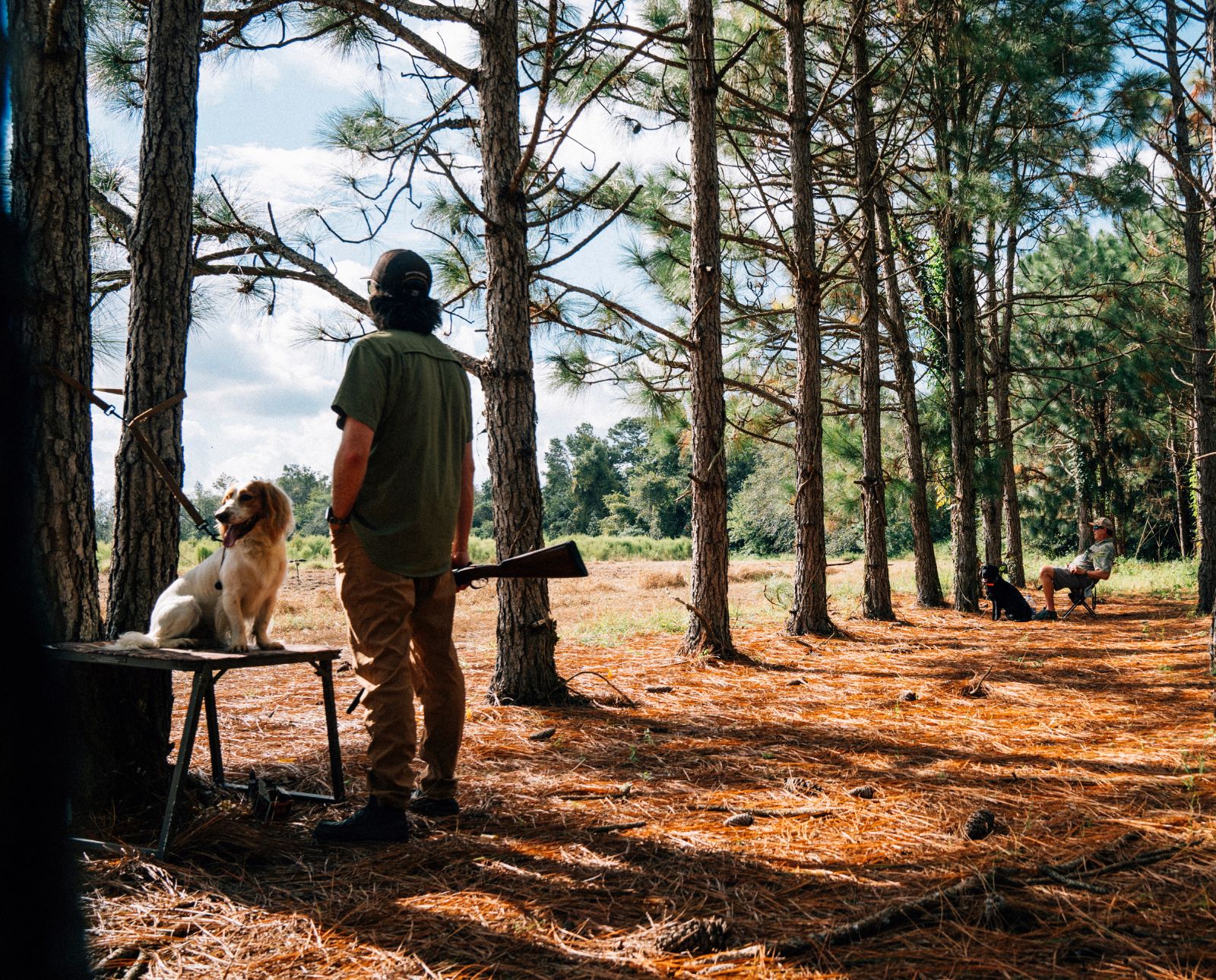
The second unspoken rule of private land hunting is to know your place. Many southern quail or dove hunts involve groups larger than what you might see elsewhere. When you’re in someone else’s field or woods, defer to the host’s system. If they assign stands on a dove field, stick to your post. If dogs are being run, respect the handler and stay in your lane. Call your birds you plan to take, and don’t be afraid to shout across the field when they are moving towards another hunter. Above all, respect the dogs. Most hosts much prefer the dogs to the hunters; don’t forget that.
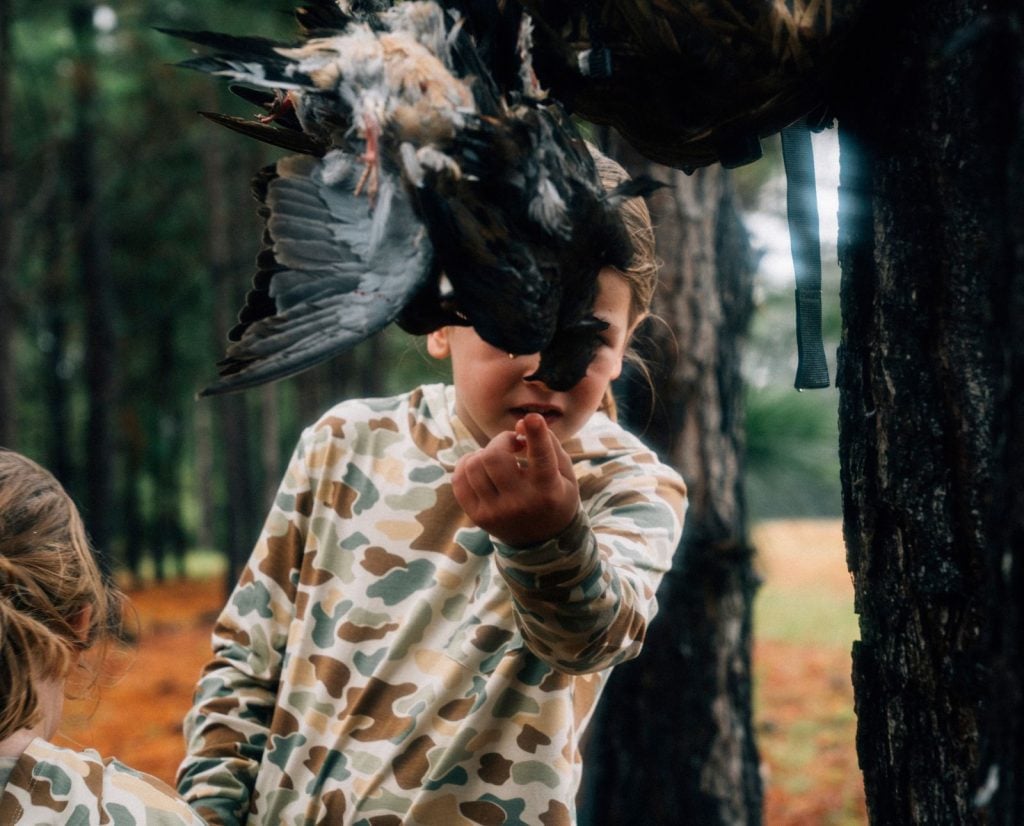
Treat the land better than you would treat your own, and don’t be in a rush before or after the hunt. Make time to share your own stories or listen to stories, especially the old timers’. And if there is a kid in the field, congratulate them on their shot. Make them feel ten feet tall.
This land-based social etiquette forms the foundation of all southern bird hunting, and it’s rooted in hospitality. Without it, doors close quickly and, as we say, “You won’t be welcomed back.”
Southern Dove Hunting: A Social Affair
In the Carolinas and across the South, dove hunting is less about filling a limit and more about fellowship. When opening day of dove season rolls around in early September, invitations are more similar to a Fourth of July barbeque than a hunt. Trucks, buckets, and camp chairs line the edges of sunflower and millet fields, coolers sit in the shade, conversations and laughter boom louder than the gunshots.
WATCH: Little Gray Birds – Southeastern Dove Hunting
Rules and etiquette in the dove field include:
- Safety above all. With large numbers of hunters in close proximity, muzzle control is everything. Shooting low birds is unacceptable and will get you booted from the hunt not just because it’s unsporting, but because it’s unsafe.
- Respect your spot. Even if the birds seem to be flying better down the line, stay put unless the host suggests moving. Wanderers are seen as disruptive and rude. The host will make the rounds in his golf cart to make sure you’re seeing birds. If not, he will probably offer you an opportunity to move.
- Mind your shells and birds. Pick up empties, mark your downed doves, and don’t leave birds or trash behind.
The dove hunt is one of the most democratic hunts in the South. You’ll see kids, families, old-timers, casual hunters, and die-hards sharing the same field. All dogs are welcome, from the field trial champion, to the coach potato, to the 10-week-old pup. This is more about keeping the peace than proving your skill. And if there is lunch offered, don’t forget to bring something to contribute. Don’t be surprised if you get asked to stay and watch a college football game, either.
Southern Bobwhite Quail Hunting is Rooted in Tradition and Reverence
No bird embodies southern upland culture like the bobwhite quail. Historically, these little brown birds were abundant across the region, but today, quail hunting largely survives on private lands or preserves where habitat is carefully managed and birds are supplemented. Quail Forever and the South Carolina Department of Natural Resources are making great strides to improve and in some areas re-populate quail, even designating some parcels of public land as bird dog training grounds where hunters can plant birds and work dogs.
WATCH: Hard Day Riding – A Southern Field Trial Film
Quail hunts are steeped in tradition; there are trucks or wagons with dog boxes, fine old shotguns, and handlers in tweed. Pointing dogs are the true stars of the show. As a result, the etiquette of quail hunting in the South is largely about dogs and reverence:
- Never shoot a low bird. Safety of the dogs, fellow hunters, and the handlers make this rule absolute.
- Respect the dogs. Slow down and watch the dogs work. Walking up to a dog on point amongst the bunchgrass and longleaf pines is an image of olden times. Also, let the dog retrieve the downed bird before you run off to chase another flush. Let the handler work the dog to hand and give the dog praise. They are working harder than the hunters after all.
- Just pick one. If you are fortunate enough to flush a covey, just pick one bird out of the initial covey rise. Shooting into the group is careless and lacks sportsmanship. My great uncle used to make us pick out the cocks from the hens. If we shot a hen, it was a slap on the wrist. Picking your shot also allows you to cherish this special little bird.
- Know your role. The landowner, host, or hunt leader dictates the rhythm. Look to them as to when to flush, when to move, who in the group is shooting, and who watches. Again, slow down and enjoy the hunt. This is something special. Don’t rush it.
Unlike dove hunts, quail hunts tend to be quieter affairs. The dog work, the sudden flutter of wings, the history and heritage, the beauty of the landscape is all bound by tradition.
Woodcock Hunting in the South: The Overlooked Migrant
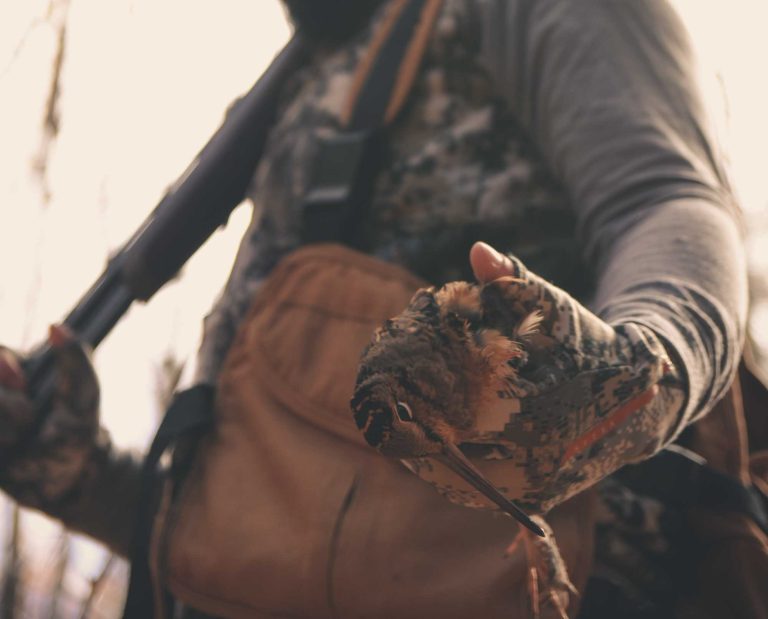
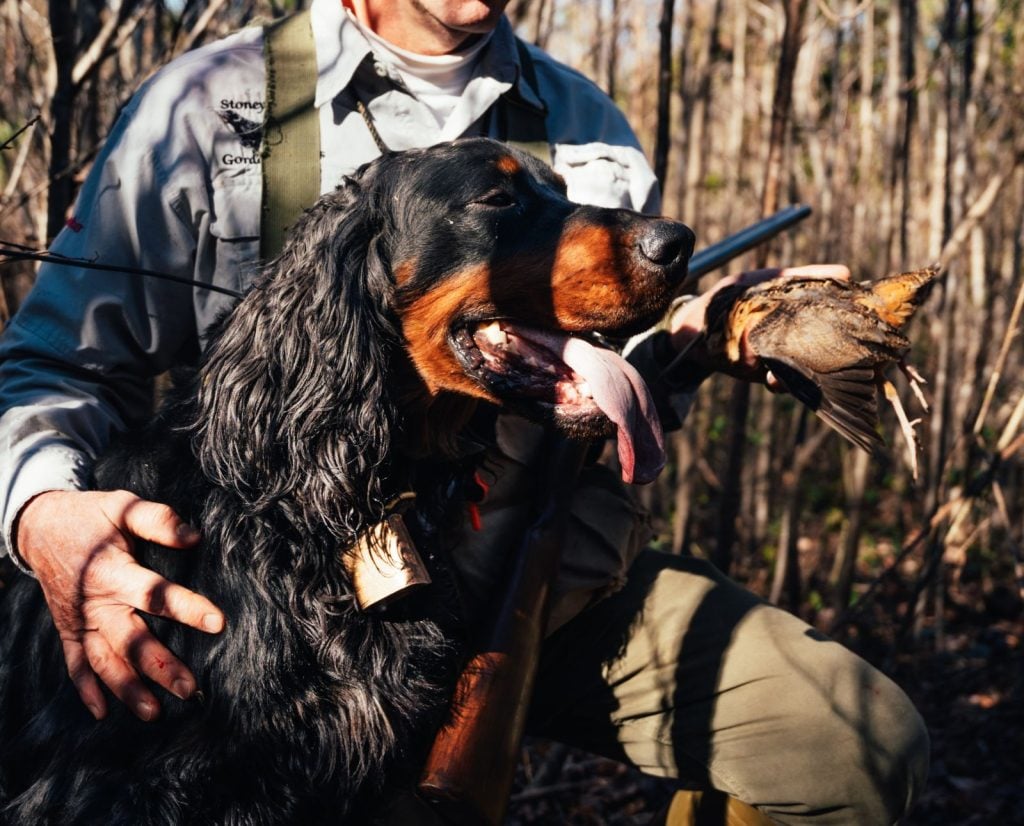
In the Carolinas, woodcock are a hidden gem. While hunters in New England and the upper Midwest center entire seasons around timberdoodles, in the South, they’re often overlooked. Many southern hunters bump into them by accident while quail hunting or walking to the deer stand, surprised by their erratic flight and unique wing whistle.
WATCH: Through The Trees: Woodcock Hunting with Gordon Setters in North Carolina
For those who do target woodcock, the etiquette is simple:
- Tread lightly. Woodcock cover is fragile. Don’t trample or overhunt prime spots, especially on public lands where opportunities are scarce. Working through the thick cover is part of the joy and work of the hunt. Minimize your disturbance.
- Share the secret sparingly. Woodcock hunting here is still niche. If a friend shows you a good cover, don’t broadcast it. Keep it close and quiet. However, make note of the geography and topography. Take the time to go find birds and establish your own spots. Finding new wild bird cover is the highest reward of chasing woodcock.
- Adapt your expectations. Limits may be generous by regulation, but taking only a bird or two feels more in keeping with their population status. We are conservationists, not wing collectors. These birds are just passing through the Southeast, and we need to ensure they continue a full migration and breeding cycle. Hunting southeastern woodcock is more about savoring the surprise than chasing bag limits.
Southern Appalachian Ruffed Grouse: Ghosts of the Uplands
If you mention hunting ruffed grouse in the Carolinas, you’ll get confused looks. They were once scattered more widely across mountainous forests, especially when there was a large timber industry present in those areas. Today, they survive only in isolated highland tracts. Hunting them is less a matter of tradition than sheer grit and perseverance.
READ: What’s Limiting Eastern Ruffed Grouse Populations?
The etiquette of southern grouse hunting is rooted in humility:
- Don’t brag. In the Southern Appalachians, a single grouse flush is a success. Bagging one is a feat. Bragging rings hollow.
- Respect the cover. Grouse are habitat-dependent, and with so few places left, the habitats that hold them are sacred.
- Go for the experience, not the harvest. Chasing southern grouse is more about walking ridges, working your dog, and accepting that the bird may win nine times out of ten. Also, bring along a fly rod. Hooking a few trout will break up the feelings of defeat and despair.
For northern hunters used to more consistent flushes, southern grouse pursuits can seem puzzling and maybe even pointless. But down here, the experience, the wild places, the fall colored leaves and the clear waters flowing by award your persistence with perspective.
Clapper Rails and King Rails: The Marsh Hen Hunting Tradition
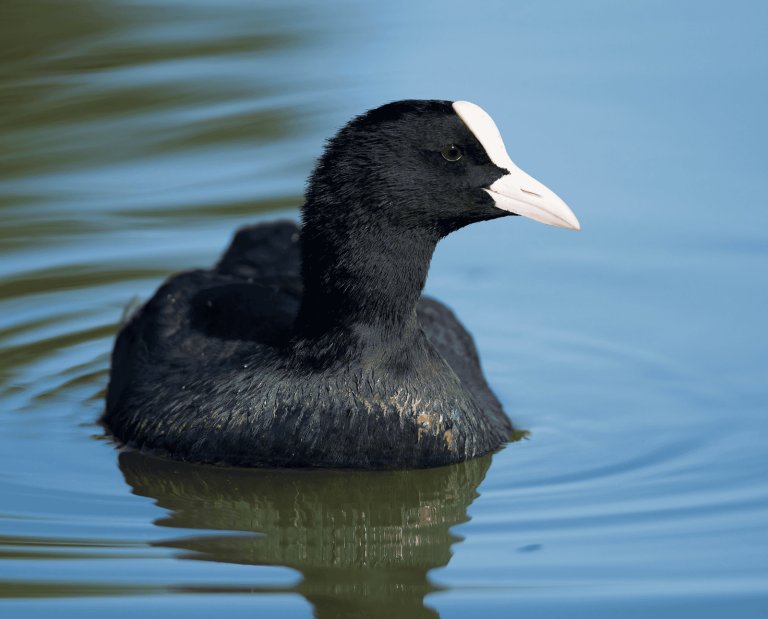
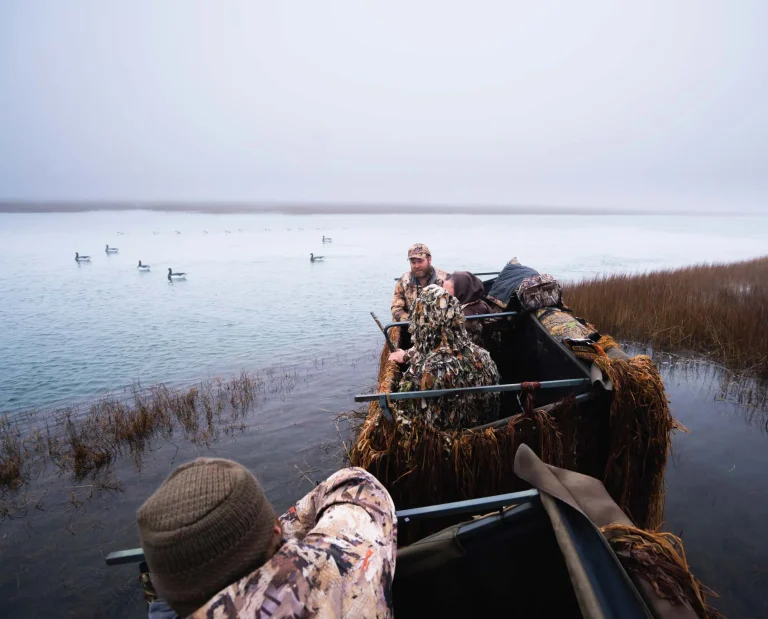
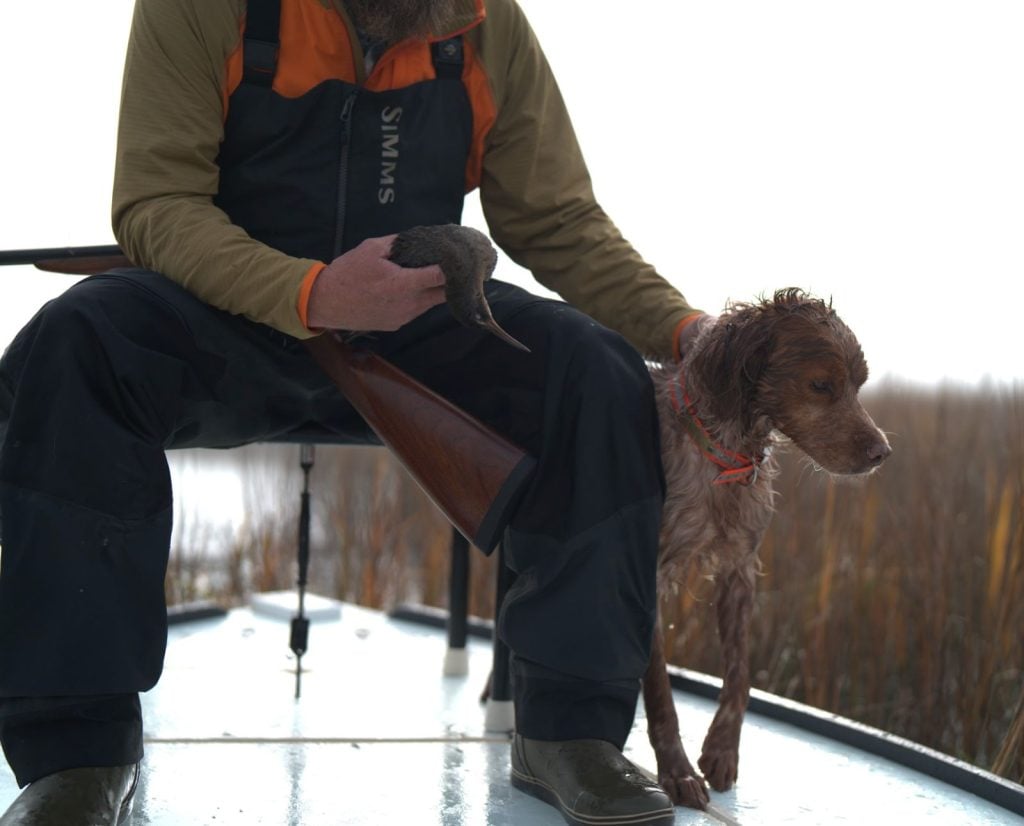
Unique to the Southeastern coastal marshes are marsh hens. More formally, “marsh hens” refers to clapper rails or king rails. The unique birds are hunted from shallow-draft boats or canoes, pushed through spartina grass at high tides. It’s a coastal tradition few outsiders experience, but it carries its own set of rules. I mean, it’s wild to use a boat to flush birds rather than a dog!
WATCH: Lowcountry – Woodcock and Clapper Rails in South Carolina
When hunting marsh hens:
- The tide is king, literally and figuratively. These hunts are rarely successful on anything but a “King Tide.” This is when the gravitational pull from the moon causes a larger-than-normal high tide to occur. This happens most commonly in the fall. Be sure to hunt only on the right tide, and know what the tide chart says. The water will move out as quickly as it moves in, and with a plus 6-foot tide in certain areas, you don’t want to risk stranding the boat on a bluff and waiting 12 hours to get out.
- Respect limits. Rails can be abundant in the marsh, but populations vary. Enjoy the opportunities you are presented with, but don’t feel the need to fill a limit; it’s not a contest.
- Share and enjoy the experience. For many, a marsh hen hunt is more about the novelty than the numbers. Including newcomers is part of the tradition. Bring a fly rod to take advantage of the redfish and trout that move into the flats with the big tides. Smell the salty air and take it all in.
This blend of boating, wading, and shooting makes for a uniquely southern pursuit that feels closer to duck hunting than upland. Don’t wear any clothes you don’t mind getting muddy because our pluff mud is a fearsome foe to anything new and clean.
Waterfowl Hunting Features Calm Mornings and Gratitude
While not always lumped into “upland” discussions, ducks and geese are a huge part of the bird hunting culture here in the South. In the Carolinas, flooded swamps, beaver ponds, planted impoundments, and coastal marshes offer numerous waterfowl hunting opportunities, if everything lines up.
We’ve discussed a lot of etiquette so far, but waterfowl is the most serious:
- Don’t crowd. Public water duck hunts are notorious for pressure. Showing up early doesn’t mean setting up right on top of someone else. Getting shot isn’t a threat, it’s a risk for the foolish. Setting up too close to someone else in the dark is not like being in the field. There is no blaze orange out here. The goal is to blend in, making most hunters almost invisible. Most hunters utilize 12-gauges, full chokes, and heavy loads, all together are lethal at 50-plus yards. Distance is your friend.
- Call with restraint. Overcalling is seen as both unsporting, disrespectful, and annoying.
- Share in the work. If you’re invited to a private blind, pitch in with decoys, breakfast, or post-hunt chores. If you are a guest on a boat, supply the coffee and breakfast or pitch in for gas.
- Make sure you are legal. Check, then check again. If you don’t have a license, permit, or duck stamp, get them all before you make plans to hunt. If you are in a boat, make sure you have life jackets, a fire extinguisher, whistle, lights, and other safety gear. More than any other form of hunting here, the Department of Natural Resources does not play around with duck hunting. It’s all about fun and enjoyment, but safety and legality are paramount on the water.
Although the ducks are less abundant here than in the Mississippi or Central flyways, the southern etiquette leans heavily toward enjoyment and gratitude. Watch the sunrise, shoot some ducks, and enjoy coffee and breakfast with good friends.
Southern Bird Hunting Is All About Tradition and Hospitality
Here in the South, we make do with what we have—and we’re thankful for every square inch. Whether that’s a Saturday morning dove shoot on a family farm, a quail hunt in planted pines, a long walk for a single woodcock flush, or a day on the coastal marshes for a “cast and blast,” the southeast has a lot to offer for bird hunters wanting a unique experience.
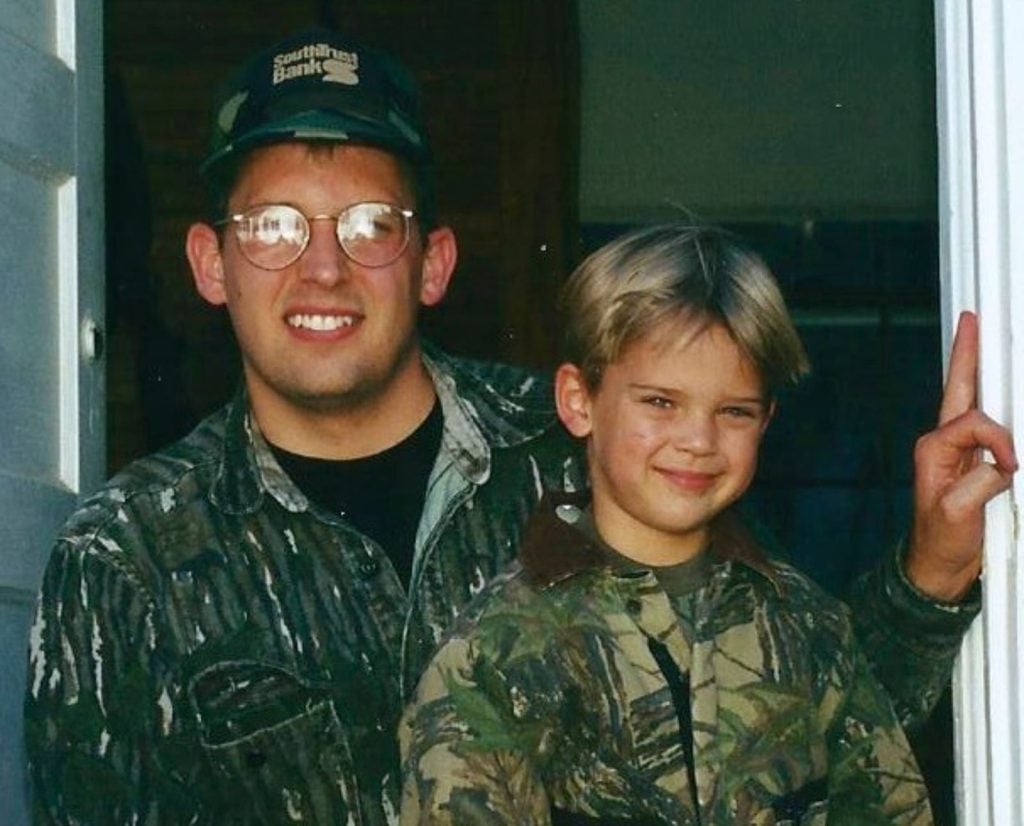
The tradition and pace of the South is what binds it all together. It’s not written in regulations, but known in the way you carry yourself, treat the host, joke with friends, break bread after the hunt, and the way you speak about the birds and the wild places they take you. Born and raised in the Carolinas, I can tell you this: it’s not about the birds you take home. It’s about the home the birds take you to.