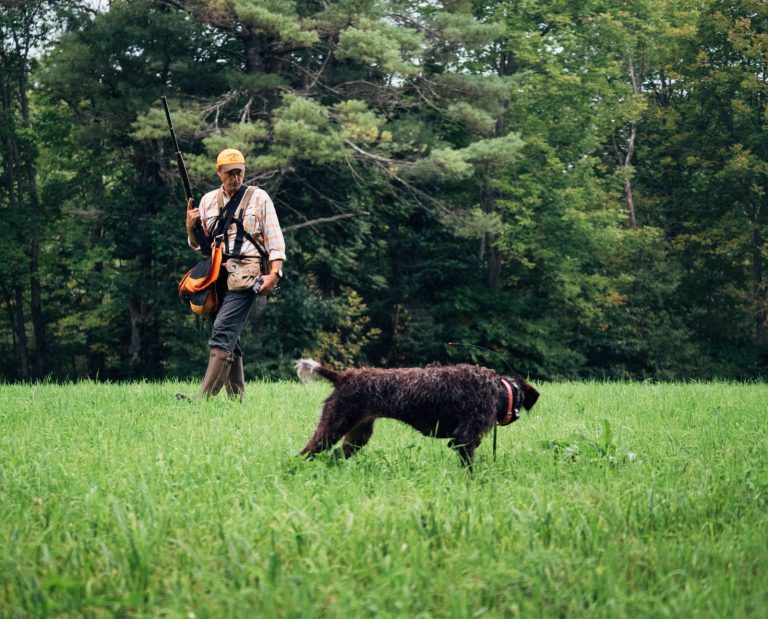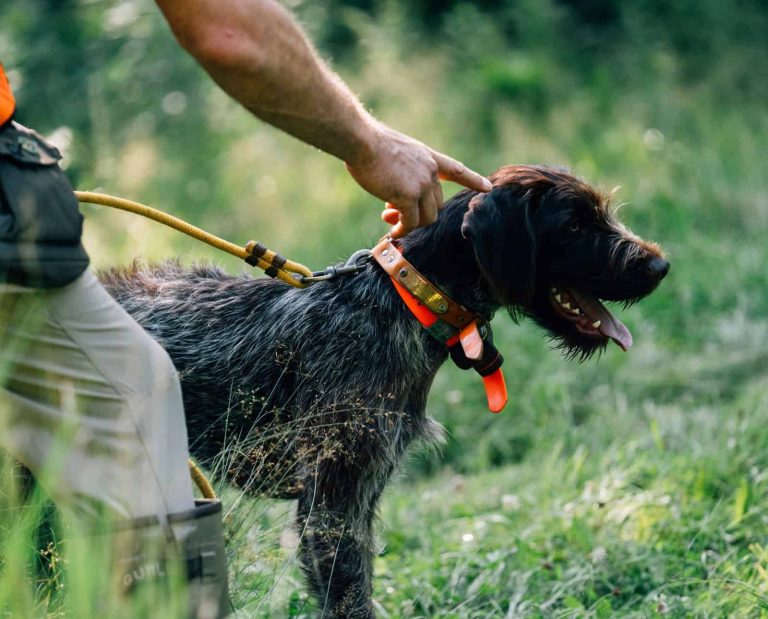


The Braque Francais: A Rare French Pointing Dog Breed
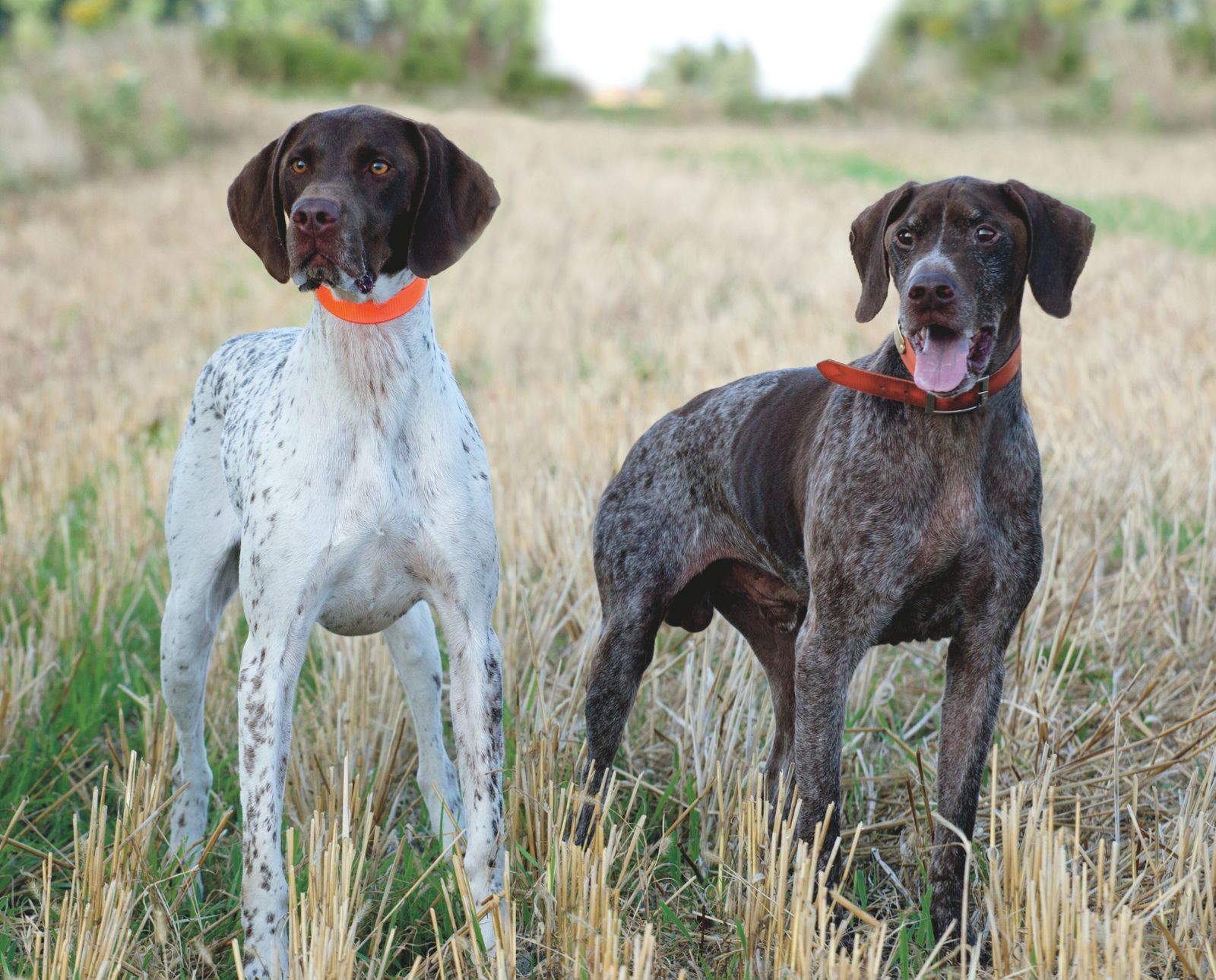
Both Gascony-type and Pyrenean-type Braques Francais are classically appealing and intelligent, loving bird dogs
The Braque Francais is an interesting case study when it comes to the history of hunting dog breeds. While researching which hunting dog breed would be best for me, I found that many breeds feature a singular description and uphold an uncompromising breed standard. Think Pointers or English Setters; these breeds have a specific look to them, and deviations from it are generally frowned upon. Sure, different breeders may opt for slightly different flavors of their preferred breed. But the Braque Francais has two distinct branches: the Gascony type and the Pyrenean type.
In Pointing Dogs Volume One: The Continentals, historian Craig Koshyk writes that he and his wife have only witnessed the Gascony-type in France. However, they have seen the Pyrenean-type across North America, including in Minnesota, Quebec, and Ontario. Although the Pyrenean-type may be more accessible for hunters outside of Europe, both types have a strong gallop and a powerful point.
Although German Shorthaired Pointers and Braques Francais have similar physical characteristics, the Braque Francais is not just a small GSP. They are entirely different breeds. To learn more about this beautiful, hardworking French dog, I talked with Braque Francais Pointer (BFP) breeder Jeff Kershner of Hun Creek Kennels and referred to Koshyk’s iconic tome.
In This Article:
- Braque Francais Characteristics and Form
- Braque Francais Temperament
- Braque Francais Hunting Abilities: Field Work, Pointing, and Retrieving
- Training Braque Francais Dogs
- Braque Francais Breed History
- Finding a Good Braque Francais Breeder
- Breed Clubs
Braque Francais Characteristics and Form
| Characteristics | Details |
| Breed Name | Braque Français (pronounced Brak Frawn SAY), braque meaning “pointing dog” and Français meaning “French.” Plural: Braques Français |
| Breed Types | Braque Français Pyrénées, or Braque Francais Type Pyrenees Braque Français Gascogne, or Braque Francais Type Gascony |
| Size | Pyrenean: 50-55 cm Gascony: 61-63 cm |
| Tail | Cropped |
| Coat | Pyrenean: Short, fine hair Gascony: Short, rather thick hair |
| Coat Color | Brown and white roan, white with brown patches, brown and white roan with tan markings |
| Health Issues | Lack of data |
| Character | Gentle, friendly |
| Population | Pyrenean: 650+ pups whelped per year Gascony: 40-80 pups whelped per year in France |
| Range | Pyrenean: Medium to wide-ranging Gascony: Close to medium, closer working than the Pyrenean type |
| Pace | Medium to fast gallop. Pyrenean is faster than Gascony |
| Good For | All upland game, waterfowl hunting in milder temperatures |
The most significant difference between Pyrenean-type and Gascony-type Braques Francais is their size. “A male Gascony can be as much as 22 cm taller than a Pyrenean male, at least on paper,” writes Koshyk. However, he’s also found that in reality, their sizes aren’t that drastically different and “the preferred sizes for both differ by about 10 cm.”
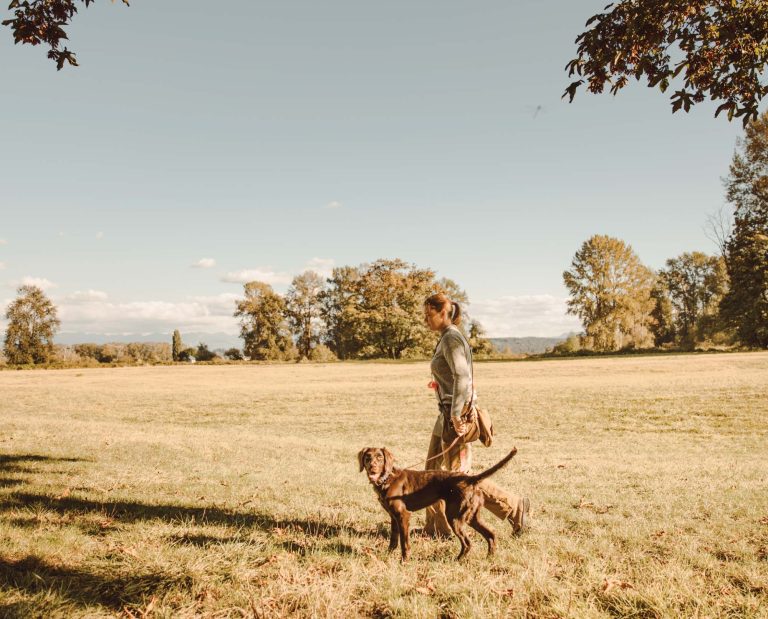
Jeff Kershner owns three Pyrenean-type BFPs. “Our dogs Ruby, Pico, and Skeena have medium coarse and medium dense coats,” said Kershner. One thing he really likes about their coats is how easily they shed burrs and seeds. “They can handle moderately cold water conditions and do just fine. We hunt our dogs all the way through December without an issue.”
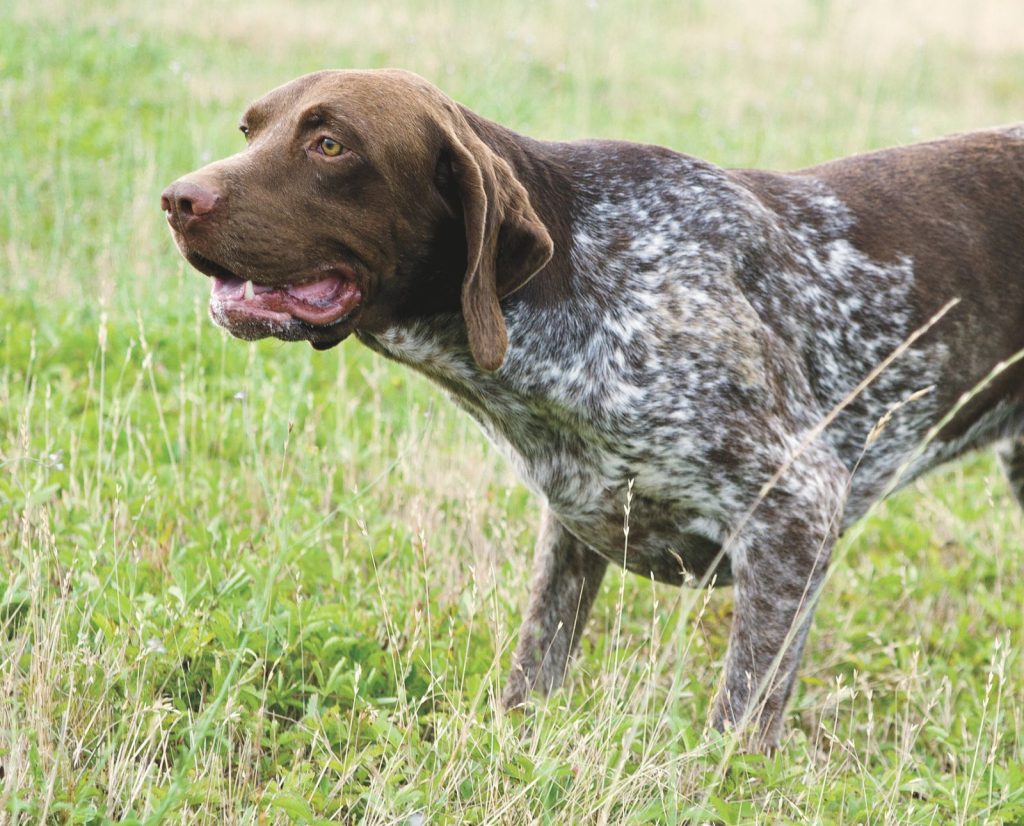
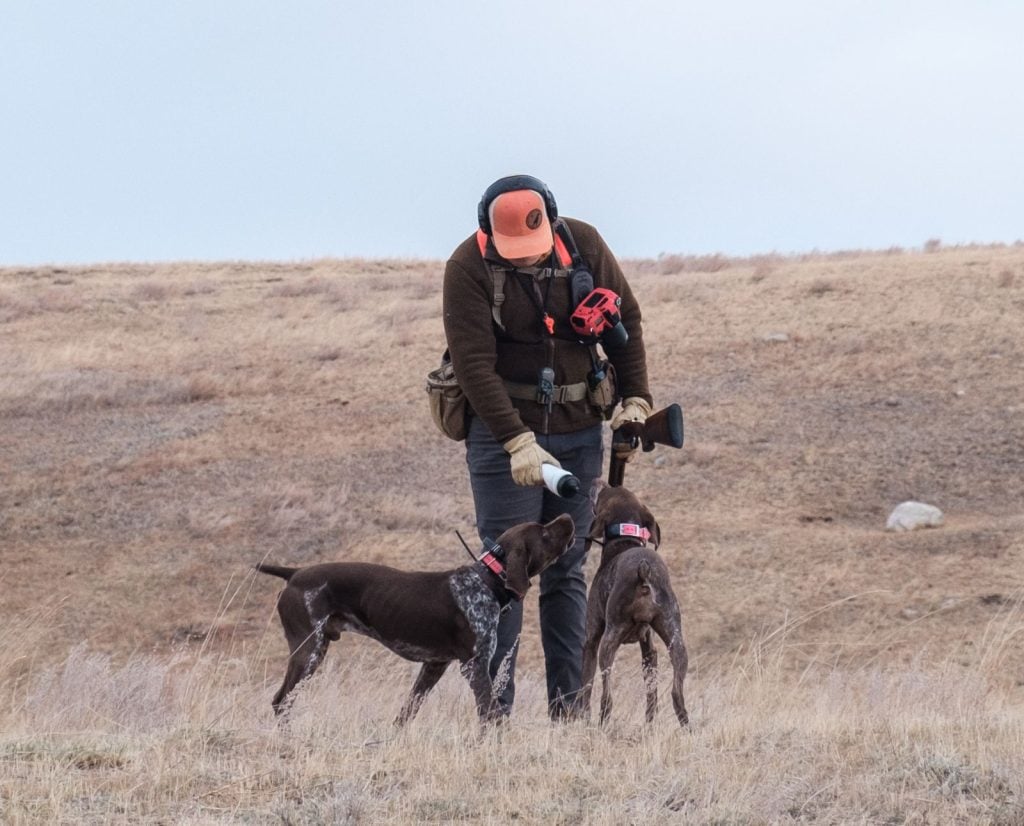
Although they will happily do so, BFPs weren’t made to nap on the couch. They were bred to work hard, and it’s apparent in their musculature. The Gascony-type has a little bit more of that old school look to them; a broad head, a certain thickness about them, and longer, lower ears. The Pyrenean-type more so resembles a petite German Shorthaired Pointer, but they have “a different head shape and are generally smaller than the average GSP” according to Koshyk.
Braque Francais Temperament and Home Life
The BFP has a reputation as being a tireless hunting companion and wonderful family dog. “At home, our dogs are inside with us and are most often found in our laps or next to us in the study while we work,” said Kershner. “They are very affectionate and don’t respond well to isolation.”
Kershner continued, mentioning that BFPs are social, people-loving dogs. As a result, they don’t make for great home protection or guard dogs. “Newcomers are quickly welcomed with an enthusiastic greeting,” according to Kershner. Others familiar with the breed echo Kershner’s remarks; in a personal communication, Wade Landreville, an American BFP breeder, told Craig Koshyk how the Braque Francais doesn’t seem to have a mean bone in its body.
Braque Francais Hunting Abilities: Field Work, Pointing, and Retrieving
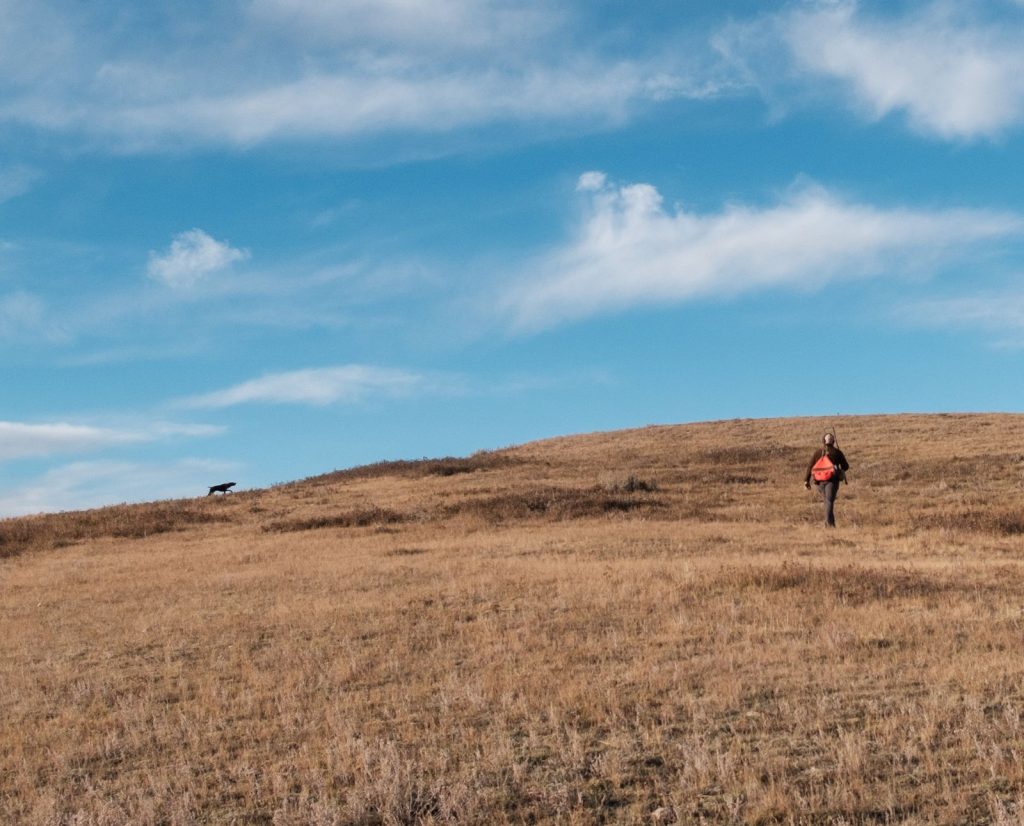
Jeff Kershner and Craig Koshyk have both witnessed their fair share of Braques Francais. Kershner said that most of the time, they are medium to long range dogs; he’s only seen one dog he’d define as a “close worker.” Koshyk writes that “the Pyrenean type is faster and generally runs fairly wide. But the Gascony is far from being a bootlicker…they generally run at a medium gallop out to about a hundred meters in open terrain.” Kershner reminisced about the time his dog Pico pointed a group of sharp-tailed grouse 550 yards away. Clearly, these dogs can quickly and effectively cover some serious country.
When it comes to pointing, BFPs develop early. Koshyk writes that both types are very solid pointers as well. Some may point with style, but depending on where they are and what the conditions are like, others may simply just stop and lock up.
Whether you’re hunting in the forest, prairie, moving water, or standing water, both types of Braques Francais are natural retrievers. Kershner has been particularly impressed by how well his dogs handle ducks. “Ruby’s first waterfowl retrieve was in a snowstorm where a young hunter wounded a duck that was swimming around in front of us,” he said. “Ruby followed the duck through several dives and finally grabbed the bird and brought it to us. However, once the temperature starts to remain below freezing and ice forms on the water, it’s not recommended to expose these short-haired dogs to freezing conditions.
“If you are primarily hunting ducks and geese on large rivers with ice flows you probably need a different breed,” said Kershner.
Training Braques Francais
Many folks working with BFPs simply rely on their natural abilities; this breed isn’t one that typically requires tons of training. Jean Paul Oustrain, a French field trialler, told Craig Koshyk that “most Braques Francais are more or less born trained…But you do need to have a gentle hand with this breed; they do not take harsh methods very well.”
Kershner seconded Oustrain’s remarks. “In our experience,” he said, “they learn quickly, but don’t respond well to harsh criticism or training methods. This breed prefers to figure things out and most do with consistent training. Of course early exposure to all sorts of situations makes for a more confident dog.”
Wade Landreville reiterated essentially this same information to Koshyk, too. “If you can be firm but not harsh when a dog is trying to get away with something, and patient when they are trying to figure something out, you will find the Braque Francais to be an easy dog to train.”
Braque Francais Breed History
If you’ve ever flipped through Pointing Dogs Volume One, you’re familiar with how in-depth Koshyk goes into bird dog breed history. The Braque Francais section is no exception.
“There is a tendency among many breed historians to emphasize a Spanish origin for the pointing dog,” Koshyk writes. “But what is overlooked is the fact that all pointing dogs come from a region that encompasses lands on both sides of the Pyrenees Mountains, including parts of modern-day France.” This is true for the Braque Francais as well. However, after a mass importation of English hunting dogs in the 1800s, the “old styles of Braques retreated to their place of origin, the south of France.”
By the early 1900s, interest in this rustic breed grew, and “a counter-movement developed in France.” Hunters once again sought out the type of dog their fathers and grandfathers hunted with. Some of them wanted to retain the qualities of the past, while another subset of hunters wanted faster, wider-ranging dogs.
Koshyk emphasizes that this was no means a conundrum unique to the Braque Francais. What is unique to this breed, though, is the fact that the Club du Braque Francais decided to follow both directions simultaneously. The club established two standards: “One for dogs with the more classic look and working style and one that would allow for smaller, finer boned dogs that were selected to be faster and wider ranging.”
After surviving World War II, the club ultimately recognized two standards: Grand and Petit. “In 1975 the two types of Braques Francais…were officially named Gascony and Pyrenean,” writes Koshyk.
How to Find a Good Braque Francais Breeder
While there is a North American breed club, according to Kershner, the Club Braque Francais North America is not very active. That said, several breeders can be found online advertising their sires and dams.
“Unfortunately, like other breeds there are backyard breedings that produce puppies that may not have had the testing for physical characteristics that should be required,” said Kershner. He recommends looking for breeders whose dogs participate in NAVHDA, UKC, AKC, or other formal organizations that can give you some indications about the dogs being bred. He also suggests taking things a step further and interviewing breeders, asking for references, familiarizing yourself with breed pedigrees, and even inquiring about whether you can join in on a hunt.
“Breeders that share how they are raising their puppies, making sure that socialization occurs, and sharing videos of the litters and how they are being raised are things I like to see when making a decision,” said Kershner.
The Koshyk Effect
Jeff Kershner mentioned that he “started as a Lab guy and trained retrievers.” He read about the Braque Francais in Koshyk’s Pointing Dogs Volume One and decided to give the breed a try. “We love them,” he said, “I always blame Craig Koshyk for buying my first BFP. Had I not read his book I would probably still be raising Labs.”
I think many bird dog owners can relate to Kershner’s story—he read Koshyk’s book, fell in love with an uncommon breed, brought a new puppy home, and the rest is history.