

Something About a Bobwhite – A Project Upland Original Film
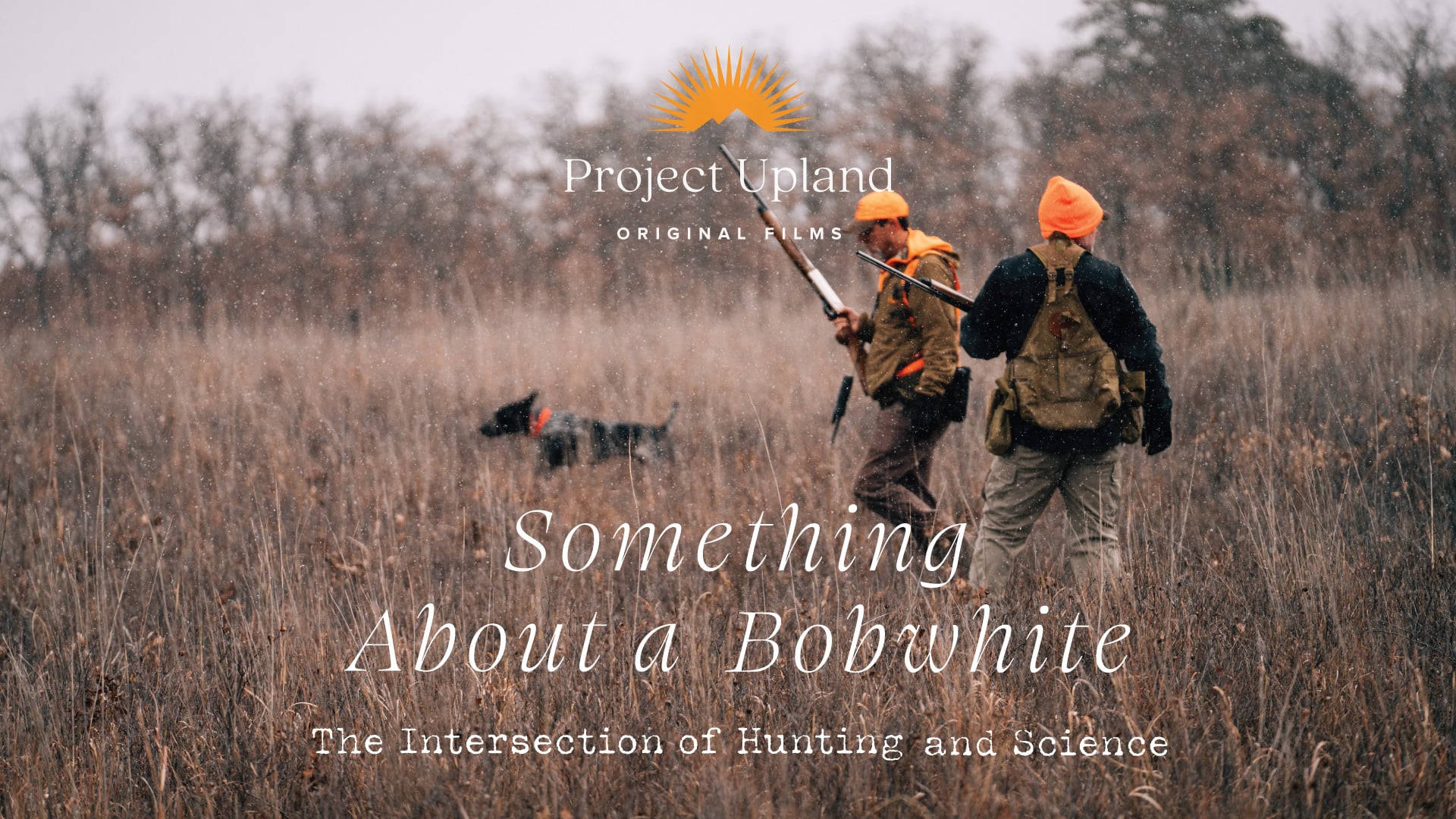
Kyle Hedges and Frank Loncarich bring a lifetime of dedication to bobwhite quail research and management, rooted in their foundation of hunting and a deep relationship with the land and the species.
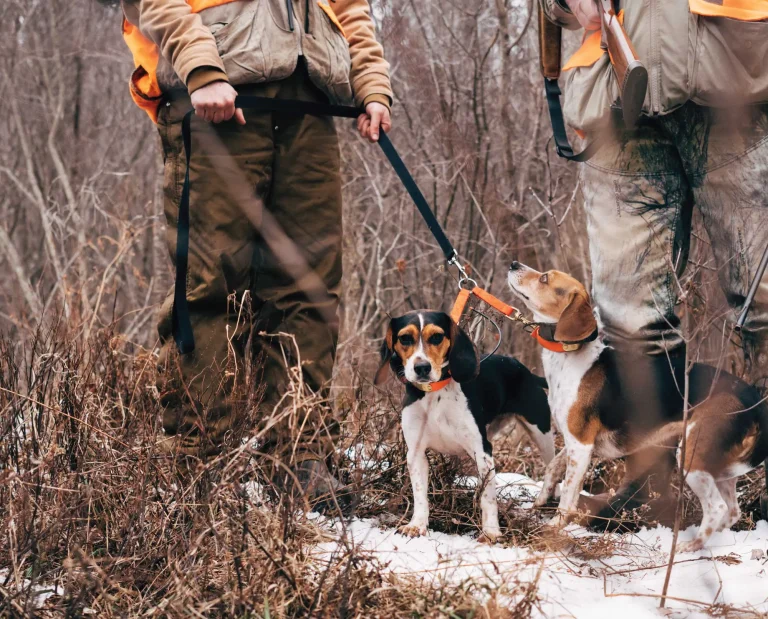
Three German Shorthaired Pointers scoured the cover ahead of us, hoping to inhale the sweet scent of bobwhite quail in the lightly falling snow. These same dogs had hunted here earlier in the year and pointed several coveys, but this outing was unfolding differently. The snow created a picturesque scene, making the 19-degree temperature feel worthwhile. We hoped for an improvement in scenting conditions.
Suddenly, Sage slammed on the brakes. She stood motionless, looking into a quartering wind. She pointed into a thicket’s edge, positive that there was a covey of quail waiting to erupt. Upon our approach, Sage broke and repositioned. She pushed through the thicket, then veered left. At the same time, Pepper caught the scent but veered right and locked up solid. We each approached a dog, ready for the inevitable flush, but nothing happened. Both dogs broke and began trailing in opposite directions.
Point, break, reposition. Point, break again, reposition. Finally, after nearly one hundred yards in each direction, Pepper pointed again. This time, it was followed by a flush. Unfortunately, it was a single, not the entire covey.
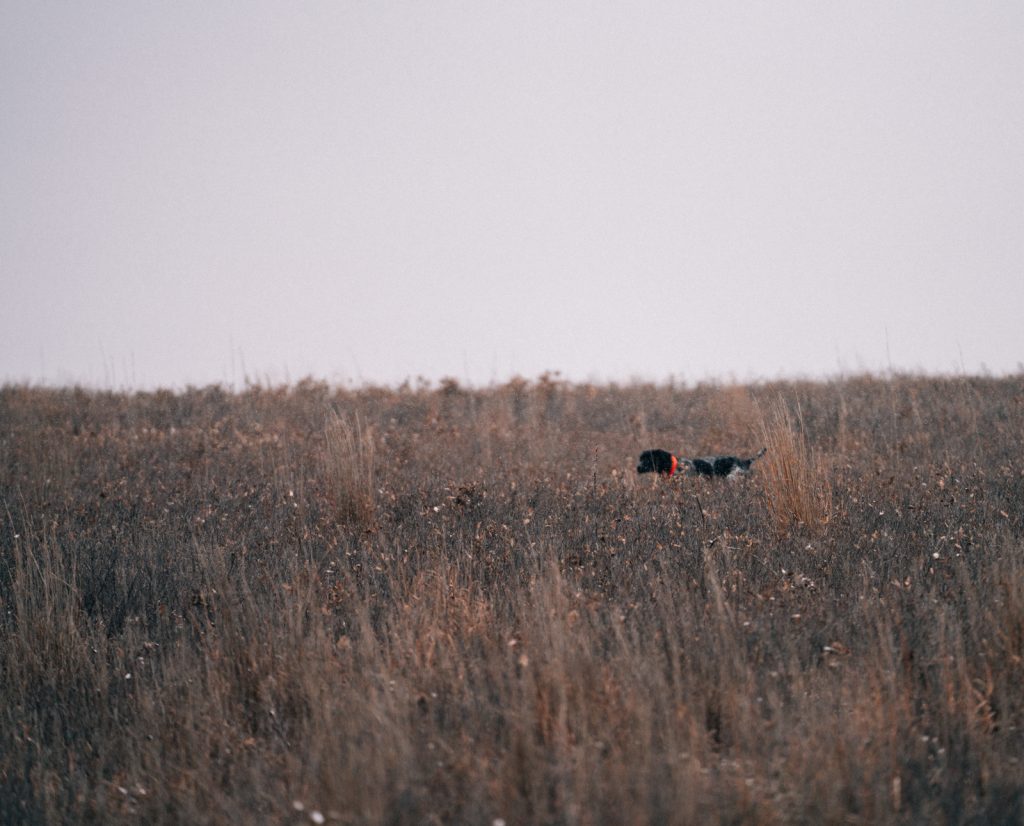
We reconvened at the thicket and worked the cover in other directions in hopes of finding the rest of the covey. None of the dogs could find any other trails to follow, and we realized this covey—much like a previous covey that day—had taken advantage of the dry conditions. The birds had fooled all three dogs.
We reflected on our bird encounters of the day. Our experience as wildlife biologists told us we were in prime habitat and that some birds were still around, even if it was late in the season. They had everything they could need: adequate grass for insulation from the cold weather, ideal thickets to escape predators and harsh weather, and, most importantly, an abundance of forbs that produced enough seeds to provide food for the entire winter.
Similarly, our experiences as quail researchers told us we were definitely pursuing fewer coveys on this late January day than when we had hunted this area two months earlier. On some of our research sites, we observed up to 50 percent of the coveys on public land relocating to the edges of the wildlife areas within three weeks of the quail season opening. Birds would spend most of their time loafing on the neighboring private lands, oftentimes only roosting and quickly feeding on the wildlife area before leaving, making them vulnerable to hunters for less than an hour. Additionally, birds are harvested throughout the season by both predators and hunters. As covey sizes are reduced to fewer birds, coveys will readily combine to maintain an optimum size for protection from predators and the weather. Between these two factors, a heavily hunted area that has ten coveys on opening day may only have three or four coveys by the tail end of the season.
Our experiences as bird hunters told us it was late season on public land. It was as simple as that. The birds that remained had been harassed all season and knew how to evade hunters and our four-legged companions. Not only were the birds running, but they were also smart enough to split up and run in different directions. With the dry conditions, the scent left by an individual bird was minuscule compared to that of a ten- or twelve-bird covey all running together.
There was only one solution: try to find obscure hunting spots or walk farther than most hunters in hopes of finding some birds that were less educated.
Growing Up in the Uplands
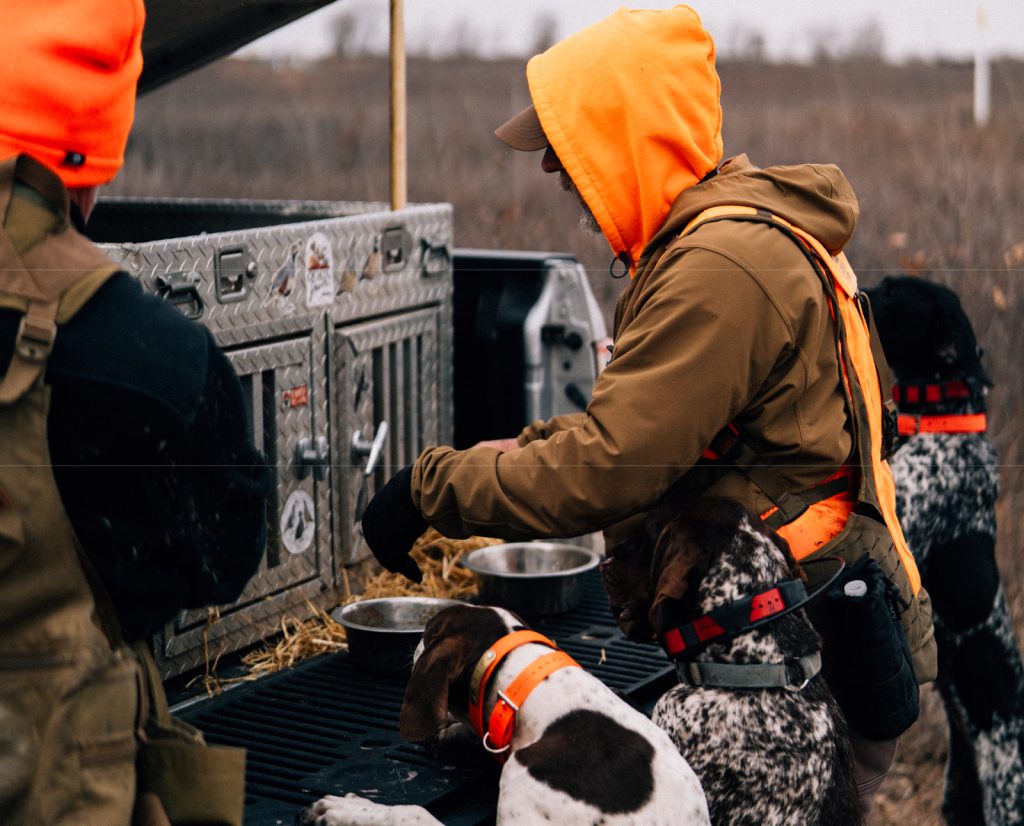
We both followed along with our fathers on several bobwhite quail hunts in the ’80s. Too young to carry a shotgun, we were relegated to BB guns. We helped flush birds when the dogs went on point, as the elders positioned themselves in likely shooting lanes. We attempted to shoot an occasional squirrel or rabbit with our BB guns but rarely had success, as they were severely underpowered. Mostly, we just walked along, happy to be a part of the hunt, even if it meant wading through cover that was half our height.
Eventually, as we reached our teenage years, we were allowed to carry a shotgun and officially became fully participating members of the hunting party. We were slow to shoulder the gun on a covey rise, which resulted in very few birds being harvested by either of us during our first few years. Not to mention, our shooting skills were far from accurate. The adults in the hunting group had been blessed to experience some of the heydays of quail hunting in the ’60s and ’70s. They were well versed in quail hunting and effective at wingshooting, which resulted in plenty of birds in the bag on most hunts, despite our lack of contribution. We helped clean birds, feed dogs, and enjoyed dining on quail anytime they were served. As we matured, we became more effective hunters and, through our college years, were considered legitimate members of our fathers’ upland hunting parties. To join ranks as legitimate bird hunters was the highlight of our lives at that time. The mentors whom we looked up to were heroes in our eyes.
Although our childhood experiences were nearly identical, we lived in different states and never met one another. Our fathers’ primary outdoor pursuit was quail hunting. To us, that was simply what everyone’s dad did on the weekend. In the 1980s, opening weekend of quail season included church dinners and various other traditions, welcoming hunters from all around. Quail were abundant, and bird dogs were common in most neighborhoods. Growing up, bird hunting was simply part of our Midwestern life. We never knew anything different, nor a life without a bird dog or two in the backyard.
We didn’t know it at the time, but we were experiencing part of a dying tradition in the Midwest. Upland bird hunting was being replaced by the rapid rise of deer habitat, populations, and hunters. Dog boxes in the backs of trucks were fewer and fewer, and when we reached college, most kids our age had never owned a bird dog. These were life-affirming moments for us. Though we didn’t know each other, we both made commitments in those formative years that quail hunting would not die in our generation.

Conservation Careers
We attended college in different states as well, both pursuing degrees in conservation. We each worked seasonal positions to gain experience, in hopes of a full-time job soon after graduation. Our plans came to fruition, and each of us eventually accepted salaried positions after college, still in different states and still strangers to one another.
We both continued to pursue quail with our fathers when time allowed, but our new jobs often interfered. We began to venture out on our own, seeking upland birds where we lived and worked, no longer exclusively relying on hunts with our fathers, since our jobs were several hours from our respective homes. We spent time at work managing public lands for upland birds. We learned from pioneers before us but also from our own trial and error. We used hunting as a means to ground our work. We took note of where birds were and where they weren’t, not only in an effort to improve our hunting but also as a way to broaden our habitat management knowledge.
We Finally Meet
After nearly three decades, our paths finally crossed when we both accepted positions in Missouri. Our professional and personal goals aligned identically: to maximize the production of bobwhite quail on public lands and enjoy the spoils during the hunting season. We spent several years managing habitat and experiencing some success. We talked about quail management every time we were together. We spent winters hunting the wildlife areas we each managed and found ourselves constantly evaluating habitat while we wandered the uplands. We found coveys during most hunts, but some hunts were better than others.
We began brainstorming about where the good hunts occurred versus where the average or below-average hunts occurred. Areas that we managed specifically for quail, with lots of labor and dollars, were not producing the number of quail we would expect from the level of management. Other places were producing lots of quail, but not intentionally. Rather, quail were simply a byproduct of the land management we were conducting on these areas. We both felt like we were missing something and needed to fine-tune our understanding of quail habitat and management. It burned us up that we were missing something vital in our effort to manage birds, and we were determined to figure out what was going on.
To start our investigation, we developed a proposal for a quail research project and received the funding we desired. At the time, we simply wanted to know how to make more quail. Little did we know that project would turn out to be the largest quail study ever conducted in Missouri and would revolutionize how we talked about and prescribed quail management forever.
After five years of data collection and tracking more than 1,500 birds on several wildlife areas, we had the answers we sought. Quite simply, quail were responding to the landscape that surrounded them. We had long managed based on conditions when the landscape was made up of small, diverse farmsteads. The landscape used to be full of forty-acre farms where people had grass and crops to sell and for their livestock. Large gardens were common, as well as brushy fencerows where they cut fence posts, keeping them constantly in a low-growing, brushy state. Quail thrived in these conditions, and when the entire county was managed that way, quail were living large.
However, times have drastically changed. Gone are the small farms; in their place are large monocultural plantings of crops and nonnative cool-season grasses. Dozers took care of the fencerows, and bobwhites were forced to settle into ever-shrinking habitat. While we tried to manage based on that forty-acre system, the entire landscape around us had changed.
Through the research, we accepted that some of our previously held notions of good habitat were incorrect. Radio collars do not lie. When birds avoid portions of an area, it is clearly not preferred habitat. At the same time, many of our beliefs were confirmed. Birds preferred many areas we considered ideal habitat. Before and during our research, we often hunted in places that both experience and observation told us held lots of birds. We began to form a search image in our minds of what these places looked like and focused our hunting on those spots. Areas managed with prescribed fire and moderate grazing proved to be the best option for maximizing quail production. This fit perfectly with our winter pursuits, as most of our best hunts occurred on wildlife areas employing these techniques.
Naturally, we were excited about the results of our research and began to tell people and publish articles about our findings. As it turned out, managers and hunters alike were hungry for any kind of newfound quail information. We soon found ourselves touring across the Midwest, speaking at quail management conferences where we were able to share the results of our research. We were able to spend quality time with like-minded people who also had a passion for upland habitat. More importantly, we were able to see research put into action.
Shifts from old-school management, forty-acre management, to a focus on large areas of usable space with frequent disturbance by fire and cattle were occurring across the landscape, which meant more quail were being produced. Our goal of creating more quail on the wildlife areas we managed had expanded beyond our state lines and beyond our wildest dreams.

Expanded Upland Pursuits
After another decade passed, we both decided it was time to take some trips together in pursuit of upland birds in places besides Missouri. We had both been hunting out of state with our own family members but had yet to chase birds together anywhere besides our own state. Our first trip was to the Northwoods, chasing ruffed grouse. We hunted hard and enjoyed some success, each checking a new upland species off our list of birds to harvest. Our next out-of-state hunt found us walking the sagebrush of Wyoming. We did our homework and again were met with success, each harvesting a few sage grouse and a couple of dusky grouse to boot.
As the years went on, we continued to expand our upland pursuits. We climbed mountains for chukars and fought thick riparian brush for valley quail in Utah. We hunted Gambel’s, scaled, and Mearns quail in Arizona and shared prairie ridges in Nebraska in pursuit of prairie chickens and sharptails. We chased bobwhite quail and pheasants in Kansas. Some hunts became annual excursions, while others were simply a one-time experience. Regardless of where we hunted, we continued to evaluate habitat and try to understand why we found birds in certain locations in an effort to further our knowledge of habitat management. Hours and hours of road time helped us further understand our work and devise numerous theories based on our research results. We have traveled together to hunt eight different states, harvesting twelve upland species. Our traveling days are not over yet, as we have a few more species to check off our list.

Passion as Strong as Ever
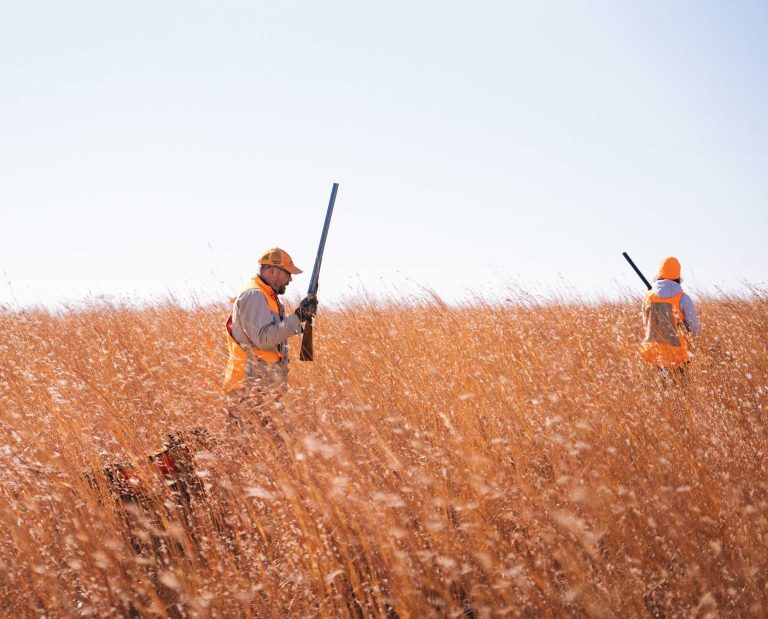
We continued to put boot leather on the ground, forging ahead in search of more cooperative coveys. After nearly a mile without the slightest hint of a dog getting birdy, Harley came to a stop, holding his head up high. Sage and Pepper respectfully honored the point as the snowflakes landed on their motionless bodies. We both knew what Harley’s high head meant; a covey was spread out in front of him. We knew his behavior well, having both hunted with him for five seasons. As suspected, a loosely assembled covey of twelve began to take flight. Each of us selected a bird and made the opportunity count. Sage and Pepper each proudly made a retrieve, and we reveled in both birds’ beauty as we accepted them from the dogs. We stayed the course and found another covey as the day waned. We certainly did not end the day with heavy game bags, but like any upland hunt we experience together, we enjoyed the time together, the time with the dogs, the time discussing habitat, and the challenge presented by Gentleman Bob.
No doubt our careers have aided our upland bird pursuits. But the uplands have also aided our careers, shedding light on preferred habitats as well as areas void of our quarry, while allowing us to help other managers and hunters during frequent networking sessions and through the many publications we have been so fortunate to share. We still help manage public lands for quail at our day jobs. We read the latest upland bird research in pursuit of any tips we might use on our own wildlife areas or prescribe to a private landowner. We plan an out-of-state hunt or two together every year, in addition to hunting in Missouri. We cannot follow a bird dog without mentally evaluating the habitat and discussing the details while we hunt. We often stop during a hunt to take pictures or create a short educational video to share on social media.
Our pursuit of knowledge and passion for the uplands continues as strong today as it was decades ago, maybe even more so as we observe the ongoing decline in bobwhite numbers. We have certainly become better advocates than we were at a younger age, not wanting to see the tradition that literally made us who we are fade away.
We are biologists, researchers, friends, and hunters, all rooted in our passion and ongoing advocacy for upland birds. After decades, it is just who we are.