


A Complete Guide to Marsh Hen Hunting: Habitat, Tactics, and Culture
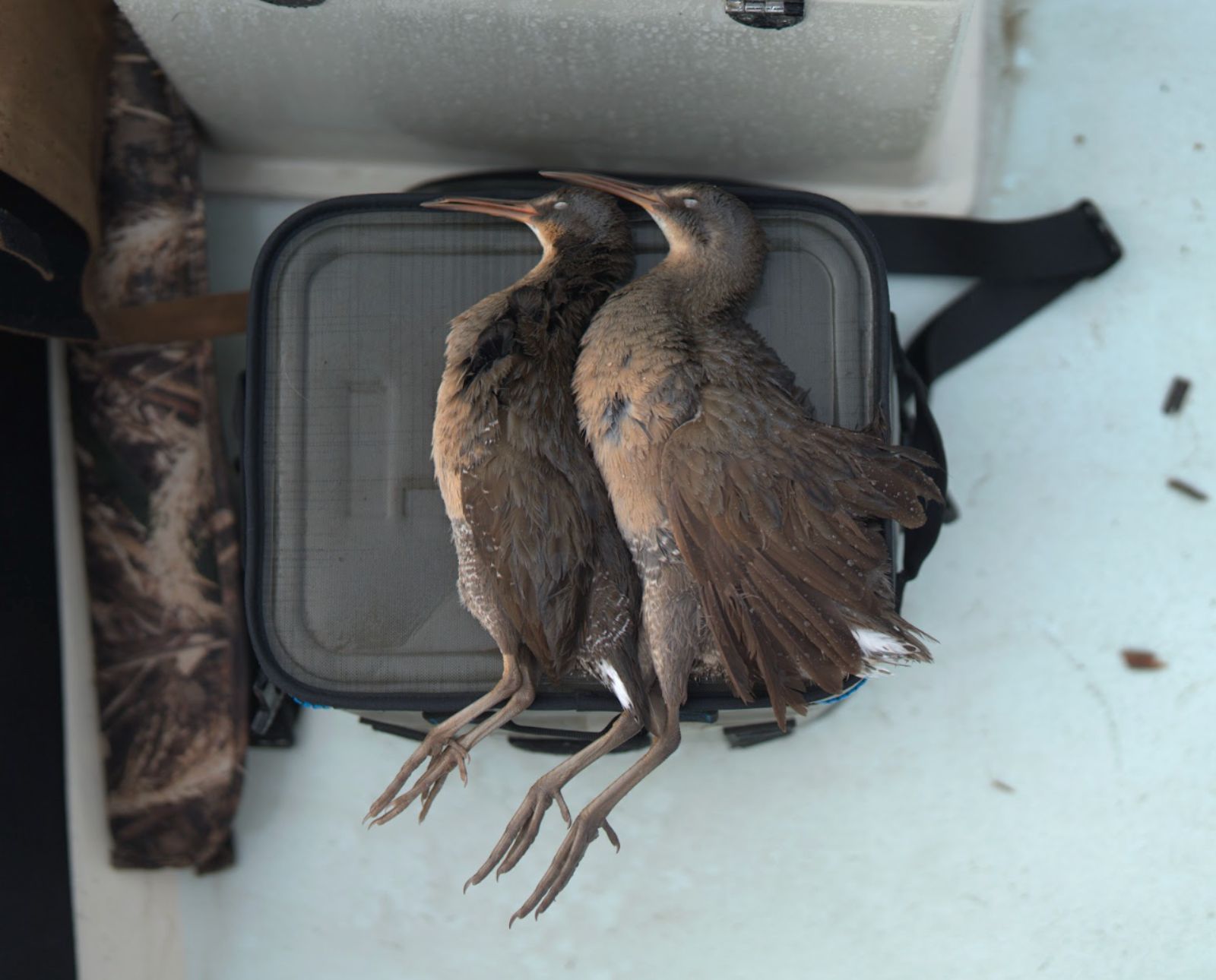
Learn how to hunt marsh hens by timing the tides, navigating coastal marshes, and understanding the culture of a Southern wingshooting tradition
The tide was already pushing high into the spartina when we eased the skiff off the trailer and into the salty estuary to hunt marsh hens. The morning air was slightly humid, slow-moving, and carried the smell of pluff mud. The sun began to rise and, off in the distance, herons stalked the grassy edge as the tide crept across the flats. Somewhere, hidden deep in the marsh grass, are the marsh hens. Their tell-tale kek-kek-kek call carries over the water. The sound is all too familiar for anyone who’s hunted these birds or poled a flooded flat. It’s a reminder that the most peaceful looking marsh isn’t quiet at all—redfish crash, mullet jump, and marsh hens cackle—all signs of a great morning.
Marsh hen hunting is one of the oldest and most uniquely Southern forms of wing shooting still practiced today, but its popularity is small. Unlike the quintessential southern bobwhite quail hunt, there are no fine shotguns, pointing dogs, longleaf pines or tweed jackets. Marsh hen hunting is messy. It’s a working man’s bird hunt that depends on the tides, the wind, and the moon. This hunt is conducted in the hidden corners of coastal estuaries that stretch from Virginia down through the Gulf Coast. It’s not upland hunting in the traditional sense, but it’s rooted in tradition, the coastal lifestyle, and flushing wild birds.
This is the complete guide to marsh hens. We’ll explore the opportunities it grants hunters willing to trade boots and briars for skiffs, pluff mud, and spartina. And if you’ve ever wanted to combine a morning of wingshooting with an afternoon of chasing tailing redfish or speckled trout schooled on the flooding tide, well, chasing marsh hens might be your new obsession.
What is a Marsh Hen? Clapper Rails, King Rails, and Other Species
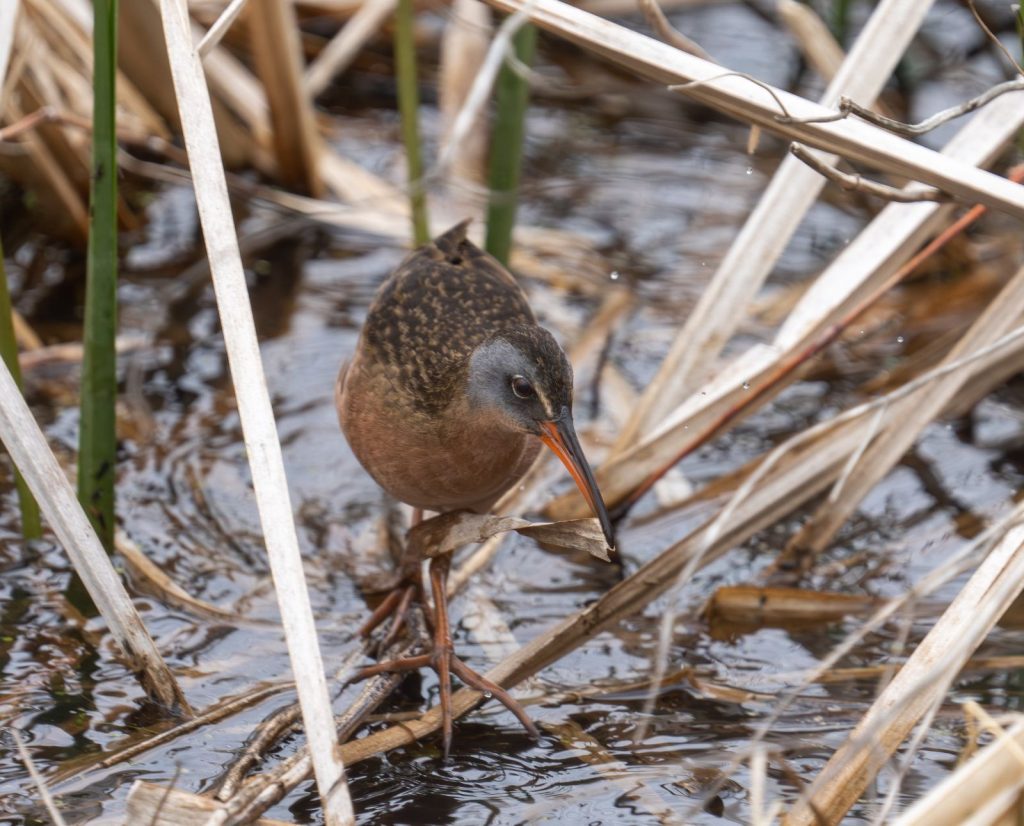
Across the Southeast, “marsh hen” is the catch-all name for several species of rails, most notably the clapper rail and king rail, with the occasional Virginia rail or sora mixed in.
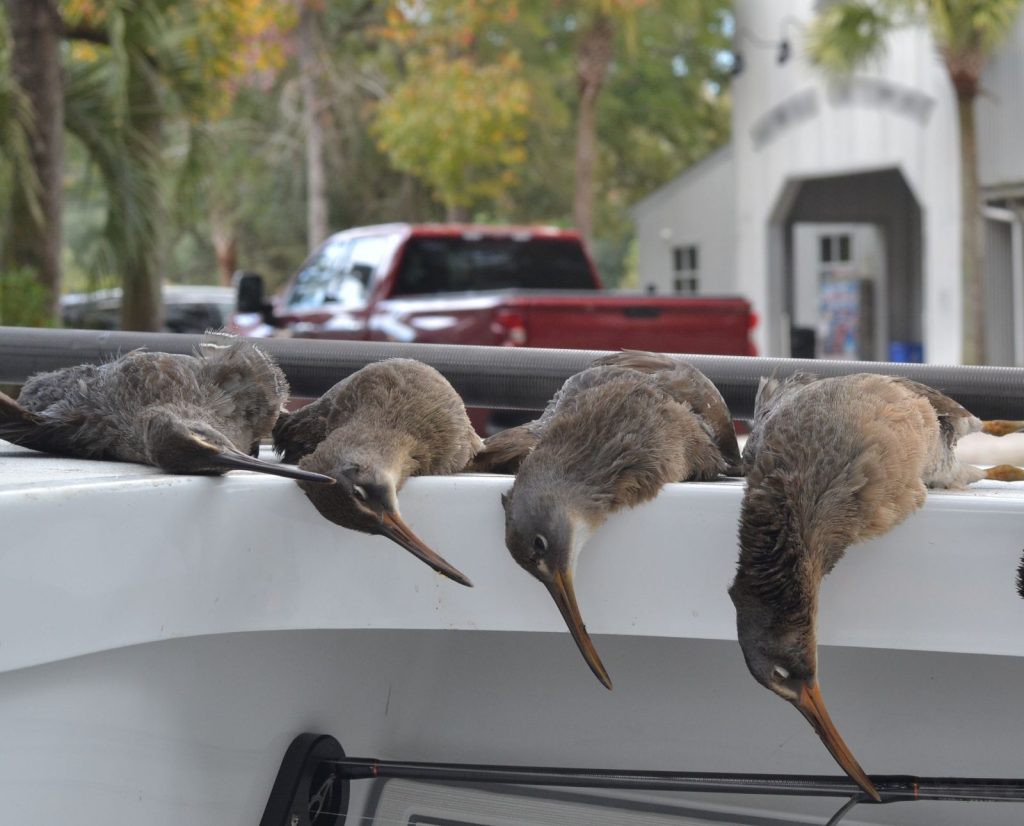
The clapper rail is lean, long-legged, and long-billed. It is the classic bird hunters identify with this pursuit. Clapper rails live their entire lives in the salt and brackish marshes, slipping between grass stalks like ghosts, feeding on fiddler crabs, snails, and pretty much anything small and unlucky enough to get caught beneath their uniquely curved bills.
READ: North America’s Huntable Rails and Snipes
They are masters of staying unseen. Instead of flight, they prefer to run. Instead of open water, they slip through grass so tight you’d swear it couldn’t hide a mouse, much less a bird the size of a small duck. And unlike quail or grouse, rails don’t flush unless they absolutely have no other option.
That’s where the tide comes in.
Marsh Hen Habitat: Flooded Marshes and Fast-Moving Water
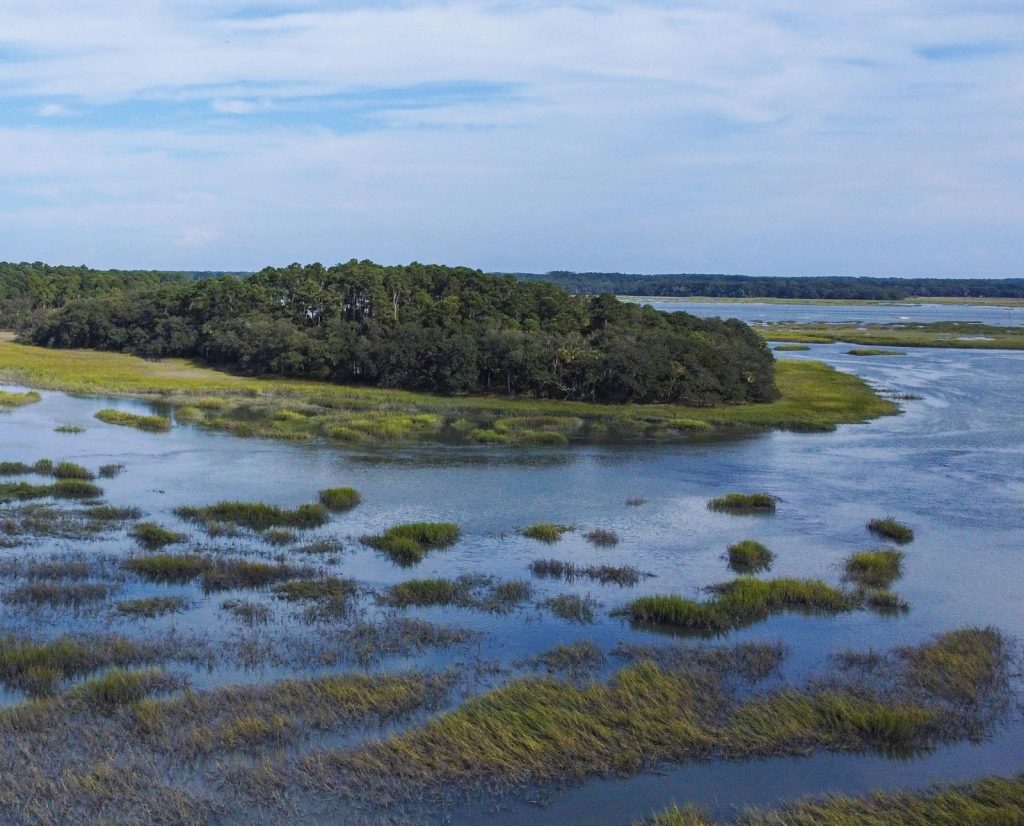
To understand marsh hens, you have to understand the marsh. Not the marsh from a roadside or a beachfront vacation balcony. A real marsh, the kind you discover only by poling into the back corners of a creek until you hear the bottom of the boat sing with the scraping of oysters against the hull. It’s where the spartina grass grows thicker than hay and the mud beneath you sinks. True marshes feel alive with tiny moving creatures everywhere.
WATCH: Lowcountry – A Project Upland Film
At low tide, the marsh reduces from a once wide river to something resembling a small creek. It’s a maze of oyster bars, narrow cuts, hidden potholes, and exposed mudbanks, adorned with spartina grass towering above. During a good high tide, the entire landscape transforms. Grassy bluffs are submerged and spartina resembles a summer lawn. Ponds form where dry ground was just hours before. Water spills deep into the marsh’s interior, and everything that lives there has to adapt. Shrimp, crabs, and minnows rush into the flooded grass being chased by redfish. And marsh hens—who prefer to run from danger—now can’t.
When the marsh floods enough to completely engulf the grass and fill the interior of the flats, marsh hens lose their escape routes. They can’t run across submerged ground, so you’ll find them in tall clumps of grass or walking on dead grass mats. With water pushing in from all sides, the safe spots disappear until they flush.
High tide is the moment hunters wait for.
Why High Tide Is Critical
Every kind of bird hunting has some natural condition that dictates success. When it comes to hunting marsh hens, there is no single factor more important than the tide. Not just any tide, either; the highest tides of the month. These tides usually coincide with full and new moons, tropical pressure changes, or strong onshore winds. These “king tides” or “flood tides” are what raise the water levels so the tall grass is submerged enough to push the marsh hens onto the edges of open water.
Without a high tide, you’re not hunting marsh hens. You’re joyriding through the marsh with a shotgun, hope and a dream. But with it? You’re in for one of the most unique wing-shooting experiences in North America.
The hunt typically happens in a narrow window, maybe an hour on either side of peak tide. Too low, and the birds are hiding where you can’t get to them. Too high and they head for the hills. But hit it just right, and you’ll find yourself pushing through flooded grass that’s now less than two feet high, and tucked into the grass like a woodcock in a thicket is a marsh hen. Watch for ripples or movement and listen for that sharp kek-kek or flutter of wings.
When they flush, marsh hens fly fast and low, wings beating with surprising strength for a creature that seems so reluctant to fly at all. Get on them quick because they can drop back down into the grass in a second.
How to Hunt Marsh Hens from a Skiff
Hunting marsh hens feels like a hybrid of wingshooting and poling for redfish. One hunter stands in the bow, shotgun ready, scanning the grass for movement. The other works the pole, guiding the boat across the marsh edge. Poling quietly is key because the marsh is an echo chamber. Even the sound of a poorly planted pole can send birds running deeper into the grass. To find more success, move slow, and read the grass. Look for nervous water, a quick flicker of movement, or an exposed top of a bird’s back as it tries to slip away.
When it comes to the flush, marsh hens rise quickly, often exploding from the grass just a few feet from the boat. They fly low, skimming the water. Shots happen fast, sometimes instinctively. A 20-gauge or light 12-gauge with No. 6 or No. 7 shot is perfect.
Given marsh hen habitat, recovering birds requires attention. A rail can fall into the grass and disappear instantly. Hunt ethically and mark the fall like your supper depends on it—because if you lose the bird, it does.
Lastly, don’t overstay the tide. When the tide turns, it turns quickly. A few minutes of inattention can strand your boat in the marsh for hours. Unless you want to meet every oyster around, start heading out before water levels begin to drop.
Hunting Seasons and Regulations
Most Southeastern states offer rail seasons, typically opening in September and running into late fall or early winter. Bag limits are generous, but that doesn’t mean hunters should be. These birds are resilient, but they also rely heavily on healthy marsh habitat, which continues to be threatened by coastal development and rising sea levels.
Legal considerations include:
- Valid hunting or small game licenses
- No hunting from a “vessel under power,” meaning the skiff can only be propelled by poling or paddling
- Respect for public vs. private marsh boundaries (onX is key)
- Adherence to wanton waste laws
- Some water bodies are restricted to only non-toxic shot
It’s critical to check your state’s exact dates and rules each year. Rail seasons rarely change dramatically, but the tide chart and access rules sometimes do. And because so much marsh exists in a patchwork of public and private ownership, do your homework before you launch.
The Cast-and-Blast Opportunity: Marsh Hens and Inshore Fishing
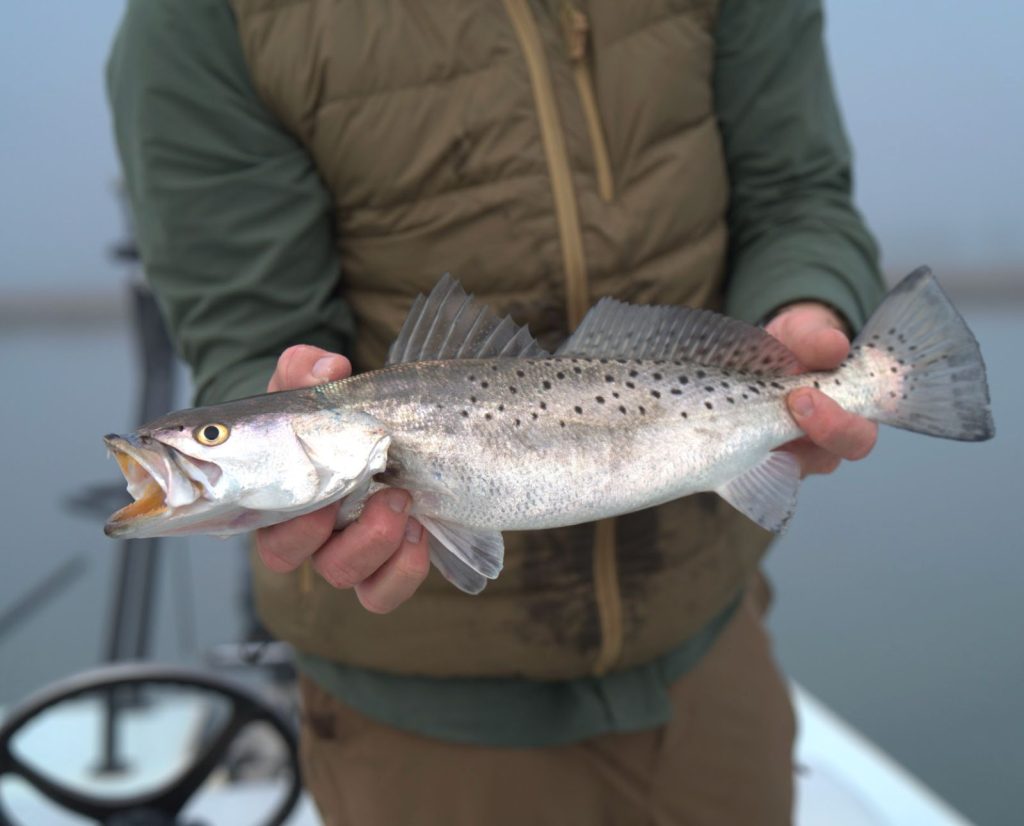
One of the hidden joys of marsh hen hunting is how beautifully it pairs with fall inshore fishing. A high, cool weather flood tide isn’t just good for marsh hens. It’s also prime time for redfish and speckled trout, and it’s not uncommon to find flounder laying up on the edges of creeks and marshes during the flood tides. Few outdoor experiences combine the thrill of a flush with the finesse of a well-placed cast quite like a marsh hen cast-and-blast.
As the grass floods, redfish push deep into the flats, rooting for fiddler crabs. Seeing a copper tail waving above the grass is one of the purest thrills in fly fishing. Once you’ve bagged a few marsh hens, grab a rod and wander the same flooded flats on foot or from the skiff.
Speckled trout school up along current seams and flooded creek mouths, especially when the tide is pushing in or out hard. Soft plastics, topwater plugs, or shrimp under a popping cork can all be produced before or after a hunt.
Cleaning and Cooking Marsh Hens
Marsh hens are underrated table fare. Their diet gives the meat a surprisingly mild, earthy flavor, landing somewhere between dark chicken and a tender, lean duck breast.
Most hunters prefer to breast out the hens rather than pluck them. Their skin is thin and can be tough, and plucking salty, muddy feathers is hardly worth the effort. Similarly, an overnight brine not only works wonders, but is a necessity. I use one quart of water, ¼ cup salt, 1 tablespoon of dijon mustard, ½ cup of red wine, and sometimes a splash of vinegar, a bay leaf, or peppercorns.
When it comes to cooking marsh hens, the best way is to pan fry them with flour and salt. Prepare an egg wash, flour, and a mixture of Cajun fish fry and potato flakes. Dip the breasts in the flour, then the egg wash, then coat them with the potato flake mix. Fry until golden brown, season with a Cajun rub, and pair them with a sauce of your choice.
However, if you want to be really southern, serve marsh hens in a gumbo or with a side of dirty rice. Another classic Lowcountry marsh hen recipe calls for frying the birds and then serving alongside simmered onions, celery, and diced tomatoes. Add local rice, and you have a dish that sings of the Southern Sea Islands.
Marsh Hen Hunting as a Southern Tradition
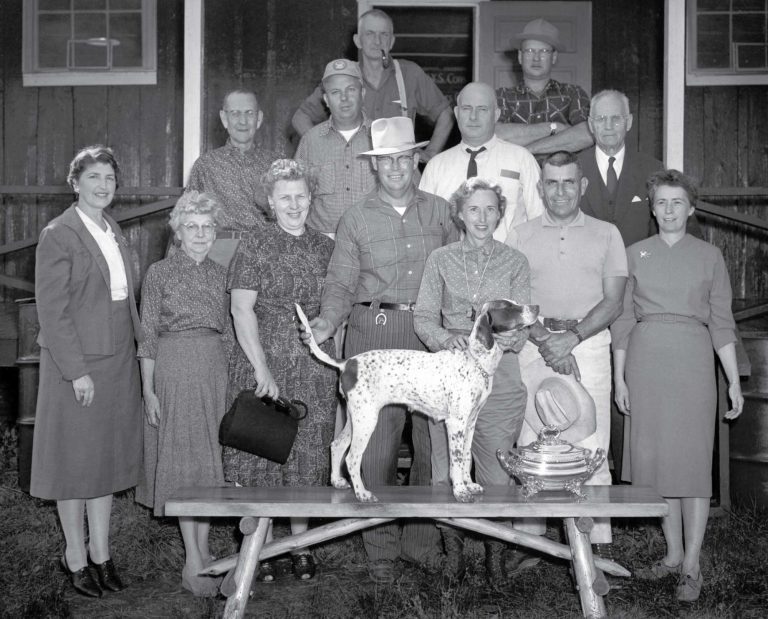
Marsh hen hunting is old. It’s older than modern shotguns, older than fancy skiffs, older than most forms of modern recreation. Coastal families along North Carolina, South Carolina, Georgia, and Florida have been hunting these birds for centuries, sometimes for sport, sometimes for food, often for both.
Old timers speak about marsh hens the way Midwesterners talk about pheasants or New Englanders talk about ruffed grouse. It’s a bird that shaped how people lived, cooked, traveled, and viewed the marsh itself. Everyone has a story they heard from their grandpa about these birds.
Traditionally, hunters used wooden skiffs and canoes, poling or paddling through the marsh while someone at the bow stood ready with an old single shot. They didn’t do much scouting. They didn’t bring along any fancy gear. This hunting was wholly dependent on the tides and the ability to quietly slide a boat through grass so thick it could scrape the paint off the hull.
Even today, the tradition remains refreshingly simple. You just need a boat, a push pole, a shotgun, and an appreciation for the marsh. However, we now have the added benefits of modern shotguns, specialized shells, technical poling skiffs, and an elevated platform to stand on.
Supporting Marsh Hen and Lowcountry Conservation
Marsh hens don’t just represent a hunting tradition. They’re an indicator species and signify the health of coastal marshes. When spartina grass dies back, creeks fill with sediment, and tidal flow gets blocked, marsh hen numbers decline. Like many other game birds, habitat loss is the biggest threat rails face.
Hunters can support marsh hen conservation by:
- Supporting coastal habitat restoration projects
- Respecting bag limits and seasons
- Participating in state marsh bird surveys
- Advocating for clean water and marsh protection policies
- Practicing the “better than you found it” code. Pack out your trash and any that you find
Healthy marshes benefit not only marsh hens, but redfish, trout, shrimp, oysters, shorebirds, and every other living thing in the saltmarsh food web—us included.
A Hunt Rooted in Tide and Tradition
Marsh hen hunting is unlike any other form of wingshooting. It’s totally dependent on the moon phase and tides, restricted to shallow drafting boats, and acquainted with a timeless landscape. It’s a tradition handed down quietly along the coast, practiced by those willing to wake early, slide a skiff into the marsh, and watch and wait as the tide rises around them.
The best marsh hen hunts aren’t just about the birds. They’re about the smell of the marsh at dawn, the chatter of marsh hens laughing in the spartina, redfish crashing on shrimp and baitfish, and the simple rhythms of the tide. And, if you’re lucky, it’s about finishing a morning of wingshooting with a fly rod in your hand and sight casting to belly crawling fish, which can be taken as an invitation from the marsh itself to stay a little longer.
Marsh hens offer us a way to honor tradition, pursue wild food in wild places, and stay connected to one of the most important ecosystems in the Southeast. We owe the marsh our respect. If reciprocated, the hens that call it home will give you a hunt you won’t forget.


Great read Patrick
I am 70 years old and live on Long Island NY and would love to get out somewhere different I try to keep it interesting . Is there a guide you can recommend ?
Thank you
Paul Puma
good article but rails do migrate, sometimes extensively. There are a few scientific journals that easy to google on the subject