


Extending Hunting Season: Practical Ways to Stay Afield Longer
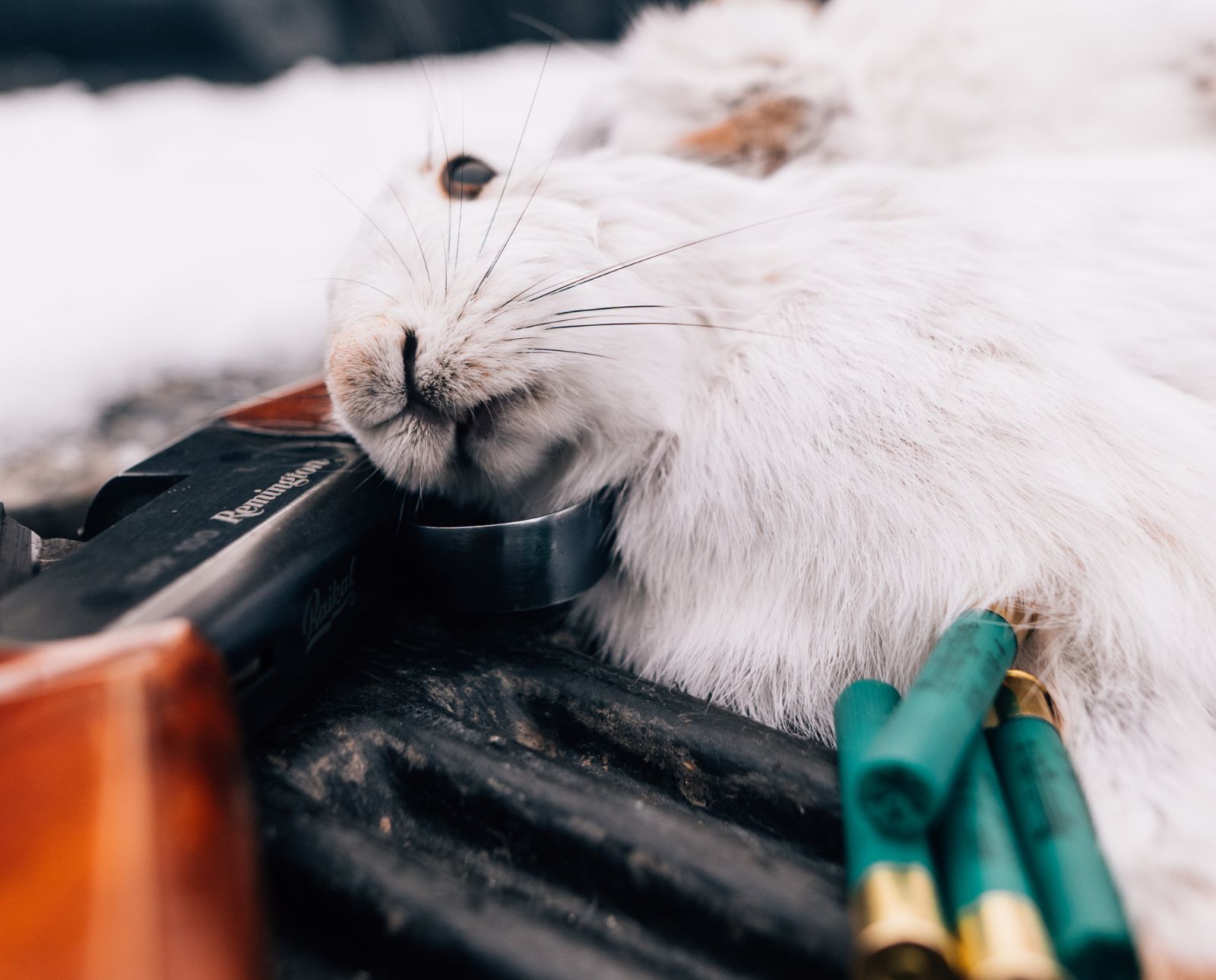
Spend more days afield by discovering overlooked small game seasons close to home and beyond
I’m a lot like you—I want to extend hunting season for as long as possible. Some years, it feels like the season dwindles to an end faster than others, and I always accepted this as inevitable. That is, until a couple of years ago when I noticed a few folks on social media no more than a few hours from where I live, who were still out hunting. It was bordering on springtime, and they were seemingly having a great time out there.
Needless to say, I had to get in on the action, if for no other reason than a basic fear of missing out (don’t worry, it was much more than that). However, I wasn’t all that sure of where to start or how much it might cost; two things that often can seem daunting when they’re unknown.
What I discovered were ways to extend hunting season for much longer than I would have ever anticipated, often much closer to home than I realized. While it might not include upland hunting in its truest form, it’s still a great reason to keep the twenty gauge polished and ready for action instead of becoming a gun cabinet recluse.
Here’s how you can extend your hunting season and stay afield longer.
Late Season Hunting Opportunities: Long For Lagomorphs
Rabbits and hares offer an exceptional opportunity to stay afield well into the winter months and provide some darn good table fare. In fact, if we’re making a case for the cottontail, it ought to be known that there are plenty of states and provinces where the species season is open more months of the year than it’s closed. Jackrabbits, in some cases, aren’t regulated at all. And if you’re sitting there thinking that they’re inedible, think again. Even the jackrabbit can be turned into an exquisite meal at the hands of anyone willing to do a little bit of research.
Snowshoe hares also tend to have much longer seasons than most of our beloved upland species, even from region to region. Where I live, the season ends at the end of February. Yet if I drive two hours north, the season remains open for the entirety of March. I’ll take an extra thirty one days of potential hunting opportunity anywhere I can get it.
Read: A Complete Guide to Late Season Snowshoe Hare Hunting
What I truly love about chasing lagos around is that with very few exceptions, they offer liberal bag limits that often take time to fill, which means more time spent afield during seasons when nothing else is open. They’re also a really good reason to keep those smaller shotguns well oiled and ready to go, especially once the snow flies.
Most of these species offer relatively high bag limits as well, which comes as a welcome to anyone who chooses to chase after them. To top this off, if you’ve never had the opportunity to take a passing shot on a fleeing cottontail or a flushed jackrabbit, then you’re missing out on the chance to hone your wingshooting while waiting for the next bird season. These critters are lightning fast and require precision when leading them, which only sharpens your shooting skills.
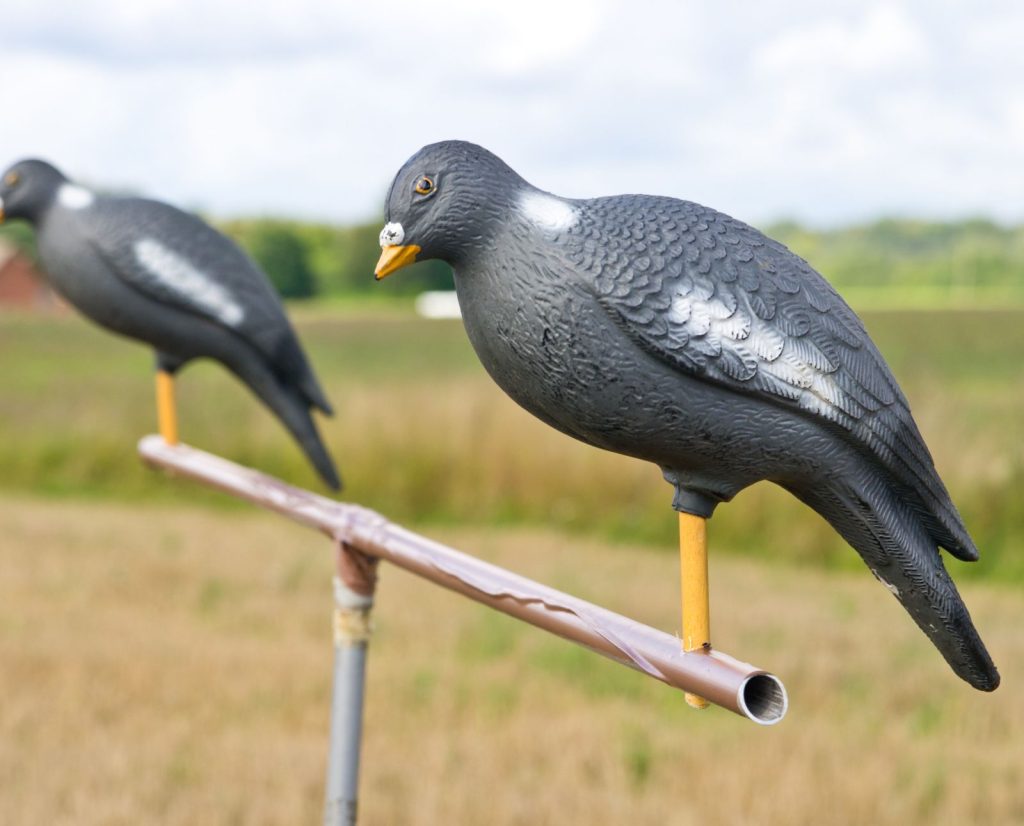
Pigeon Hunting: A Year-Round Endeavor
Until very recently, I had no intentions of taking part in pigeon hunting. I’d fallen into the “you can’t eat them” camp, but oh, how wrong I was. I’d also been under the impression that a flock of corn fed pigeons wouldn’t be challenging, but again, it couldn’t have been further from the truth.
For the most part, pigeons are unregulated and can be hunted year round. What I like about them is that there are several different ways to hunt them. My personal favorite method is over a small spread of decoys in known feeding zones, but this isn’t the only method. In some places, pigeons can be jump shot, especially in agricultural areas where exposed sand and dirt bring the birds in to peck and feed on dropped grain during the colder months.
What I suspect others in the know appreciate is just how much a good pigeon hunt can not only work your shooting skills, but also hone a young dog’s retrieving skills. A pigeon hunt often involves large numbers of birds hitting the ground (so long as you’re shooting well). That translates into more opportunities for a retriever to get some experience in an environment where the stakes aren’t as high as, say, out on the prairie.
Finally, if you’ve never tried teriyaki pigeon schnitzel, you genuinely wouldn’t believe just how good an adult bird can taste. Can old pigeons taste terrible if not prepared right? Absolutely. But with some careful preparation and a basic understanding of red meat, they’re worth every shell spent.
Start Hunting Earlier: Jump Shooting Doves
Dove season in my area starts in August. While the weather can be hellishly warm, early mornings and evenings tend not to be, which is great because this is when the vast majority of mourning doves are in the area. I don’t have a farm with sunflower fields to hunt them, but what I have found is that there are places where doves congregate after feeding. These places provide a fantastic opportunity to do some early season jump shooting.
While pigeons aren’t a regulated species around my home hunting grounds, doves are. However, with their season opening in August, that adds an entire extra month of hunting opportunities to my overall repertoire, not to mention a terribly wonderful reminder of how rusty my pass shooting is. A great thing about doves is that they often like to hang around the same places that pigeons do. The prospecting hunter, if not jump shooting them, will find that doves respond very well to basic decoying tactics as well.
One more point to make about jump shooting doves: sometimes it pays to scout an area a day before you plan to hunt. Doves are creatures of deeply rooted habits and will use the same flight patterns to arrive or leave any area where they’ve been loafing or feeding. Once you see where they’ve been, it’s very likely that they’ll be right back in there the next day, at the same exact time as the day prior.
Explore Nearby States and Provinces With Different Regulations
Look into when seasons open and close in neighboring states or provinces. Like I mentioned earlier, some species are regulated tightly in one place, yet left fairly unregulated in others. Any hunter privy to this information stands a much better chance at setting up a much longer hunting season than others.
Where I live, species like eastern gray squirrels, cottontail rabbits, and snowshoe hares are regulated, yet if I took a short flight to Manitoba, none of these species are regulated and can be hunted all year long. Even the massive white-tailed jackrabbit is open from January 1 to December 31, with no bag limit to be spoken of. Wild, right? Well, this isn’t the only place where opportunities such as these abound.
Read: Late Season Squirrels – Winter Food Sources, Hunting Tactics, and Weather Impacts
All of this is to say that doing your research about the potential hunting seasons that blow past your own home state or province is worth it. States can be the exact same way, but as I discovered a few years ago, sometimes all it takes is an hour-long drive to another hunting unit.
A few years ago, I was reading through that years’ regulations. I discovered that the snowshoe hare season remained open for a full thirty one days longer than where I normally hunt them. A hunter can accomplish a lot when they have an extra month of hunting opportunities, even if it means an out-of-state license or a border crossing.
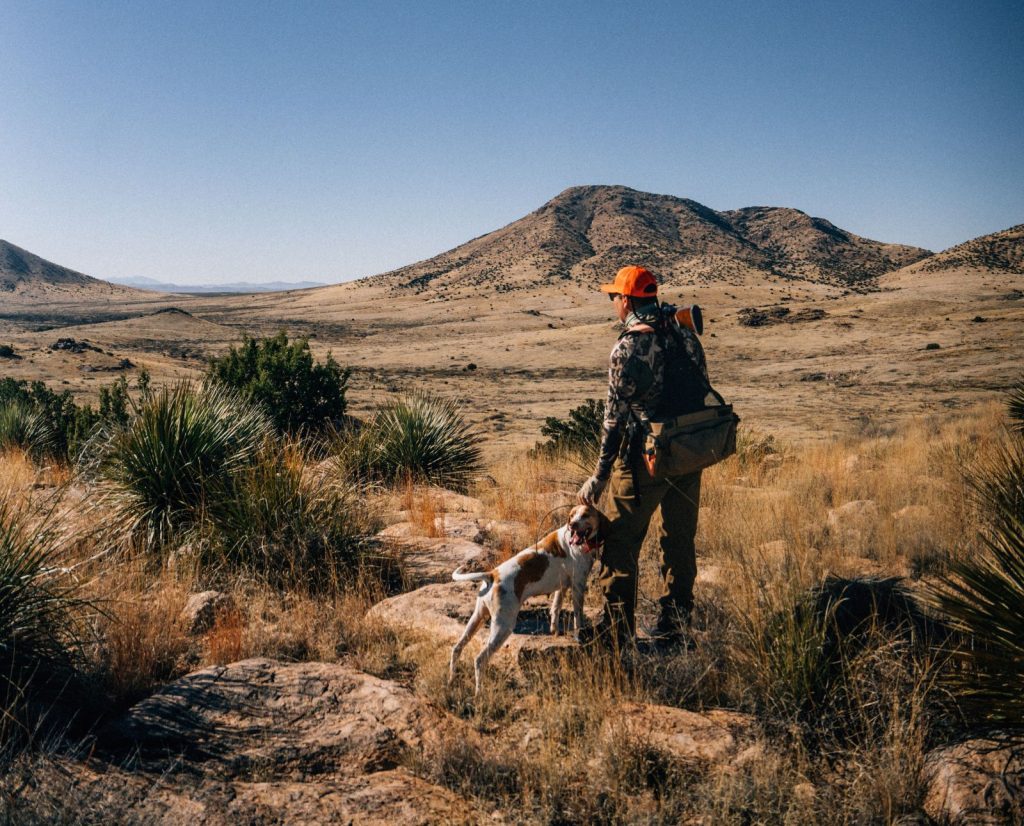
Redefine “Vacation” to Extend Your Hunting Season
Sometimes the best way to extend your hunting season is to take a vacation to a province or state that offers the opportunity to hunt species that don’t exist anywhere near you. Quail hunters know this well, and are willing to travel great distances to hunt new and exciting landscapes and species that aren’t native to their neck of the woods. This is a wonderful way to explore new places all in the name of upland hunting. For those Northwoods ruffed grouse aficionados who have never sojourned west for sharp-tailed grouse, ring-necked pheasant, or the many species of quail that call the prairies home, redefining the how, where, and when of a vacation can and oftentimes will offer several extra weeks of potentially life-changing hunting.
The same can be said for waterfowl. It’s no secret that the most hardcore waterfowl hunters start their seasons during the launch of the annual autumn migration. These same waterfowlers will often follow it south into states like Kansas and Oklahoma, where massive flocks of migratory birds stack together in unfathomable numbers. When everything is dusted in the winters’ first layer of snow, those folks down south are usually still out having the time of their life.
If I drove ten hours north during the first week of September, I would enter what is called the Northern District. This district allows waterfowl hunting approximately two and a half weeks earlier than where I live. I can personally attest that in the years that I’ve traveled north, the waterfowl hunting was something that I still dream about. As a lovely bonus, the ruffed grouse season opens much earlier in that district, too.
It’s almost too good to pass up.

In Oregon, we have hunting preserves that run until March 31st. Great for training dogs.
And, collared doves we shoot year round, as our Fish and Game dept. describes them as invasive species…
Curious what upland hunting in its truest form looks like?