

How to Use Trail Cameras for Rabbit and Snowshoe Hare Hunting
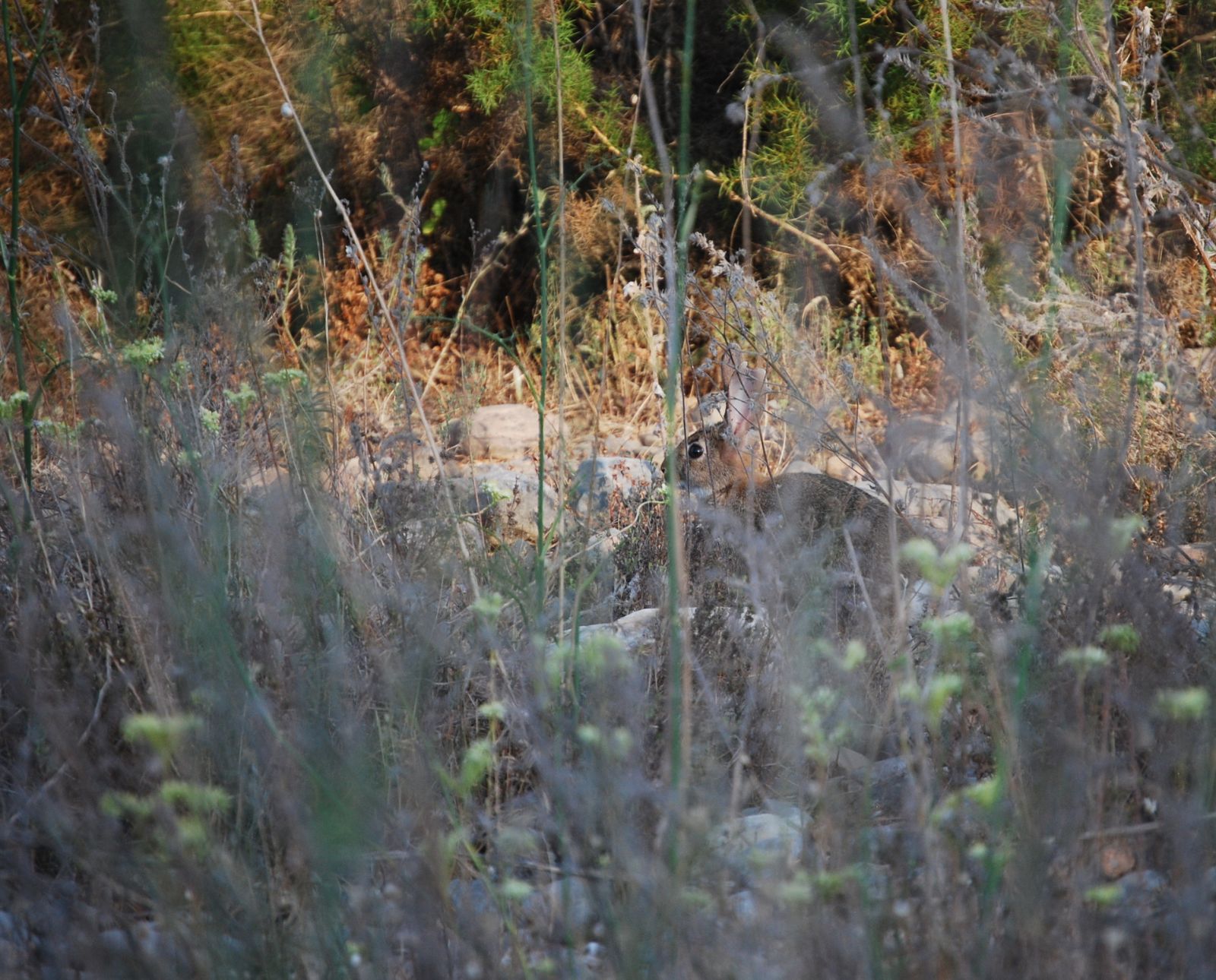
Small game hunters can use trail cameras to scout hunting areas for cottontail rabbits and snowshoe hares
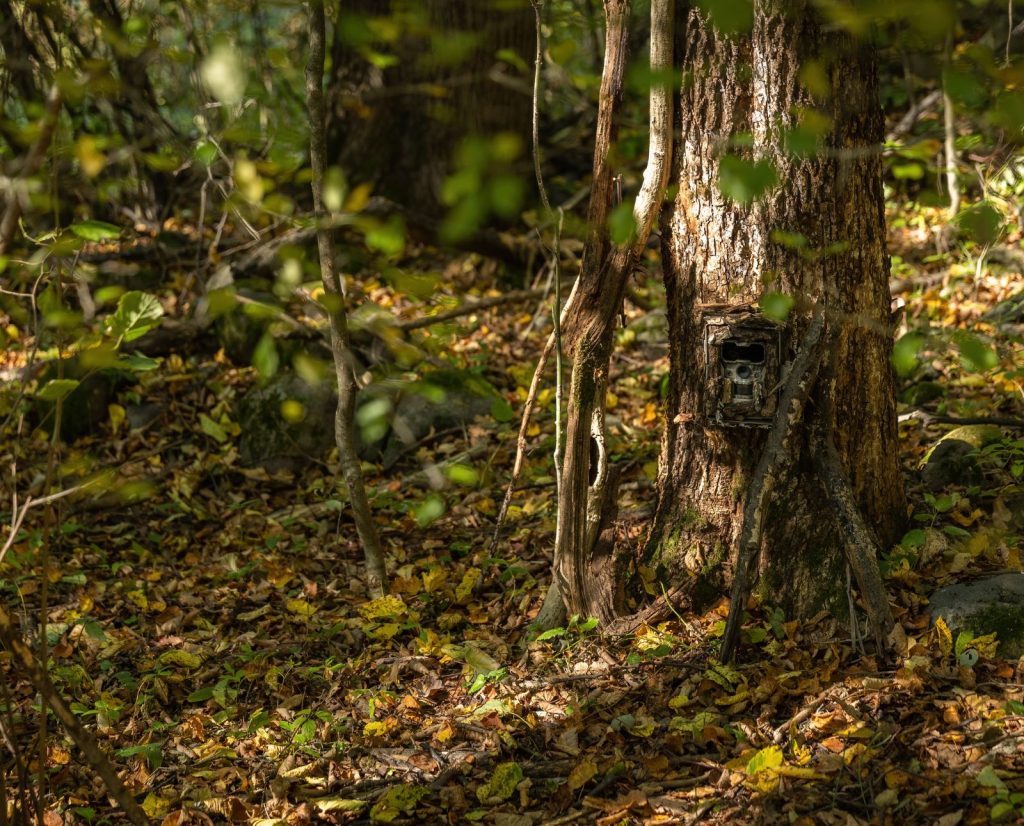
None of us can be everywhere at once, no matter how much we wish we could. Big game hunters know this fact all too well. However, over the years, they have adapted to combat this problem with the invention of trail cameras, also called game cameras, trail cams, or game cams. Trail cameras are motion-activated cameras that allow hunters to monitor wildlife movement and behavior without being physically present. These devices have all but eliminated the need for excessive scouting. They have been utilized for all mannerisms of big game hunting for decades now, yet the small game hunting community has been anything but quick to jump on this wagon for reasons that still elude me.
Maybe it feels like overkill, or maybe it’s because the thought of using trail cams to scout for rabbits and snowshoe hares has never crossed your mind. But the use of trail cameras to scout small game hunting areas can greatly improve your ability to narrow down where these animals frequent and when. This might not seem all that important until you hunt a place where you know these critters are, yet never seem to find one.
Using trail cams is a great means to approach a brand new area that you think might be worth hunting but want to accomplish some fact-finding beforehand. Most hunters who use trail cameras for big game have at least one or two extra cameras that otherwise collect dust—usually older, cheaper models—and are available to be deployed into the field. So why not use trail cams for scouting rabbits and hares?
Why Use Trail Cameras for Rabbit and Snowshoe Hare Hunting
Trail cameras can provide you information that you would otherwise have to guess at. This can be especially true in places where the animal sign would indicate that many different hares or cottontails are living in one specific area. For example, tracks in the snow can trick hunters in this way.
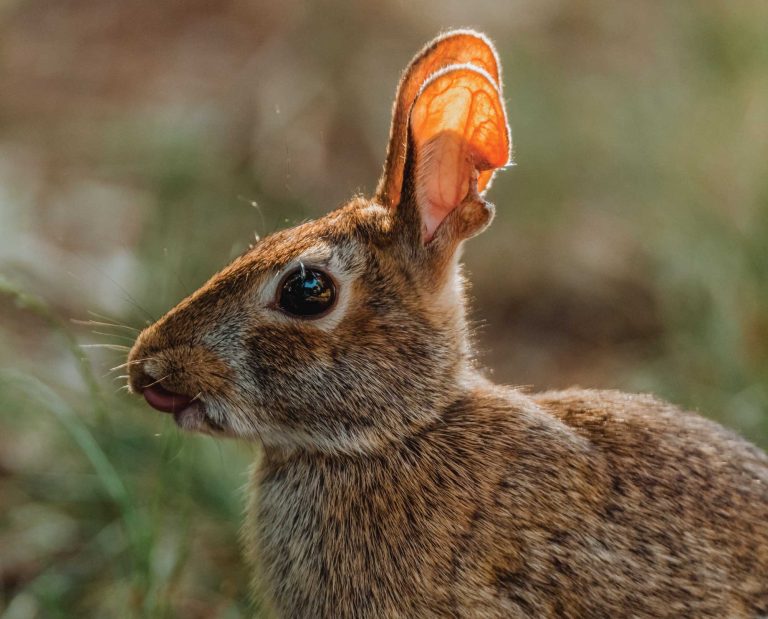
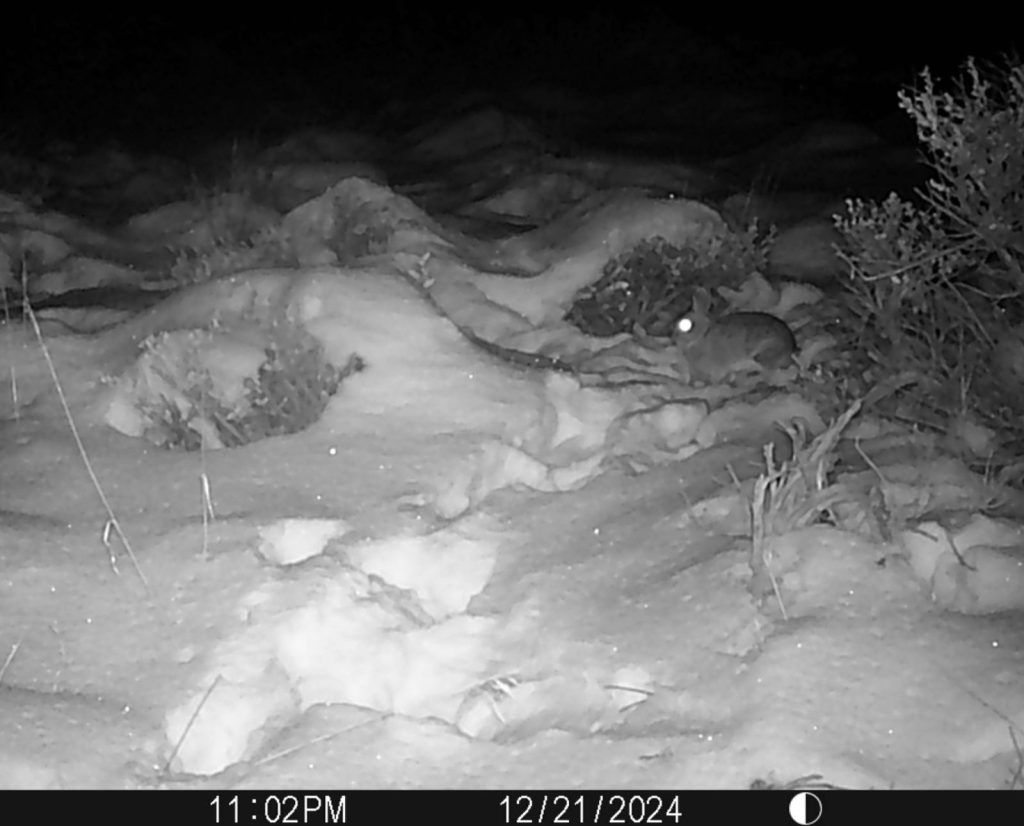
Sometimes, the amount of tracks present in a particular spot make it appear as though you’ve found the largest congregation of eastern cottontails around. When I can’t tell exactly how many rabbits are using a particular area, the cameras will remind me not to be fooled by a surplus of tracks. More often, the cameras show only one or two animals that come back and forth so frequently, the amount of sign makes it look like a dozen rabbits live there. In short, trail cameras have saved me from being a fool on more than one occasion.
Trail cameras can help indicate specific locations of interest later on in the year when the small game season opens. This is helpful to those of us who don’t tote a pack of beagles around. With the help of cameras, I can set waypoints on a GPS with all the places of interest where I know there are hares or cottontails using them regularly based on the photos from the game cameras. Furthermore, because those photos have date and time stamps, I can also look at possible areas nearby where they may be coming from based on what time of the day—or more commonly, night—they’re showing up.
When and Where to Use Trail Cameras for Small Game Scouting
Trail cameras really shine when the goal is to determine just how many snowshoe hares or cottontail rabbits are using any particular area prior to hunting it. For example, if I locate an area that seems like it should be prime hare country, but I’ve never hunted it before, it’s likely that this scouting event will be taking place long before the actual hunting season arrives. Snowshoe hares, like big game animals, are creatures of habit. If a few individuals use an area enough, you can often find small trails to set a camera up. I’m not looking for any physical sign other than that.
Game Trails
Cover is going to be the determining factor for where I decide to put my cameras. Snowshoes love to live in the nastiest places to get into, such as cedar swamps and willow thickets adjacent to rivers and streams. The likelihood of being able to place a camera at shoulder level is minimal. Instead, most of my cameras are placed about eight inches off of the ground directly looking down one of these trails or paths of least resistance.
Brush Piles
Cottontails are another story entirely. They might resemble hares physically, but they act completely different, preferring to burrow under cover such as brush piles for safety. Many of the places that I hunt for cottontail rabbits are farms where the landowner has expanded their fields by removing large portions of trees and brush. These piles become sanctuaries for the cottontails that I’m there to hunt, and so I’ll place one of two cameras around brush pile entrances.
Read: What Do Cottontail Rabbits Eat? Important Plants for Food and Cover
This technique has proven to be a winning recipe. A couple of seasons ago, I suspected that two cottontails were using a freshly-made, minivan-sized brush pile. After setting up a camera and leaving it for a week, it revealed that six were squeezing into it every single day.
Junk Piles
Junk piles can also be a treasure trove of cottontail habitat, especially if they include old vehicles and farm machinery. These areas on rural lands usually become havens for briars and thorn-riddled canes, which cottontail rabbits love both for food as well as protection. If you can set a camera along the edges of this kind of cover, it’s more than likely that you will get a very good indication of how many lagomorphs are using it.
This kind of intel is good for the shotgunner who wants to do a rabbit drive. However, it excels for patient, solo small game hunters with sharpshooting .22s who set themselves up with a clear view of where those rabbits have been coming out from, a technique known as stand hunting.
When Not to Use Trail Cameras
As a general rule, I don’t use cameras once the snow starts to fly and the tracks of these animals relay their presence. Once winter arrives in my region, the risk of getting a snowfall so significant that retrieving the trail cameras becomes impossible is a serious risk. While I don’t use the highest quality trail cameras for these endeavours, there’s still no reason to sacrifice a few hundred dollars to the winter snow.
Similarly, and this is fairly specific to scouting for snowshoe hares, I will remove a camera from any area where I am consistently seeing signs of black bears, or if one of the cameras becomes of particular interest to one. Black bears seem to get slightly obsessed with trail cameras. Once they find one, they will more than likely end up destroying it.
Last but certainly not least, if you’re scouting likely hare spots on public land, assess the risk of another person finding your camera and taking it. If any of the locations that you plan on leaving a trail camera are fairly close to a trail, I’d recommend being as sneaky as humanly possible about setting it up and keeping the camera well hidden. Otherwise, simply don’t take the risk of having it disappear.
Setting Trail Cameras for Rabbits and Snowshoe Hares
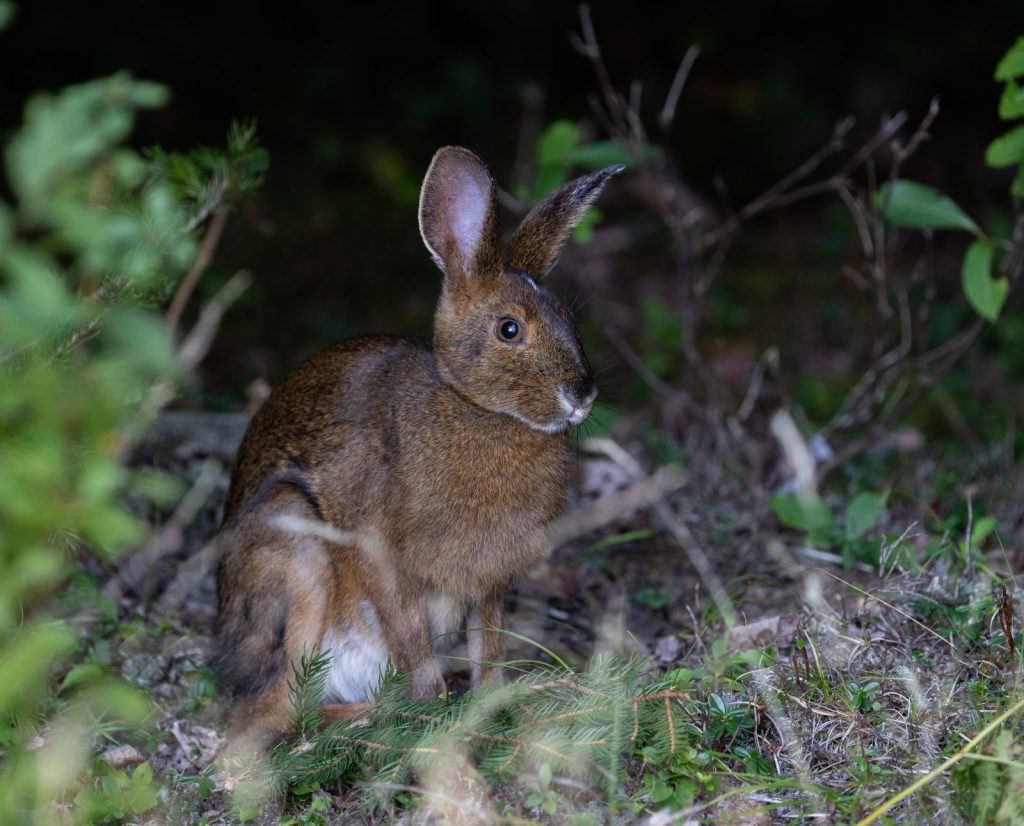
Best practices for setting trail cameras for rabbits and hares include:
- Placing trail cameras at rabbit height, about 8 inches off the ground
- Pointing cameras along habitat edges, game trails, or entrances to brush piles
- Securing cameras to objects to firm, stable supports like living trees or fenceposts
The odds are slim that you will find an easy place to put a camera up in the traditional sense that there will be a tree that you can simply strap a camera onto and leave it. More likely you will have to get a little creative with how you go about deploying one, especially when it comes to snowshoe hare country. Zip ties, micro bungee cords, and pruning shears are all tools that I bring with me into places just in case I need to manipulate the surroundings. Regardless of where you set your cameras, make sure the camera has a fresh set of batteries and a clean SD card in it. Lastly, don’t forget to turn the camera on before you leave.
One thing that is consistent in the places that snowshoe hares live is saplings. Using a bungee cord, I can rig a bunch of saplings together enough to strap a camera around them. Some occasions will call for cutting a larger branch and using it as a post by digging it into the earth a bit. Other times, I get lucky and there’s a big enough cedar to rig a camera onto without too much difficulty.
Cottontail habitat sometimes offers a little bit more leniency when it comes to setting a camera. Fence posts, tree trunks around edge habitat, and even the ruins of an old car (I’ve even strapped a camera to the handle of a decaying ’73 Dodge Dart) can offer exactly the kind of angles that the camera needs to be effective. Remember that you want the angle to be low to the ground and on the same level as the animal. Many of the rabbits’ and hares’ natural predators attack from above. An observation that I’ve made is that if the blinking light from a camera is above them, the animal tends to bolt.
Lastly, when placing a camera, be sure to take stock of the support. Whether it’s a tree, post, fender, baler, or anything else, check that it’s firm, stable, and not going to get knocked over by high winds, livestock, or anything else. Never use the trunk of a dead tree or anything that could come down and destroy your camera.
Trail cameras aren’t just tools for chasing big game. They’re practical, affordable scouting aids that can make a real difference for small game hunters willing to think outside the box a little. Whether you’re trying to confirm how many rabbits are using a brush pile, pinpoint a snowshoe hare’s favorite travel route, or simply avoid wasting time in unproductive cover, a well-placed camera can provide answers you’d otherwise never see. Used thoughtfully and at the right time of year, trail cameras can help turn educated guesses into informed decisions, making every hunt more efficient and, ultimately, more successful.