

The Hunting Spaniels of New Zealand
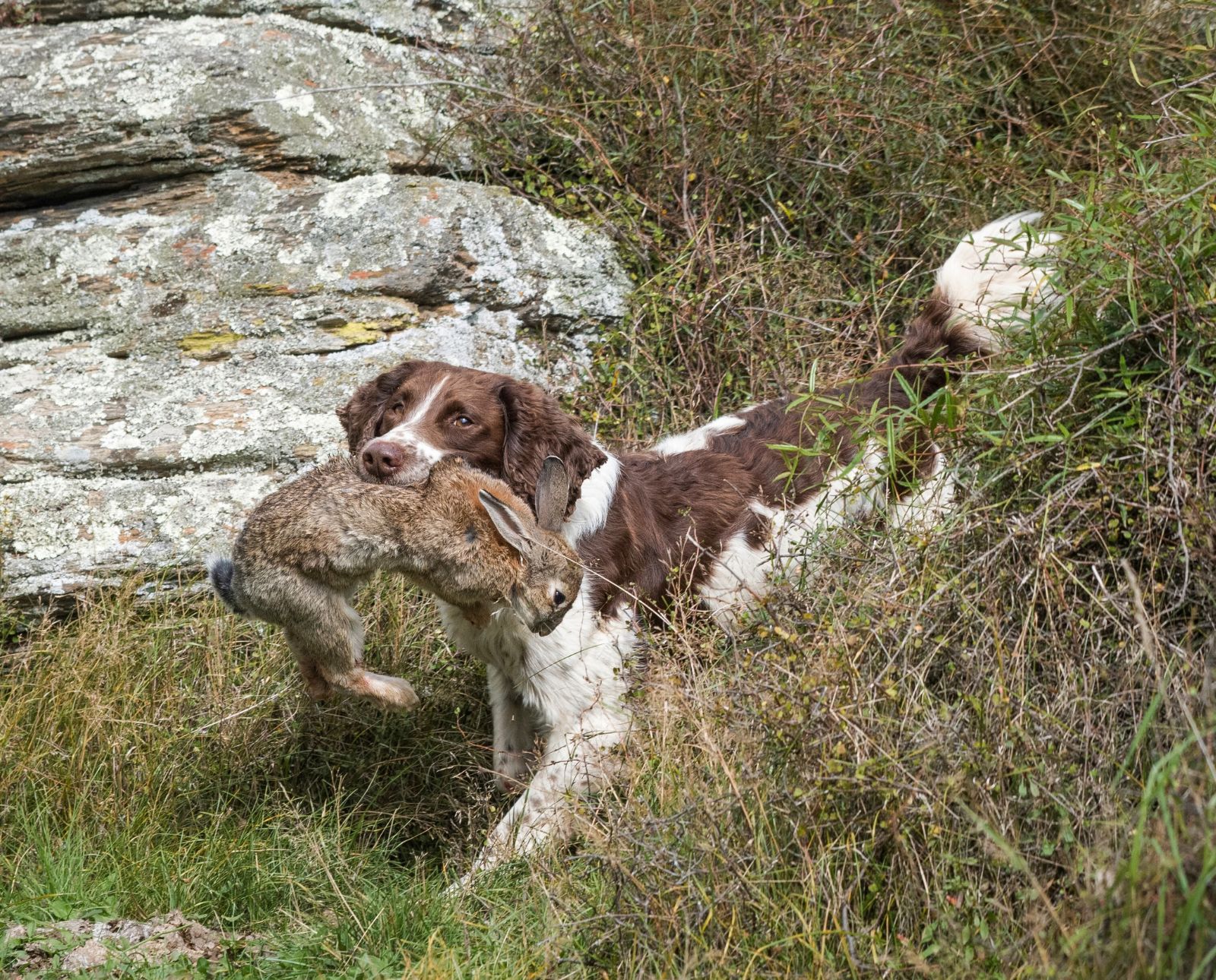
In New Zealand, hunting spaniels like English Cockers and Springer Spaniels are used for hunting wild game and field trials
This article was originally published in the fall 2022 volume of Hunting Dog Confidential.
Far, far away, at the bottom of the globe in the Pacific Ocean, sits the country of New Zealand, a place where the hunting and gathering of wild food is a lifestyle for many of its people. As someone who hunts with spaniels in New Zealand, I am one of those people.
My journey into the world of hunting spaniels began about 20 years ago when I shot a duck, one of my first. To my amazement, the duck fell from the sky, but what was not so amazing is that I could not find it. After a long, unsuccessful search, I reached the conclusion that it was lost and not coming home for dinner. More importantly, I reached the conclusion that I needed a dog.
I got an English Cocker Spaniel pup called Jasper. However, I hadn’t done my research before selecting Jasper; he was from show lines and though I really tried hard, he never took to hunting and retrieving with any sort of enthusiasm.
After five or so years of frustration, I joined the South Island Working Spaniel Club and discovered what a proper hunting spaniel was. I attended trials and saw for myself what a well-bred and trained spaniel was capable of doing in the field. I simply had to have one—and her name was Billie Jo, an English Springer Spaniel pup whose sire and dam were imported from the famous Rytex kennels in England. Before long, I was passionate about training her to hunt and trial.
Watch: A Big Find – Hunting and Field Trial Spaniels
Even though Billie Jo was from great working lines, I can’t say that it all came easily for us. We initially struggled with the concept of hunting within range and being steady to flush and shot. We spent time with experienced trainers and trialists and eventually, when she was three years old, Billie Jo and I won a Spaniel Natural Game Championship Trial. It was our only win, but Billie Jo became my best hunting buddy. We hunted rabbits every week and trialed whenever we could over the next 13 years. We had so many memorable hunts together and I am fortunate to have videoed many of them in order to preserve the memories and share them with others via YouTube.
As anyone who hunts and trials with dogs knows, the journey doesn’t end there. I went on to become a judge for Spaniel Natural Game Trials and I continue to train, hunt, and trial my current dogs, Archie and Owen. They are pocket-sized hunting demons with the character to match; they make me laugh in the field and at home with their antics. Both of them give me endless opportunities to learn to become a better trainer and handler.
Archie retired from trialing this year having never won a Championship, but he became a qualified dog with a Novice win and placements in Championship Trials. He is my main hunting spaniel. Owen is slowly making his way into the world of trials, having been eliminated in his first two Novice Trials this year, but next year we hope to do better with another nine months of training.
Trials remind me of everything that is required to have a top hunting dog in the field and keep me from getting lazy in training my dogs. Better still, I get to hang out with other people who are equally as passionate about training, trialing, and hunting with spaniels in New Zealand.
Hunting with Spaniels in New Zealand
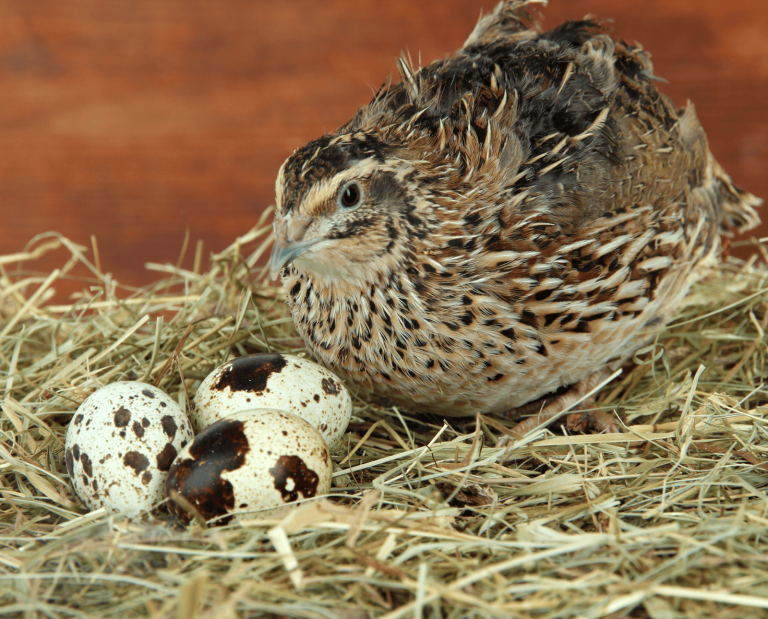
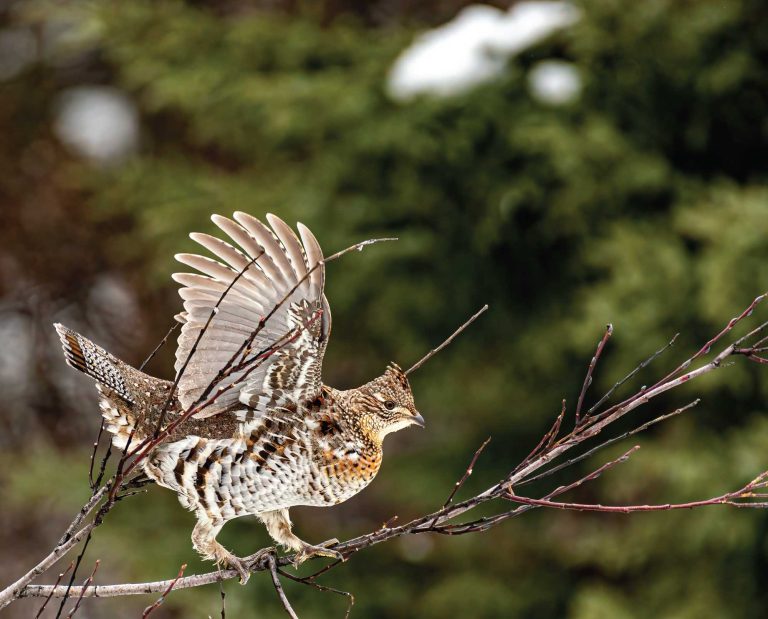
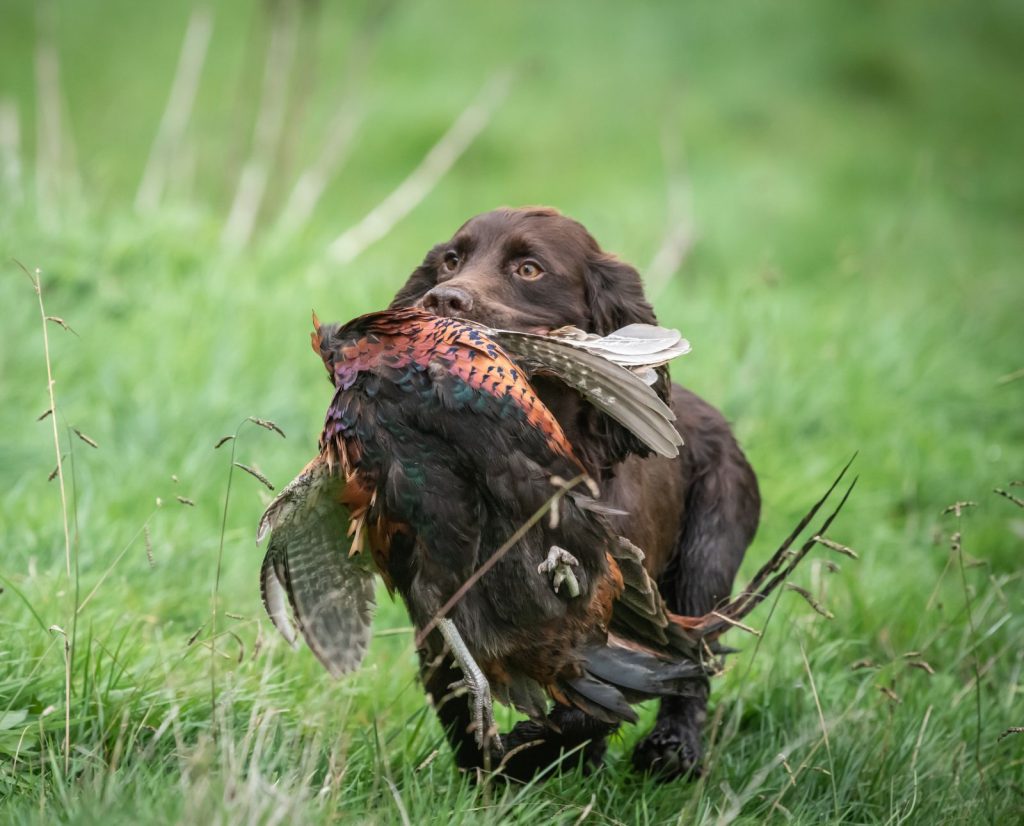
Hunting spaniels in New Zealand are most often used on rabbits, upland game birds, and waterfowl across a wide range of terrain. The country is graced with many opportunities for those who like to hunt with flushing breeds of dogs. There are California quail, chukka (chukar), and pheasant—all non-native introduced upland game birds—and waterfowl including mallards, grey, paradise, and Australasian shoveler ducks.
And then there is the humble rabbit, Oryctolagus cuniculus. It was introduced into New Zealand for food and sport by European settlers in the early 19th century and soon reached plague proportions. It is still causing a great deal of damage to New Zealand’s natural environment today. On the positive side, this means that we can hunt rabbits year-round, offering superb action with spaniels and a shotgun. The rabbit is very nice to eat—rabbit back steaks, salted and peppered and fried in butter make fried chicken taste second rate.
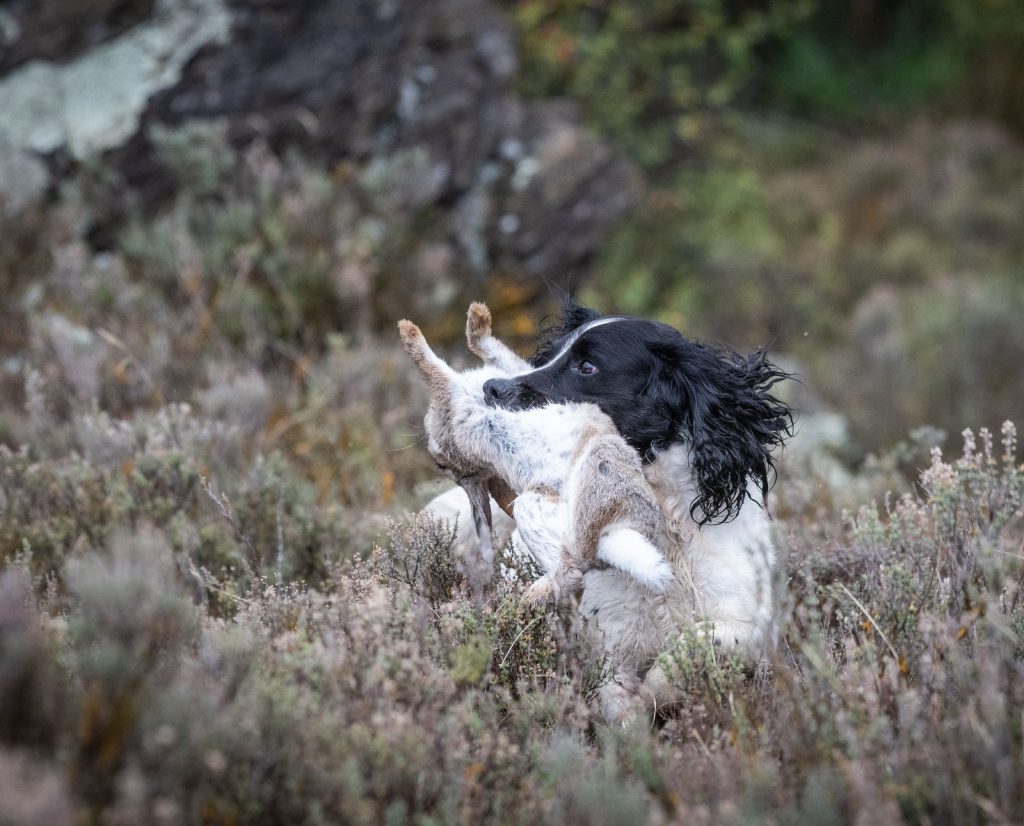
It is a joy to watch a spaniel cover ground with style and pace, enter into cover without hesitation, flush out a rabbit, remain steady to the flush and the shot, and then get sent for the retrieve. Sometimes the retrieves can be very difficult if the rabbit has been “legged” and runs over the brow of the hill, requiring the spaniel to track the wounded rabbit while negotiating a multitude of fresh scent from other rabbits. There is a wonderful sense of pride to see your spaniel come running back over the hill with the wounded rabbit in its mouth.
Hunting Rabbits with Working Spaniels
Well-bred working Cocker Spaniels or Springer Spaniels seem to inherently love hunting rabbits. However, when hunting rabbits with spaniels, the spaniel needs to learn to hunt rabbits for the hunter with the purpose of flushing the rabbit within gun range. How this is done depends on the nature of the cover and the wind direction.
Preferably the spaniel is steady to flush, meaning they stop in their tracks as soon as the game animal flushes out. Since the rabbit is ground game, the last thing you want is your spaniel chasing the rabbit or running into view as the rabbit is shot. Once the rabbit is safely shot, the spaniel is then sent for the retrieve, delivering the rabbit to hand.
Read: Bring on the Bassets: Rabbit Hunting with the Barony Bassets in Scotland
Hunting with working spaniels in New Zealand has grown steadily over the past 20 years, with many quality dogs imported into the country from the United Kingdom. The level of excellence continues to rise, both in the performance of the dogs (breeding) and quality of training that is required for the dogs to hunt in range, be steady to flush and shot, and to make the retrieve.
Spaniel Natural Game Field Trials in New Zealand
In New Zealand, we have two working spaniel clubs—one on the North Island and one on the South Island—who run Spaniel Natural Game Trials, both Novice and Championship. They are called “Natural Game” because the trials are run on wild game animals. The trials are an opportunity to bring the best dogs together, compete in places of outstanding beauty, and spend time with like-minded people who are passionate about their dogs and sport.
In New Zealand, working Cocker Spaniels and English Springer Spaniels compete against each other in the same trials. There are differences in the way the two breeds hunt, but our judges are good at sorting out the best dogs irrespective of the breed in the trial.
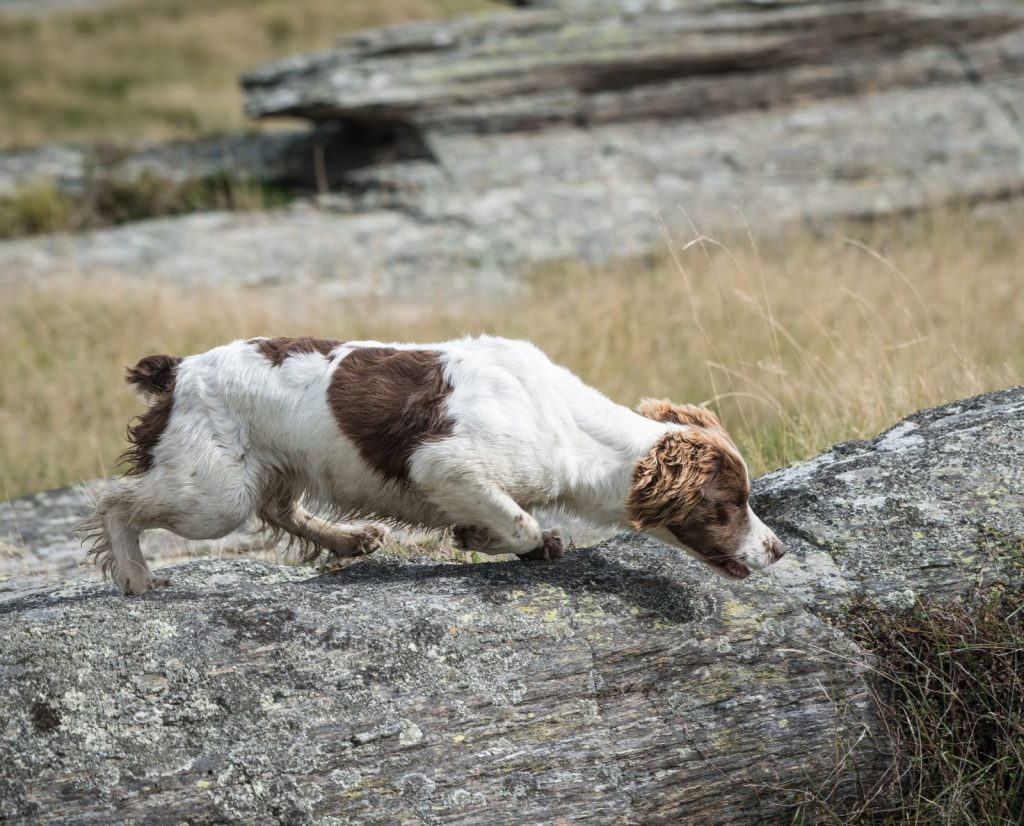
The trials are held during the cooler months of the year, which suits the athletic pace of the working Cocker and Springer. Usually about 20 dogs are entered in each trial and each trial can take up to six hours to complete, depending on the performance of the dogs and how much game is being found by the spaniels. Each dog is run for about 12 minutes under each judge to “fill its card,” which means being credited with a flush, being shot over, and retrieving the shot game.
Official Regulations for Spaniel Natural Game Field Trials
According to the official rules for Spaniel Natural Game Field Trials:
Dogs shall be required to quarter ground in quest of game, to be steady to flush, shot, and fall, and to retrieve game tenderly on command from land or water. Dogs must be tested on wild game in these trials. Reared game is deemed to be “wild” only if it was released at least four weeks prior to the trial.
Read: 2024 Regulations of The New Zealand Gundog Trial Association
Where possible dogs should be run in pairs, one dog under each Judge. In the first round, odd numbers will run under the right-hand Judge and, unless discarded, will run in the second round under the left-hand Judge and vice-versa. After the second round of a Stake is completed the Judges may call up any dogs they please and in any order.
Faults and Credit Points in Spaniel Trials
These faults and credit points are used by judges to assess the performance of hunting spaniels in New Zealand during Natural Game Field Trials. They reflect the qualities required of working spaniels in both competitive trials and practical hunting situations.
Eliminating Faults
- Hard mouth
- Whining or barking
- Missing game on the beat
- Running in or chasing
- Out of control
- Failing to enter water
- Changing game whilst retrieving
Major Faults
- Failing to find dead or wounded game, known as an “eye wipe”
- Not quartering and not making ground good
- Not stopping to shot and game
- Disturbing ground
- Noisy handling
- Poor control
- Catching unwounded game
Credit Points
- Natural game-finding ability
- Nose Drive
- Marking ability
- Style
- Control Quickness in gathering game
- Good retrieving and delivery
- Quietness in handling
By the very nature of wild game, the terrain, and the regulations of the Spaniel Natural Game Trials, it takes special dogs and good handlers to excel in this sport. Otherwise, you leave the trial thinking of all the things you need to train for before the next trial—which is indeed a very rewarding and humbling sport.