


Backyard Homesteading for Hunters: Quail, Rabbits, and Edible Landscapes
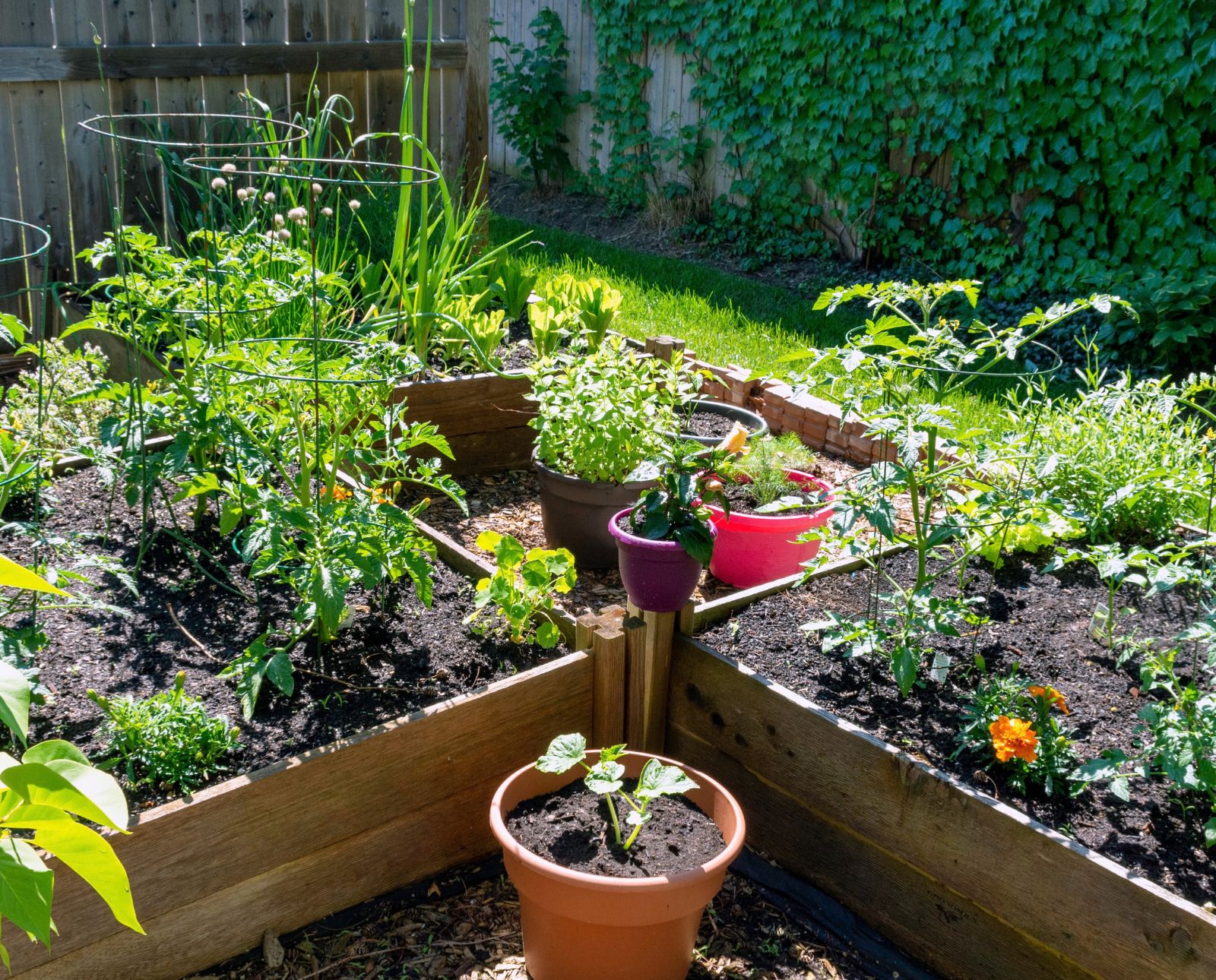
Raising chickens, quail, or rabbits, planting edible landscapes, and respecting your neighbors are practical ways hunters can start backyard homesteading
You can look back to the early spring of 2020 and begin to see something stirring as the COVID-19 pandemic crept into its full swing. It was something that folks running feed mills and co-ops noticed immediately—a resurgence in the interest of learning how to homestead, especially in suburban and urban settings.
For many upland hunters, food independence begins in the woods. Wild birds, rabbits, and foraged foods connect us to the land. Backyard homesteading for hunters is simply another way to extend that relationship with the land beyond hunting season—even into suburban backyards.
Homesteading is a great way to support your food independence. But limited space, nosey neighbours, and bylaws often got in the way of folks who just want a little extra food security. During COVID, I learned many lessons, sometimes the hard way, and through it all came a lifestyle I like to refer to as “renegade homesteading.”
If your home lacks the space that you think you need, or maybe it’s too close to neighbors whose fingers are just itching to call the local bylaw officer, here’s a guide to how you can complement your hunting lifestyle and become a renegade in the homesteading world.
Homesteading Bylaw Loopholes: Comparing Chickens, Coturnix Quail, and Meat Rabbits
Depending on where you live and what sort of property you have, researching legal loopholes might not be as important as it is to others. However, for folks living deep in the suburbs and whose backyards are measured in feet rather than acres, looking into city or town bylaws can offer precious insights as to what kinds of livestock you can keep.
Chickens are a great example. Many urban and suburban communities fall within laws that dictate that residents cannot to keep chickens on their property. This would be more than enough to discourage those who don’t know to look into other options. But did you know that many bylaws that regulate poultry as livestock do not consider coturnix quail as livestock?
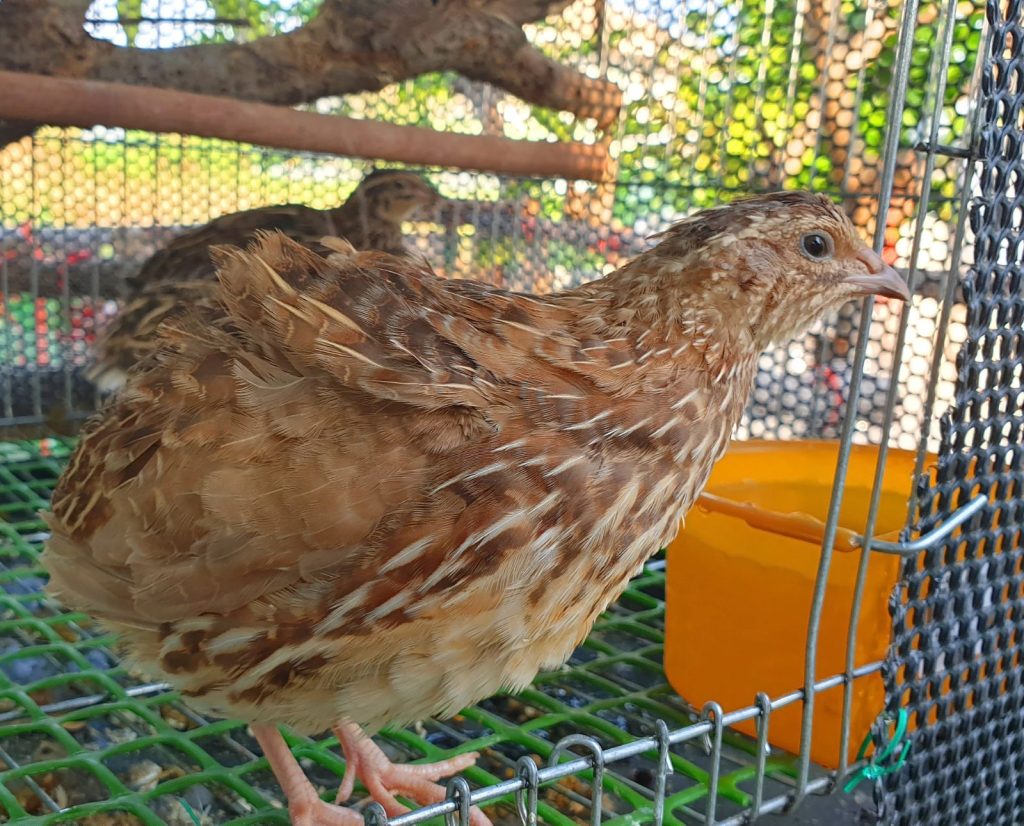
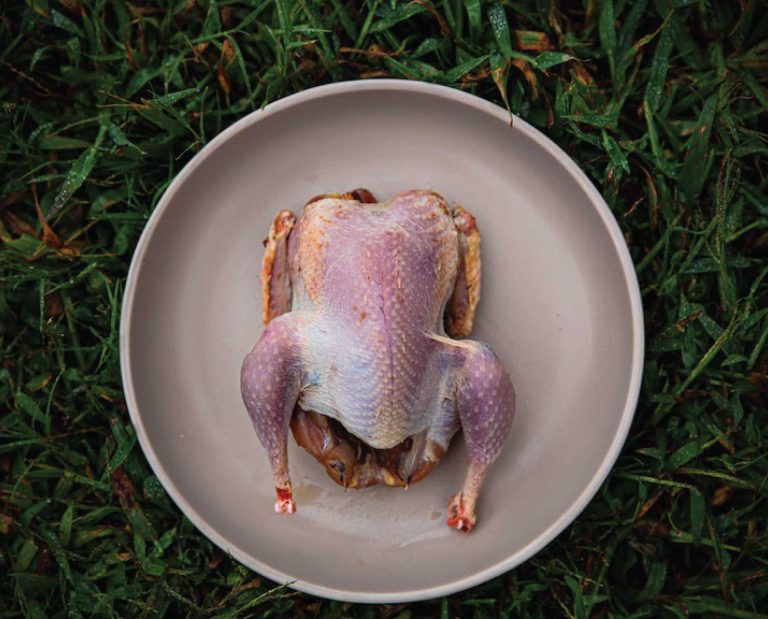
In many places, quail are considered to be pets rather than farm animals. As a result, raising coturnix quail is completely unregulated. This is a huge win for the prospective urban homesteader because 20 quail need so little space to thrive, and they grow so quickly that it can be a lucrative homesteading endeavour. These little birds can produce one egg per day per hen. When you consider that a dozen quail eggs costs almost $10 USD, raising quail seems like a shoo-in for the urbanite who wants a little homestead side hustle, never mind how delicious the birds are once they’re on your dinner plate. Any wild quail recipe will also work for domestic quail.
Read: Quail or Chickens: Which Domestic Bird is Right For You?
Another livestock animal that goes under the radar is meat rabbits. My local bylaws state I can have four chickens, none of which can be roosters. But when it comes to raising meat rabbits, so long as their living conditions are ethically maintained, I’m allowed to raise as many as I want. This is completely insane when you consider that a single doe, or female rabbit, can have three litters of kits per year, and each of those litters might contain six to 12 kits. That ends up being a lot of meat in the freezer for someone who has a standard backyard in modern-day suburbia. If you’ve hunted wild rabbits, then you know how delectable rabbit meat can be.
For hunters interested in backyard homesteading, small livestock like chickens, quail, and rabbits offer an accessible way to produce meat close to home. But if you’re keeping quail or rabbits for meat, you need a way to dispatch them without disturbing your neighbors. Ethical dispatch is something that you are going to want to figure out before you invest in the animals.
Suburbia also comes with its own host of predators, including skunks, cats, hawks, rats, and foxes, but the one that any urban homesteader should be most worried about is the raccoon. Raccoons will work their way into any hutch or pen that isn’t completely raccoon-proof. When you’re building your setup, make sure that there is absolutely no way that a raccoon can get into it.
Edible Landscapes
“Edible landscapes” was a term that I heard years ago and adopted almost immediately. The goal with planting an edible landscape is that anything you plant on your property, no matter how small your property may be, will produce some sort of food at one point of the growing season or another. This is easier to accomplish than most people think, but the hard part is rewiring our brains to stay conscious of it. Ornamental shrubs look great on paper, but they may not be native to your region, whereas investing in three or four currant or blueberry bushes not only provide you with food, but you can also find native varieties to plant as well.
Many suburban homes have what are essentially dead zones, or places where the sun bakes the soil so badly that very little will grow there. However, dead zones can be remedied with a bit of compost and manure to add nutrients back into the soil. At this point, caning plants like raspberries and blackberries can be added, and they’ll almost certainly thrive.
Some municipalities have laws against how much of your lawn you can dig up and turn into gardens. Before you start digging, make sure you are well-versed with what you are legally allowed to do. If your front lawn has enough room to support a couple of small trees, don’t pass up the opportunity to plant a couple of dwarf apple, cherry, or pear trees. These varieties only reach six to seven feet in height and produce bumper crops of fruit after they’ve established themselves. Keep in mind, most fruit tree varieties need at least one other variety to cross pollinate with in order to bear fruit.
The best part of edible landscaping is that homesteaders can learn just how many plants can go into the ground that can be used as either food or for medicinal purposes, especially if your local bylaw prevents growing vegetables in and around the front of your property. Yes, this is a real law that prevails in many places throughout North America. While you might not be able to grow bell peppers in the front garden, you can sneak in herbs like sage, rosemary, camomile, and lavender, as well as many other plants that don’t draw as much attention to themselves.
Growing Vegetables, Berries, and Other Edible Plants in Container Gardens
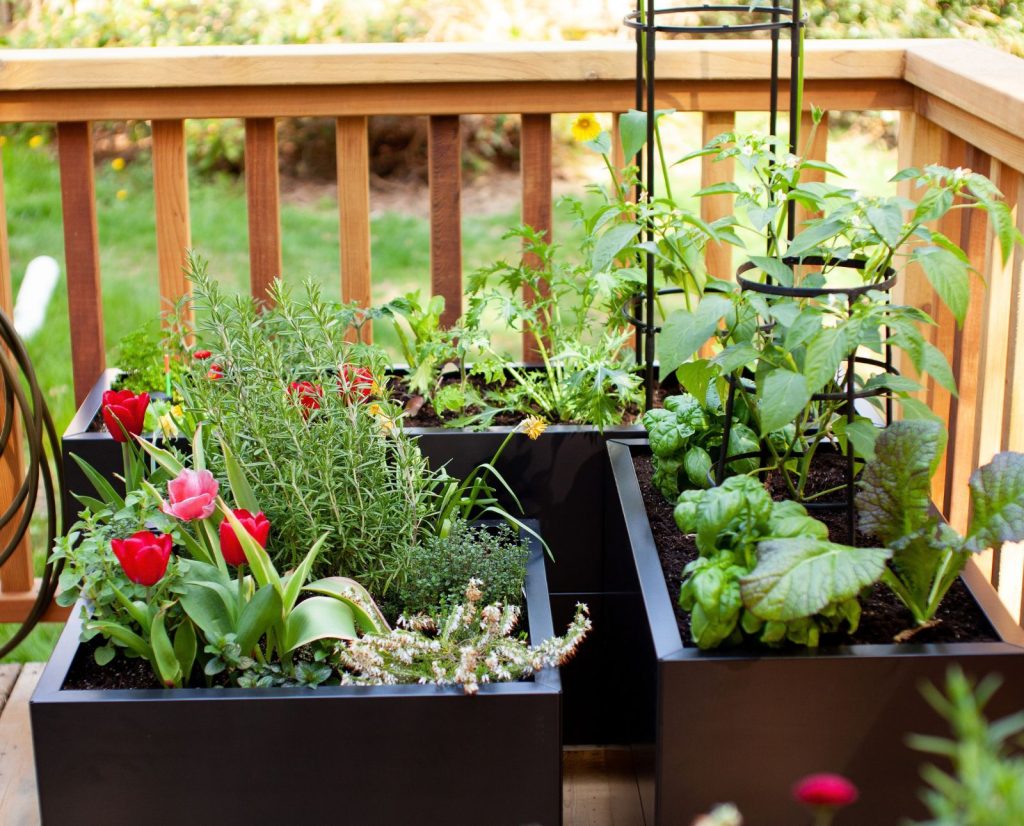
Container gardening is a technique that most people relegate to annual plants that get dumped out at the end of the summer, but if space is at a premium, do not overlook container gardening as a method of growing fresh produce. In fact, many seed companies have specific varieties of fruit-bearing plants and vegetables that are meant to not only grow in pots and containers, but flourish there.
This is perfect for small spaces and apartment balconies. Even if you have a yard, the benefits of container gardening are many and cannot be overstated. The soil conditions can be regulated easily for moisture or dryness, the actual plants can be moved into different locations based on their needs (more sun, more shade, etc.), and varieties of berry-producing plants like Top Hat blueberry bushes can be brought indoors once they’ve gone dormant. This is a huge win for anyone who wants the big garden but doesn’t have the actual ground space to make it happen, which seems to be the case more and more with modern housing developments.
Communicating With Your Neighbors
If it weren’t for my neighbors, it’s likely that I wouldn’t be able to homestead. For example, it’s against the law to have more than four chickens where I live, but several of my homesteading neighbours have at least double that number, myself included. No one rats anyone out because, and this has been agreed upon, that if one of us goes down, we all do. That’s not something that any of us renegade homesteaders want, but talking with the folks in our neighborhood reassured me that unless we had particularly noisy birds, like an unruly rooster, no one was going to get the police involved.
As a renegade homesteader, sometimes having a chat with your neighbours prior to adding new animals into your homesteading setup can be a beneficial idea for everyone. If you’re planning on raising some quail on the balcony, maybe offer your neighbour some eggs every now and then. See where those closest to your home stand with your ideas, if for no other reason than to gather a little bit of intel on who might give you problems later on, and come up with solutions to stem it before it happens. It’s the renegade way.
Why Backyard Homesteading Makes Sense for Hunters
In many ways, homesteading and upland hunting share the same philosophy. Both are rooted in paying attention to the land, understanding the seasons, and taking a more active role in where your food comes from. Hunters who spend autumn walking coverts for birds and rabbits already understand the satisfaction that comes from harvesting food yourself. A backyard garden, a few berry bushes, or even a small flock of quail simply extends that relationship with the land beyond hunting season.
Whether it’s planting edible landscapes, raising a bit of meat close to home, or growing herbs for the next wild game meal, renegade homesteading can become a natural complement to the upland lifestyle—another way to stay connected to the land all year long.

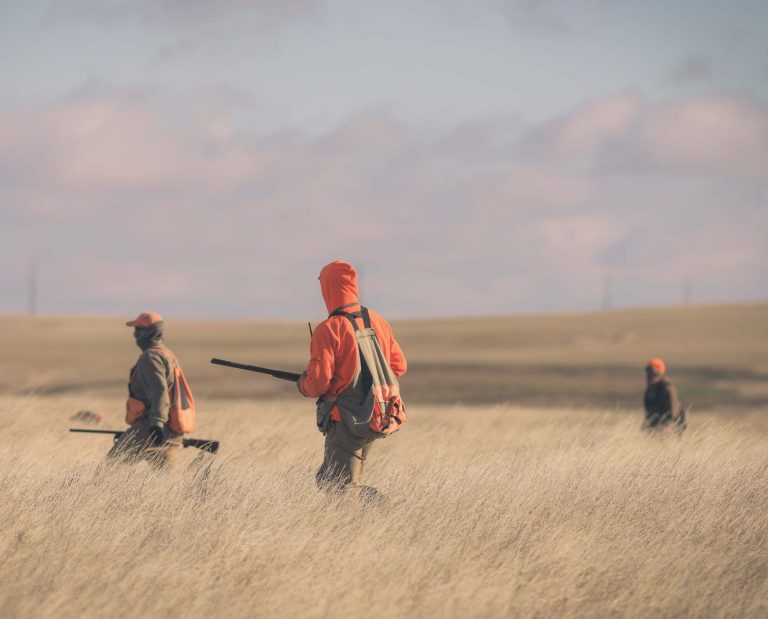

Even in many urban areas W. T. Deer can devour lots of garden plants. Keeping them “at bay” can be a nightmare!