


Types of Grouse You Can Hunt in North America (and Why You Should)
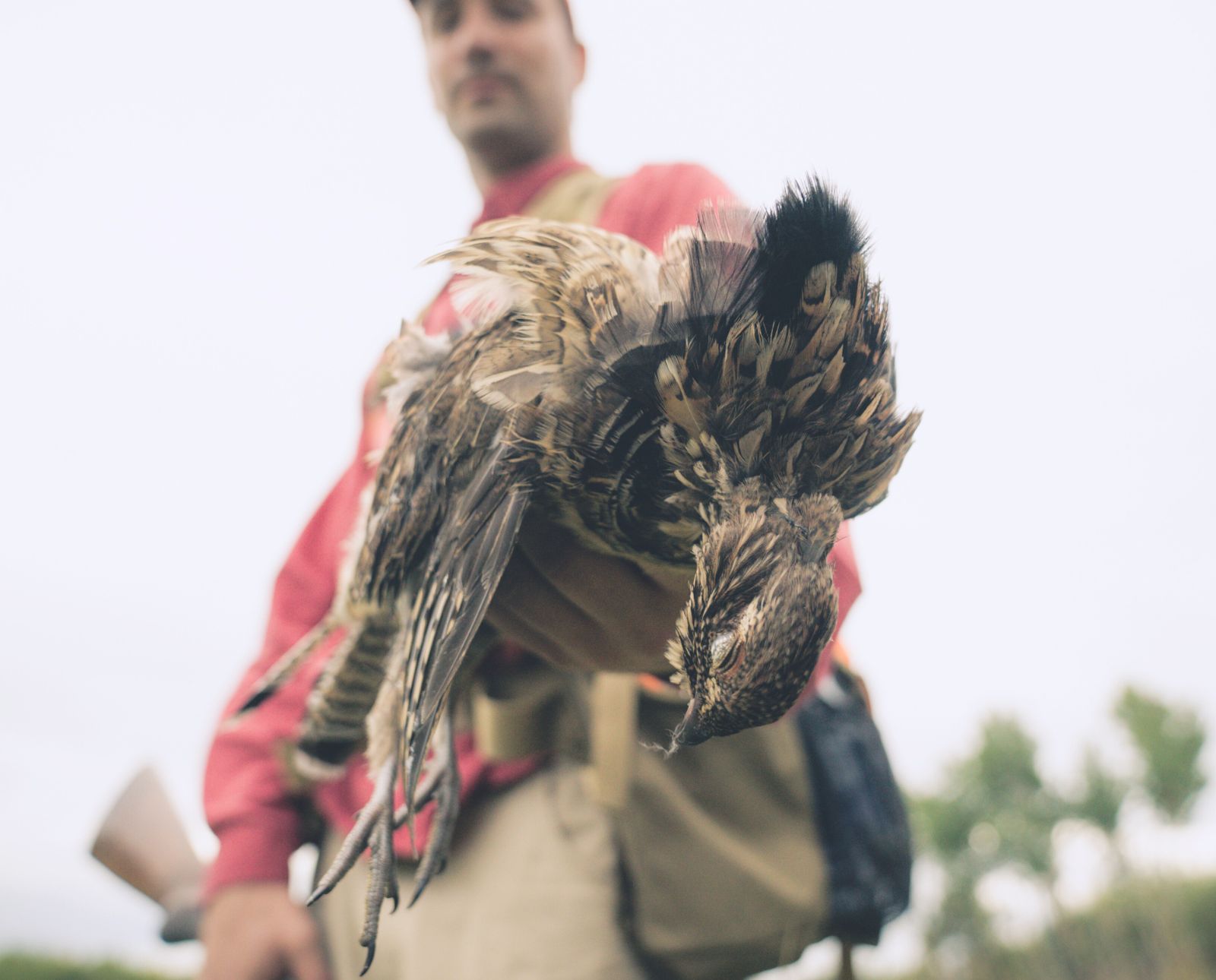
Discover popular North American grouse species and what makes each one worth hunting
While pheasants are synonymous with the uplands, grouse are one of the most widely dispersed upland birds in North America. And unlike pheasants, which are non-native, grouse species are indigenous to the U.S. and make for some of the best hunting experiences and table fare of any game birds. The best part is that no matter where you’re located in the country, there are probably types of grouse you can hunt in a forest or prairie near you.
Are you curious about chasing grouse—or going after a different species of them? Here are some of the most popular types of grouse to hunt and what’s special about pursuing each of them.
What is a “Grouse?”
Colloquially, “grouse” has been used as a catch-all term for ground-dwelling game birds. Today, though, the term is used for the names of most members of a taxonomic “tribe” known as Tetraonini. The taxonomic tribe is part of the family Phasianidae, which is also the taxonomic family that has turkeys, an evolutionary relative of the grouse. Phasianidae is part of the broader order Galliformes, which is the taxonomic classification for “landfowls,” including chickens, according to the National Center for Biotechnology Information.
While grouse can be found throughout the world, there are several main species of them that hunters can target in North America. Perhaps the most well-known species of grouse is the ruffed grouse, which are found in forests along the East Coast to the mountains of the Northwest. Similar but distinct species include the dusky and sooty grouse. Then, when it comes to prairie grouse, there are the iconic sharp-tailed grouse and sage grouse. Each species of grouse offers a unique opportunity to hunt a native upland bird in the U.S.
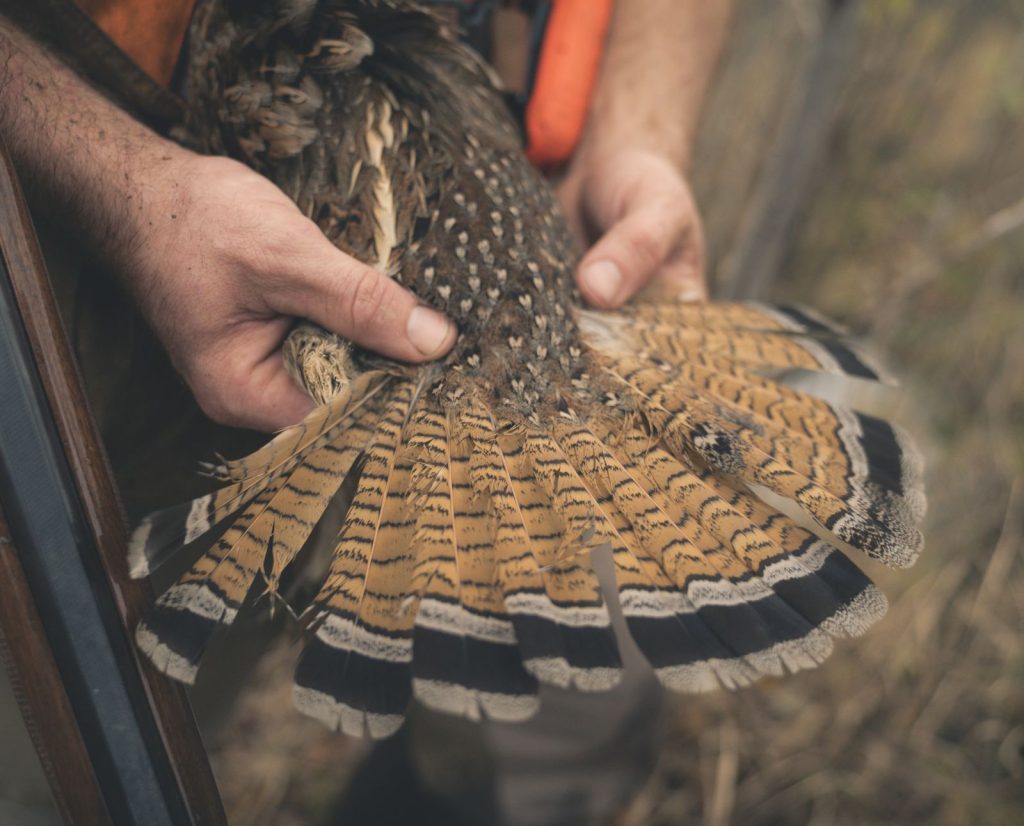
Ruffed Grouse Hunting: The King of Game Birds
Ruffed grouse, or ruffies, are perhaps the most well-known species of grouse in North America for a reason. The species, sometimes dubbed the “King of Game Birds,” is one of the most popular quarries for bird hunters and has become synonymous with woods across the country, but particularly in the Northeast and Midwest. Aldo Leopold, one of the godfathers of conservation in North America, wrote in A Sand County Almanac that, “Everybody knows that the autumn landscape in the northwoods is the land, plus a red maple, plus a ruffed grouse. In terms of conventional physics, the grouse represents only a millionth of either mass or the energy of an acre. Yet, subtract the grouse and the whole thing is dead.”
According to the Ruffed Grouse Society, the species, which is characterized by the male’s prominent neck feathers, is the most widely distributed resident game bird in North America and can be found in 38 states and every Canadian province and territory. Their range extends from the forests of northern Georgia and Alabama through the east and across the upper Midwest through the Pacific Northwest.
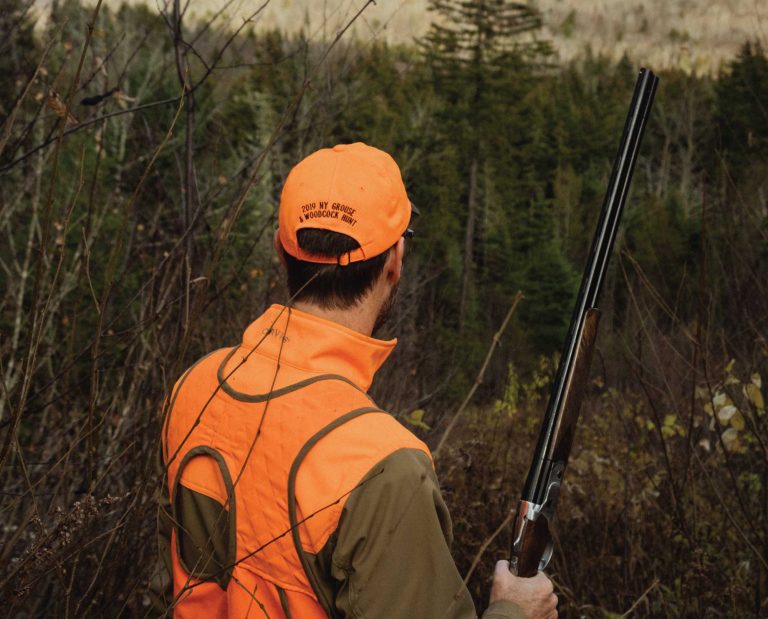
While ruffies can be hunted in the West, the strongest culture surrounding ruffed grouse hunting is in the Midwest and East. The most well-known states for grouse hunting are Minnesota, Wisconsin, Michigan, and Maine. Plenty of sleeper states lie between New Hampshire, New York, Pennsylvania, and West Virginia.
Most ruffed grouse hunting is done in thick woods on public land. The species can be successfully hunted by a dogless hunter but it is traditionally done with close-ranging pointing breeds that can work thick cover, such as an English Setter. Ruffed grouse are known to run and can be difficult to shoot and recover given the rough country they inhabit. Hunters traditionally walk old logging roads, while their dogs work brambles next to them. The challenging hunting pays off when a ruffed grouse erupts in a thunderous flush.
Blue Grouse Hunting: Dusky and Sooty Grouse
Blue grouse is a catch-all term for two similar but slightly distinct species: sooty and dusky grouse. Both species are similar and offer high-elevation hunting in the American West. While the species are different, hunting for them is very similar.
Why should you hunt for blue grouse? The reasons to do so are simple: they’re accessible and relatively easy to hunt. And they taste damn good.
Blue grouse are fairly widely dispersed across the western U.S., and importantly, they’re found in mountain forests, which usually have large swaths of public land. Many blue grouse hunters simply walk old logging or fire roads looking for grouse. Some even drive forest roads slowly, waiting to spot a grouse by the roadside or in a nearby tree limb.
Unlike many species of upland birds, you don’t need a dog to hunt blue grouse, because they don’t often flush well. When they do, they often just perch on a branch within gun or even bow range. That said, it is possible to hunt blue grouse with a dog, and you can do so safely early in the season as blue grouse don’t typically live in habitats where rattlesnakes are present.
Because of the ample opportunity and the tendency of blue grouse to present easy shot opportunities, blue grouse hunting is a great pursuit for kids and new hunters. It’s also a phenomenal way to put food on the table as blue grouse are one of the best eating birds out there. I often chase them early in September in Western Montana while going to check my chanterelle mushroom spots.
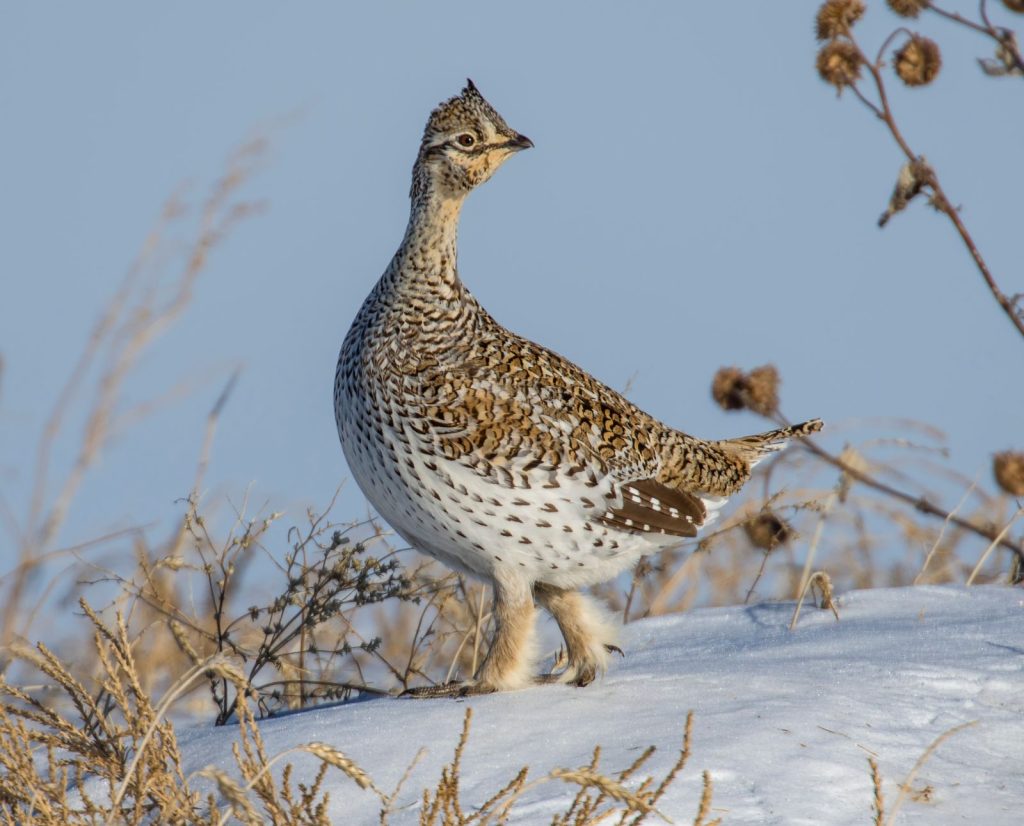
Why Hunt Sharp-tailed Grouse?
Sharp-tailed grouse, also called sharptail or sharpies, are one of my favorite upland birds to chase, in part because the first bird I killed over my Griffon, Gunney, was a sharptail in central Montana. According to the National Audubon Society, sharptail grouse are found in areas where open grasslands are mixed with groves of trees or shrubs. The species is found throughout the northern Great Plains, but its range has been in a steady decline due to habitat loss and persistent drought.
That said, sharptail hunting can be one of the most productive styles of upland bird hunting, particularly early in the season when pheasant hunting is still closed and sharptails are found in small groups. Later in the season, sharptails often flock up and flush wild more easily, making hunting them harder. But early-season sharptails are one of the best species for an inexperienced bird dog because they hold well and aren’t known to run. They’re also relatively easy to hit when they flush, at least compared to Hungarian partridge, which are often found in similar places. Look for knee-high grasslands and be prepared to put in miles on foot.
Sage Grouse Hunting and Conservation Challenges
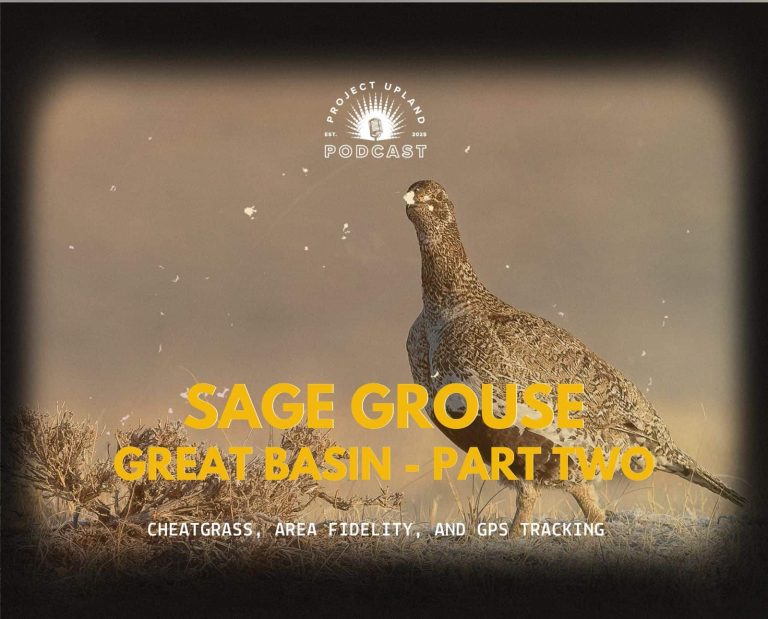
Sage grouse are one of the most emblematic and embattled species of game birds in the American West. They are, unsurprisingly, are found in habitats with sagebrush. The species is known for its males’ elaborate mating displays, which involve puffing out their chests and fanning out their tails.
According to the U.S. Fish and Wildlife Service, greater sage grouse populations have declined and even been extirpated in some areas because of habitat loss and fragmentation from invasive plants, energy development, human impact, and more. Of all grouse species, the sage grouse is the most threatened.
One reason to hunt for them would be to chase a bird that potentially could become listed as threatened or endangered soon. If they get listed, they’ll also become off-limits to hunting. A more optimistic way of looking at it would be that without staunch advocates such as bird hunters, sage grouse populations don’t have any hope of recovering.
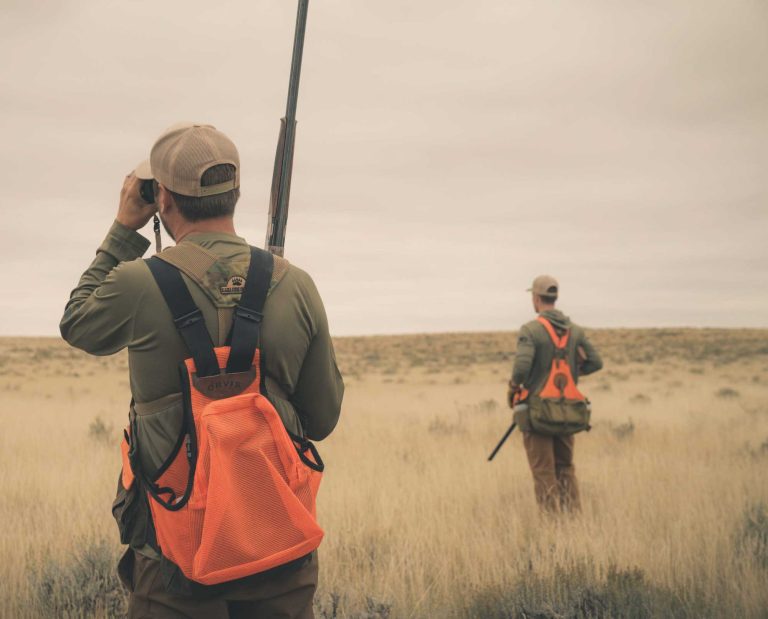
In terms of tactics, sage grouse hunting is often done over dogs, but not always. The take of sage grouse is strictly regulated with short seasons and small bag limits. But if you can get into good sage grouse habitat, they are known to hold well for pointers. Early in the season, they can often be found near water sources.
The Final Word on Grouse Hunting
Jim Harrison famously wrote in Wolf: A False Memoir “barring love I’ll take my life in large doses alone—rivers, forests, fish, grouse, mountains.” I can’t help but agree on all counts. Grouse are one of my favorite species of game birds. Whether you want to walk forest roads in the northwoods or explore the remaining wild prairies of the West, there is a grouse for you to hunt.



I understand PU is always looking for content, but you can do better than this lame article.. seems that the author looked up ‘grouse’ in the index of a bird book and went with the obvious; covering less than half of the grouse found in North America.