

Upland Bird Hunting in Wisconsin for Ruffed Grouse, Woodcock, Pheasant, Dove, and Other Small Game
Hunting regulations, bag limits, license fees, and other information about upland bird hunting in America’s Dairyland.
Iconic. Legendary. Incredible. These adjectives accurately describe upland bird hunting in Wisconsin. The Badger State is known for healthy ruffed grouse populations, abundant American woodcock breeding grounds, and the conservation of at-risk upland species like greater prairie chickens and sharp-tailed grouse. In fact, Wisconsin has some incredible conservation news to share this year on that front: the state is hosting a sharp-tailed grouse hunting season for the first time since 2018.
READ: Firebirds of the Northwest Sands: Sharp-tailed Grouse of Wisconsin
“Wisconsin has had a long history with sharp-tailed grouse,” stated the Wisconsin Department of Natural Resources (WDNR) in a press release. “Beginning in the 1990s, state biologists noticed a steady decline in population numbers. Fragmentation and loss of their core habitat (pine barrens) are believed to be the primary causes of the decline.”
Because of the low population numbers, starting in 2019, the Sharp-tailed Grouse Advisory Committee recommended ending the hunt. The committee, which consists of biologists, federal agency employees, and conservation groups, reviews lek surveys, nesting success, habitat conditions, and weather each year. “Based on the population response we’ve been seeing, the metrics…suggested the population was large enough again for a limited hunt,” said Bob Hanson, a WDNR wildlife biologist and key committee member.
For the last six years, the population has been too small to allow hunting. But this fall, hunters awarded a permit via a draw system will be allowed to shoot one sharptail.
The reopening of the sharptail season is a conservation win. This open season wouldn’t be possible without the dedicated efforts of land managers, wildlife biologists, conservation organizations, and sharptail enthusiasts. “[The reopening] culminates years of intensive habitat work in the Northwest Sands region,” said the WDNR.
Whether you’re one of the fortunate few to draw a coveted sharptail tag (or you’re just chasing ruffies and woodcock), here’s what you need to know about Wisconsin’s 2025–2026 upland bird hunting seasons and regulations.
Wisconsin Upland Bird And Small Game Season Dates And Limits
Download Wisconsin’s hunting regulations for the 2025-2026 seasons here.
| Species | Season | Daily / Possession Limits | Notes |
| Pheasant | Oct. 18 (9 a.m.), 2025 – Jan. 4, 2026 | 1 or 2*/4 | *One rooster daily on opening weekend. Two roosters daily for remainder of season. |
| Bobwhite Quail | Oct. 18 (9 a.m.), 2025 – Dec. 10, 2025 | 5/15 | |
| Ruffed Grouse | Zone A: Sept. 13, 2025 – Jan. 4, 2026 Zone B: Oct. 18, 2025 – Dec. 8, 2025 | Zone A: 5/15 Zone B: 2/6 | |
| Spruce Grouse | No open season | – | Spruce grouse are a threatened species in Wisconsin. No harvest is permitted |
| Gray (Hungarian) Partridge | Oct. 18 (9 a.m.), 2025 – Jan. 4, 2026 | 3/9 | Closed in Clark, Marathon and Taylor counties |
| Sharp-tailed Grouse | Oct. 18, 2025 – Nov. 9, 2025 | One grouse per issued carcass tag | Drawn zone-specific permits only |
| American Woodcock | Sept. 20, 2025 –Nov. 3, 2025 | 3/9 | |
| Mourning Dove | Sept. 1, 2025 – Nov. 29, 2025 | 15/45 | |
| Wilson’s Snipe | Sept. 1, 2025 – Nov. 9, 2025 | 8/24 | |
| Sora and Virginia Rail | Sept. 1, 2025 – Nov. 9, 2025 | 25/75 | |
| Gray and Fox Squirrels | Sept. 13, 2025 – Feb. 28, 2026 | 5/15 | |
| Snowshoe Hare | Year-round open season | Unlimited | License is still required to hunt snowshoe hare |
| Cottontail Rabbit | Northern Zone: Sept. 13, 2025 – Feb. 28, 2026 Southern Zone: Oct. 18 (9 a.m.), 2025 – Feb. 28, 2026 | Northern Zone: 3/9 Southern Zone: 3/9 | Northern Zone: North of Hwy. 10 to Waupaca and north of Hwy. 54 to Algoma. Southern Zone: South of Hwy. 10 to Waupaca and south of Hwy. 54 to Algoma |
These dates were last updated on August 19, 2025 and may not reflect any changes since that date. For the most up-to-date information, visit the WDNR website.
Ruffed Grouse
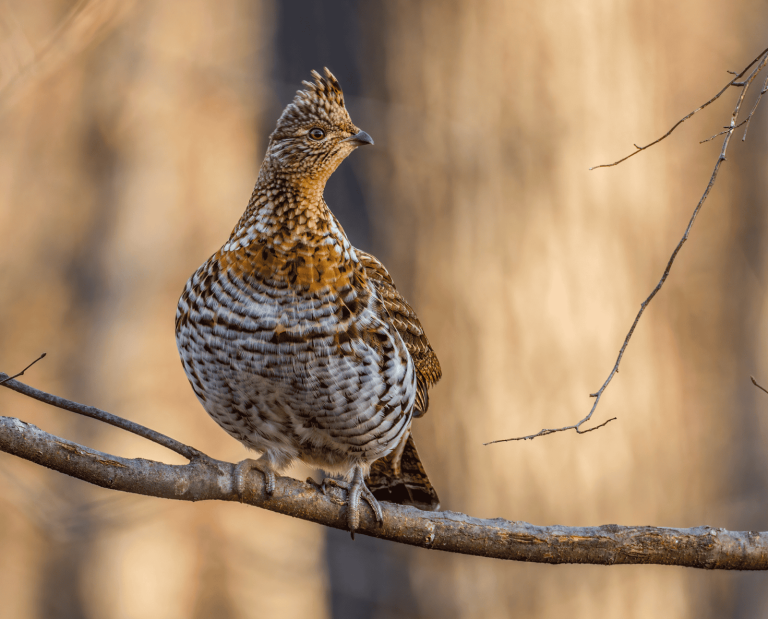
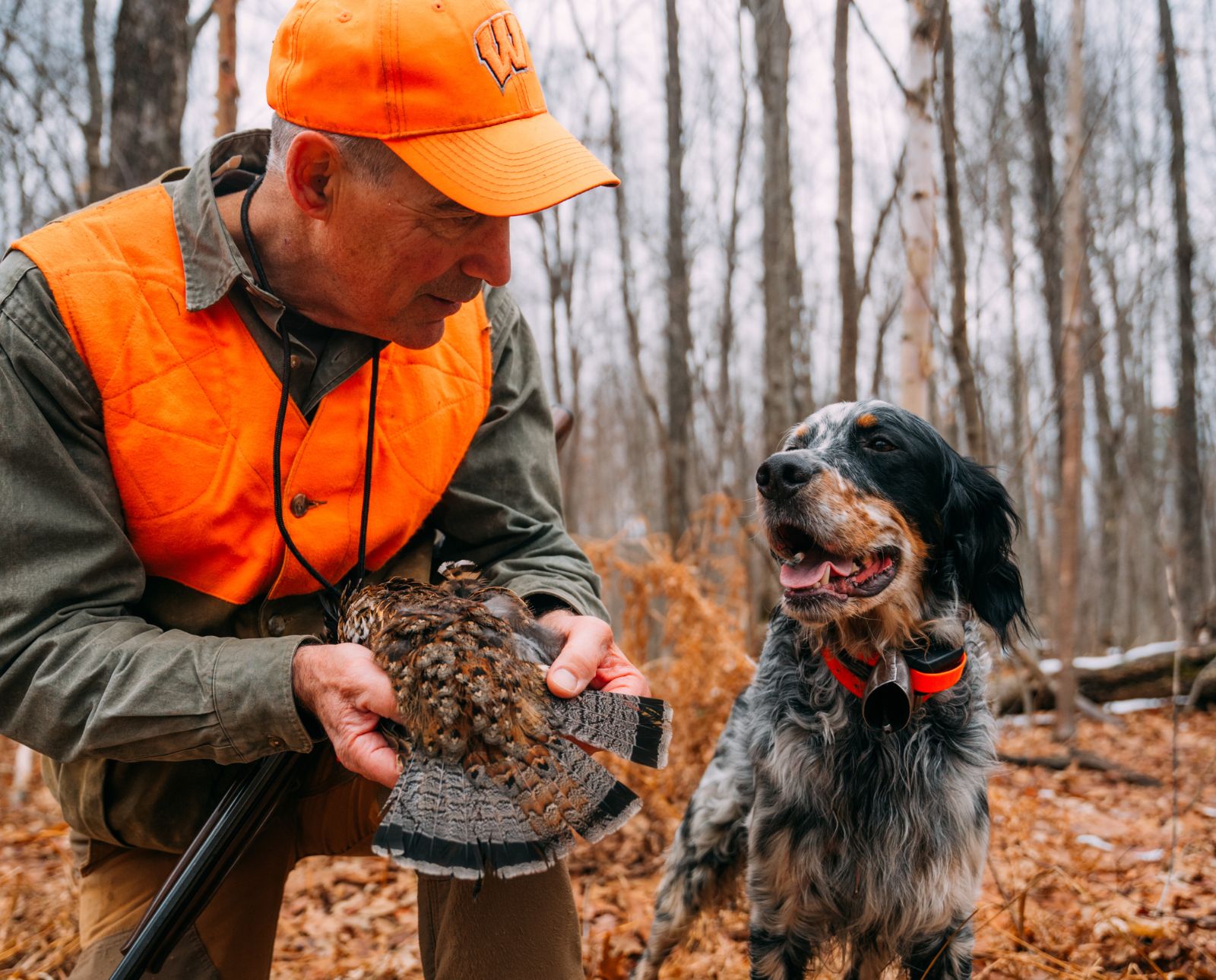
Ruffed grouse are the most popular bird species to hunt in Wisconsin. One of the best areas to hunt for ruffed grouse is Price County. Price County and its 300,000 acres of hunting land is known to many as the “Ruffed Grouse Capital of the World.” Of course, there are other places to hunt ruffed grouse in Wisconsin. However, it’s worth visiting Price County if you’re hunting birds in Wisconsin.
LISTEN: Wisconsin Ruffed Grouse Specialist Alaina Roth on the Project Upland Podcast
Wisconsin’s ruffed grouse season is divided into two zones. Zone A, covering the northern and western portions of the state (west of U.S. Highway 151), runs from September 13, 2025, through January 4, 2026, with a daily bag limit of five birds and a possession limit of 15. Zone B, in the southeastern corner of the state, opens later and has more restrictive limits: from October 18 through December 8, 2025, hunters may take two birds daily with a possession limit of six.
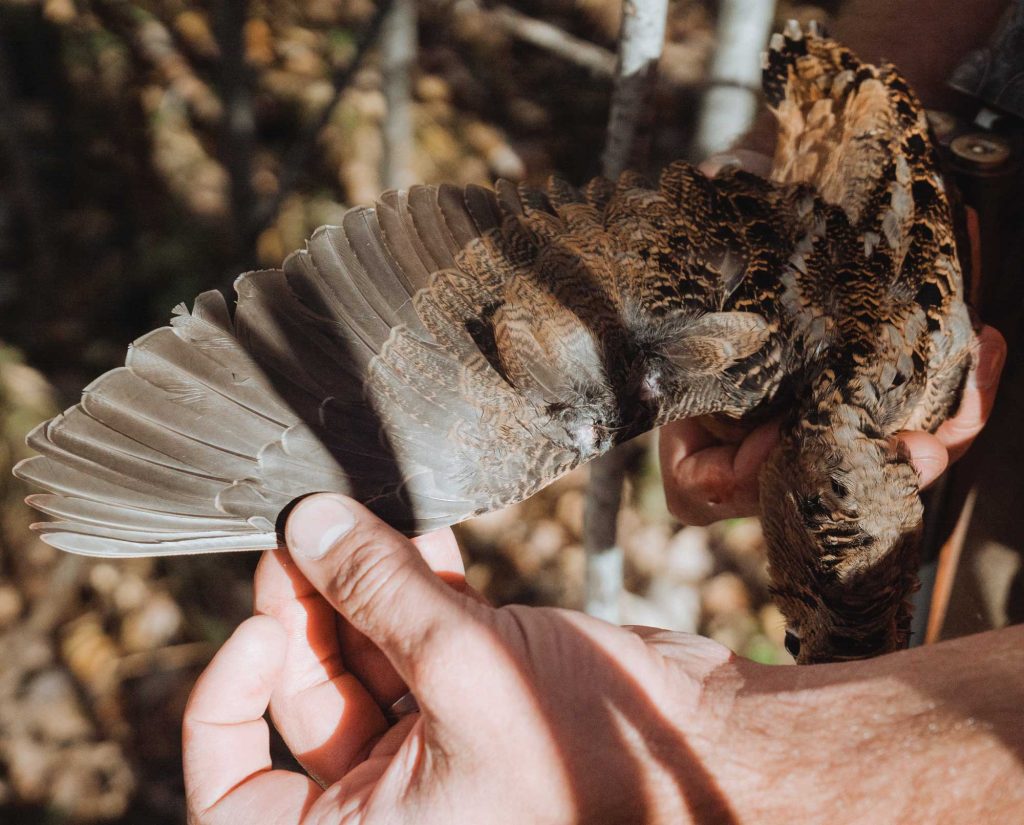
American Woodcock
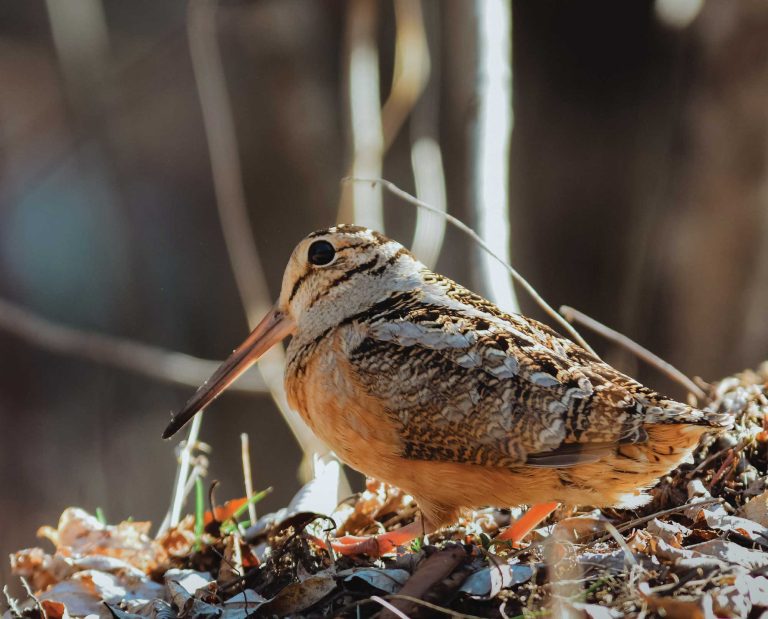
Wisconsin’s American woodcock season runs from September 20 through November 3, 2025, with a daily bag limit of three birds and a possession limit of nine. Because they are governed by federal migratory bird laws, hunters must also complete a Harvest Information Program (HIP) survey.
According to the Wisconsin Bird Conservation Initiative, the state’s woodcock populations have declined by about 1.8 percent annually since the late 1960s, a trend tied to the loss of young forest habitat. The state has seen a 40 percent reduction in aspen-birch forest types between 1936 and 1996, particularly in central Wisconsin, limiting the aspen and alder cover woodcock require. Despite these declines, strong populations remain in the Chequamegon-Nicolet National Forest, Northern Highland State Forest, Black River State Forest, Necedah National Wildlife Refuge, and many northern county forests.
Ring-Necked Pheasant
Pheasant hunting has been part of Wisconsin tradition since the bird was first introduced in the late 1800s. While numbers peaked in the early 20th century, changes in agriculture and land use have reduced habitat, and today pheasants are most common in the west-central and southeastern regions of the state.
The WDNR regularly stocks birds on public lands. The agency plans to release over 75,000 birds across 80 properties this year. Check out the WDNR website for release sites and other information.
The 2025 pheasant season runs from October 18 (9 a.m.) through January 4, 2026, with a daily bag limit of one rooster on opening weekend, then two roosters daily for the rest of the season. Possession limit is four birds. An additional fee of $10 is required for a pheasant stamp.
Special noon closure areas apply to certain state wildlife areas from October through November 3; view the full list of the properties that close early here. Additionally, after October 19, daily shooting hours close at 2 p.m. for all species at Richard Bong State Recreation Area, with exceptions for waterfowl and archery deer hunting.
Mourning Dove Hunting in Wisconsin
Mourning doves are one of Wisconsin’s most accessible upland game birds. The 2025 season runs from September 1 through November 29, with a daily bag limit of 15 birds and a possession limit of 45. A Harvest Information Program (HIP) registration is required, and hunters must use non-toxic shot on WDNR-managed lands.
Doves can be found across the state in grain fields, weed patches, gravel areas, and near water sources, making scouting a key factor for success. Wisconsin biologists also participate in a national dove banding program, with a goal of banding around 850 birds annually. Hunters who harvest a banded dove are asked to report it to the U.S. Fish and Wildlife Service Bird Banding Lab.
For hunters looking to target managed fields, the Wisconsin DNR’s Fields & Forest Lands Interactive Gamebird Hunting Tool (FFLIGHT) provides maps of dove management areas, as well as properties stocked with pheasants and habitat for grouse and woodcock. Just note that it is illegal to hunt anything other than mourning doves on fields managed specifically for doves.
Hunting Bobwhite Quail in Wisconsin
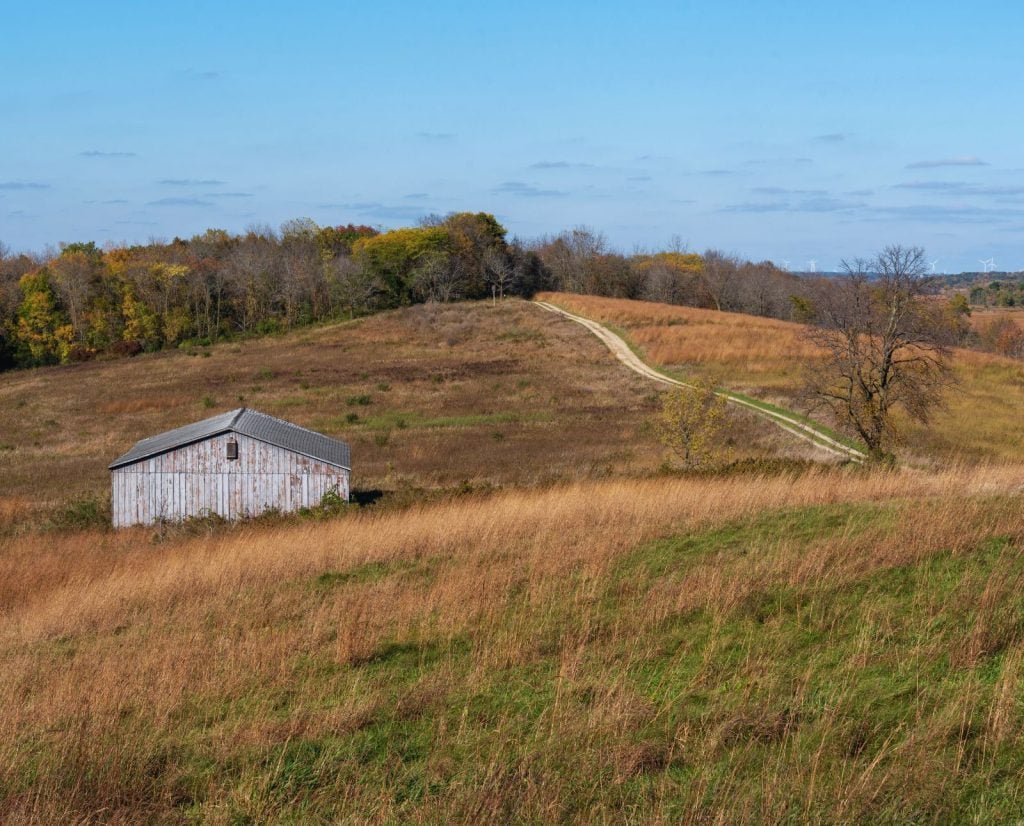
Once abundant across the southern and central parts of the state, bobwhite quail in Wisconsin have steadily declined over the last century as a result of habitat loss, agricultural changes, and harsh winters. The Wisconsin All-Bird Conservation Plan noted that in recent decades, hunters harvested fewer than 8,000 birds annually. By 2015, however, Quail Forever estimated that harvest had dropped to just over 1,000 birds. Today, remnant populations are concentrated in southwestern Wisconsin, with smaller scattered pockets in central and southeastern regions.
READ: Midwestern Bobwhite Quail Conservation: The Time for Action is Now
Wisconsin’s 2025 quail season runs from October 18 (9 a.m.) through December 10, with a daily bag limit of five birds and a possession limit of 15. Hunters should focus on areas with a mix of grassland, farmland, and woody cover, especially old fields, hedgerows, and oak openings.
Other Small Game Hunting Opportunities in Wisconsin
In addition to the ever-popular upland bird species like ruffed grouse and woodcock, Wisconsin offers a variety of other small game hunting opportunities. Ambitious hunters can chase snipe, rails, gallinules, and Huns. Snipe season runs from September 1 through November 9, 2025, with a daily bag limit of eight birds. Virginia rail and sora season is also open from September 1 through November 9, 2025, with a daily bag limit of 25 birds. Gallinule season runs during the same dates, with a daily bag limit of 15 birds. The Hungarian partridge season opens October 18 at 9 a.m. and continues through January 4, 2026, though hunting is closed in Clark, Marathon, and Taylor counties.
Hunters can also pursue cottontail rabbits, snowshoe hares, and squirrels across much of the state. Cottontail rabbit hunting is divided into two zones: the Northern Zone is open from September 13, 2025, through February 28, 2026, while the Southern Zone runs from October 18 (9 a.m.), 2025, through February 28, 2026. The daily bag limit is three rabbits, with a possession limit of nine. Snowshoe hare season is open year-round with no bag limit, though a small game license is required. For gray and fox squirrels, the season runs statewide from September 13, 2025, through February 28, 2026, with a daily bag limit of five and a possession limit of 15.
Wisconsin Upland Bird And Small Game Hunting License Fees
| License | Resident | Non-Resident |
| Small game hunting license | $18 | $90 |
| Junior small game license ages 12–17 | $9 | $36 |
| Mentored small game license | $7 | $7 |
| Resident armed forces fishing/small game license | Free | – |
| Senior citizen small game license (65+) | $9 | N/A |
| WI Student Small Game | N/A | $18 |
| 5-day small game license | – | $60 |
| Pheasant stamp | $10 | $10 |
| Mentored pheasant stamp | $4.50 | $4.50 |
| Non-resident furbearer hunting license | – | $165 |
These fees were last updated on August 19, 2025 and may not reflect any changes since that date. For the most up-to-date information, visit the WDNR website.
Wisconsin Blaze Orange Clothing Requirements
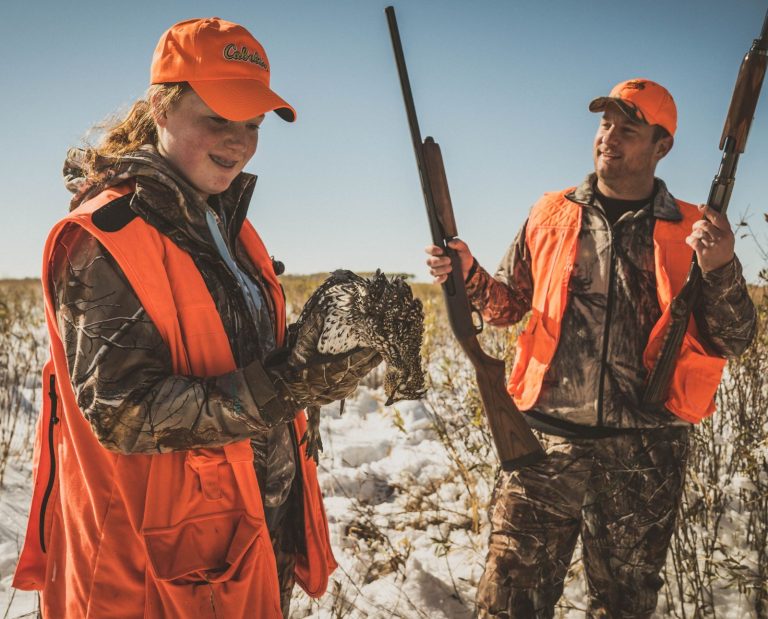
The Wisconsin DNR states that when and where a firearm deer season is in progress, it is illegal to hunt game besides waterfowl unless at least 50 percent of the hunter’s outer clothing above the waist is colored blaze orange or fluorescent pink. A hat or other head covering, if worn, must be at least 50 percent blaze orange or fluorescent pink. Project Upland recommends that you always wear blaze orange while hunting.
Wisconsin Hunting Dog Training Regulations
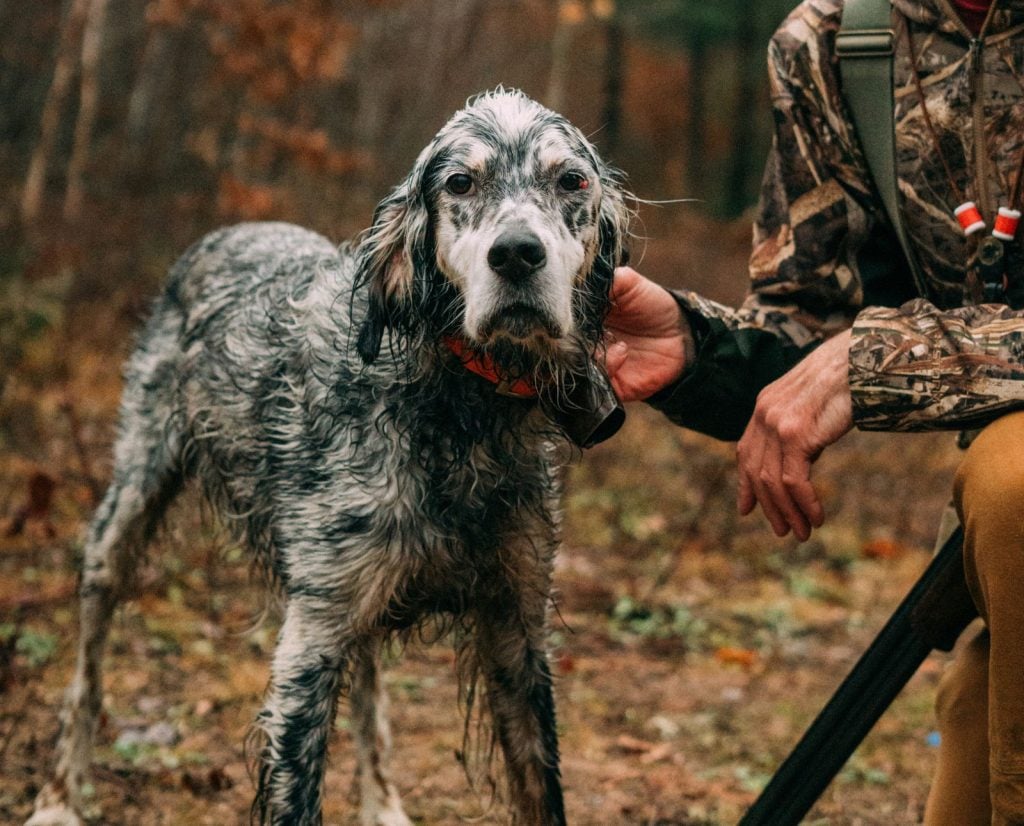
The WDNR allows dog training on state lands designated as Class I and Class II dog training grounds. The difference between the classes is that Class I grounds are open all year and trainers can use equines, and Class II grounds allow dog training but have specific regulations. For example, most Class II areas are closed to protect nesting birds from April 15 to July 31 each year. A map of Wisconsin’s dog training areas is available here, and you can view the list of dog training areas by county here.
If you are training with captive-bred quail, gray partridge, chukar, red-legged partridge, or pheasant, you will need a dog training license. Learn more about Wisconsin’s dog training license and fill out the application for one here.
Note that the northern third of Wisconsin has dog training restrictions to protect breeding, nesting, and brooding wild birds. The restricted area is the portion of the state north of the following highways (a map is also available in the 2025 hunting regulations):
- Highway 8 east to U.S. Highway 53
- U.S. Highway 53 southeast to Highway 64
- Highway 64 east to Highway 13
- Highway 13 south Marathon County to Highway 29
- Highway 29 east to U.S. Highway 22
- U.S. Highway 22 east to Lake Michigan
Within this zone, dogs may not pursue or train on wild birds from May 1 through June 30, except for raccoon and rabbit dog trials conducted under a WDNR training license.