

Five Tips for Better Sage Grouse Hunting
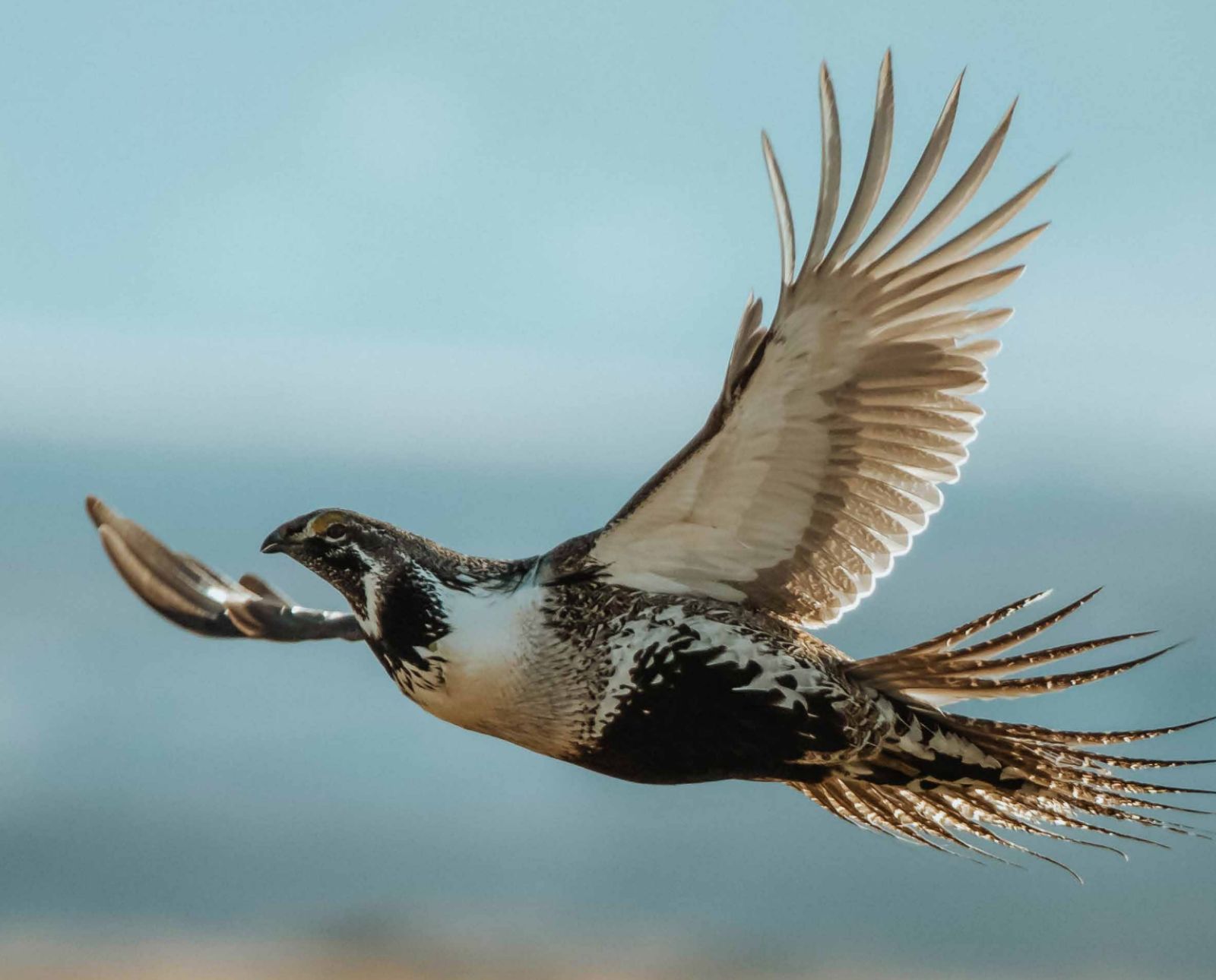
Strategic approaches to maximize hunting success while honoring the iconic sage grouse
“Miles make memories,” they say, and in wild bird country, there’s truth to that. But after years of hunting sage grouse across Wyoming’s endless backcountry, I’ve learned that walking smart matters more than walking far.
Sage grouse hunting isn’t like chasing your average upland bird. These birds are big, bold, and uniquely tied to the wide-open landscapes of the West. Hunting them is a privilege that requires both preparation and restraint. With populations under constant pressure and hunting opportunities becoming increasingly limited, every encounter with these birds should be approached with reverence and strategic thinking.
Whether you’re planning your first trip or coming back for another season, here are five refined approaches that have not only made me a more successful hunter but also a more ethical steward of this incredible species.
Study Bird Movement Patterns Through Patient Observation
Pro tip: If you spot birds in the evening, odds are good they’ll still be nearby come sunrise.
Scouting is often the difference between long walks and full vests. Sage grouse live in open country, and that gives hunters a real advantage: you can often find birds without ever stepping foot into their habitat.
Early morning and late evening are ideal times for observation, when birds are most active. Set up with good optics and a patient attitude. Over time, you’ll see birds begin to move in predictable patterns: small groups emerging from dense sagebrush roosts, methodically working their way toward more open feeding areas, then later in the evening, reversing course back to their preferred cover.
This kind of long-distance glassing reveals both where sage grouse are and how they move through their habitat. And it does more than save you time, this approach allows you to assess covey size and composition before making the decision to hunt a particular group. For instance, if you observe a small family group with obvious juveniles, you might choose to appreciate them from a distance rather than apply hunting pressure to birds that are still developing. This kind of intentional decision making supports the long-term health and sustainability of sage grouse populations.
Read Weather Conditions to Predict Bird Behavior
Pro tip: Watch the weather before and during your hunt and be willing to adapt.
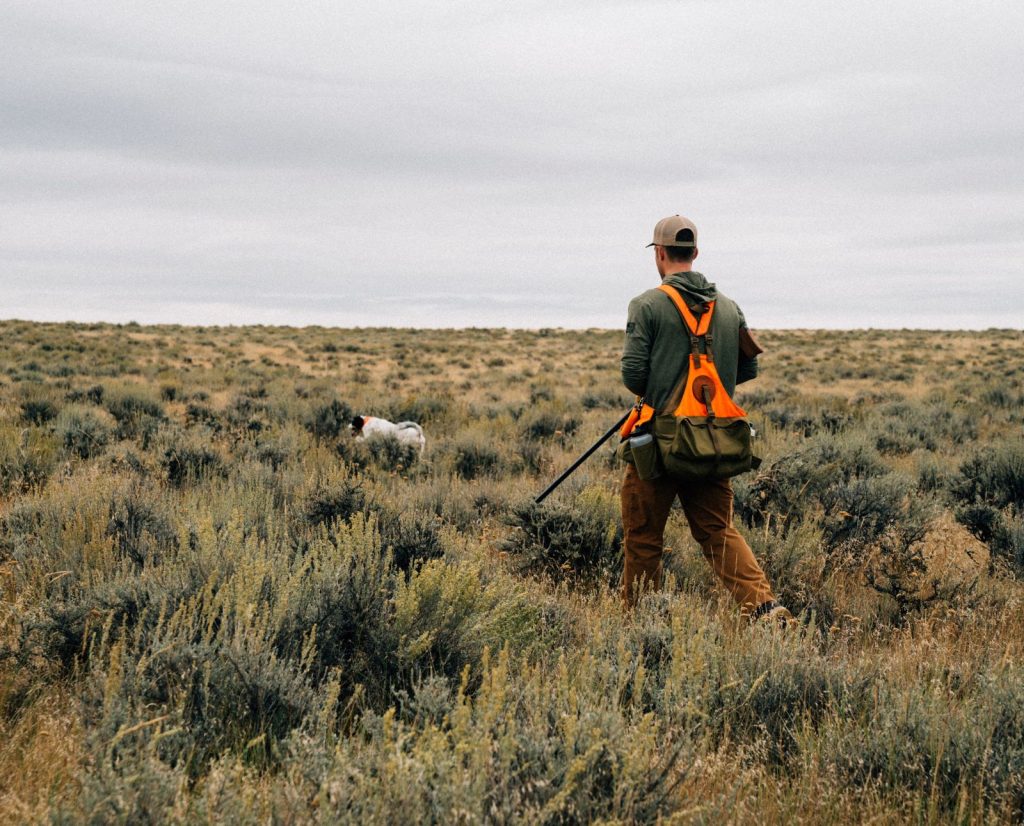
Understanding how weather shapes bird behavior is perhaps the most overlooked skill in upland hunting. Birds are remarkably predictable once you understand how they respond to changing conditions, and adjusting your strategy accordingly can mean the difference between success and disappointment.
Sage grouse are deeply connected to their habitat, and incredibly responsive to environmental changes. In hot weather, sage grouse become energy conservationists. They’ll stick close to food sources to minimize travel, seek shade under taller sagebrush, and remain relatively inactive during the heat of midday. On those scorching September afternoons, I focus my efforts on cooler draws or higher elevation benches with dense canopy cover and reliable water sources, hunting in the early morning and late evening when birds are more likely to move.
Cold, overcast days are different. Sage grouse tend to become more active throughout the day, covering more ground between feeding and roosting areas. But the real magic happens after rain. While sage grouse don’t enjoy being caught in the rain, the period immediately following a storm can offer exceptional hunting opportunities as they move into more open areas to dry off and feed.
Fall also brings subtle shifts to their diet. Early in the season, they key in on grasshoppers, forbs, and green grasses. As frost sets in, they lean into sagebrush leaves and shift into areas with thicker sage or south-facing slopes that hold warmth longer.
Knowing these things can help you choose when and where to hunt. The key insight here is that weather doesn’t just affect when birds move, but where they choose to be.
Master the Art of Working Scattered Coveys
Pro Tip: Hunt smart. One flush often leads to another if you play it right.
Sage grouse coveys don’t always rise together. Often, the most alert birds will flush first, while younger or more relaxed birds hold tight. I learned this lesson the hard way during some of my first seasons when I’d watch a spectacular covey rise, assume all of the birds were gone, and start walking away only to have my dog lock up on point again mere yards from the original flush site.
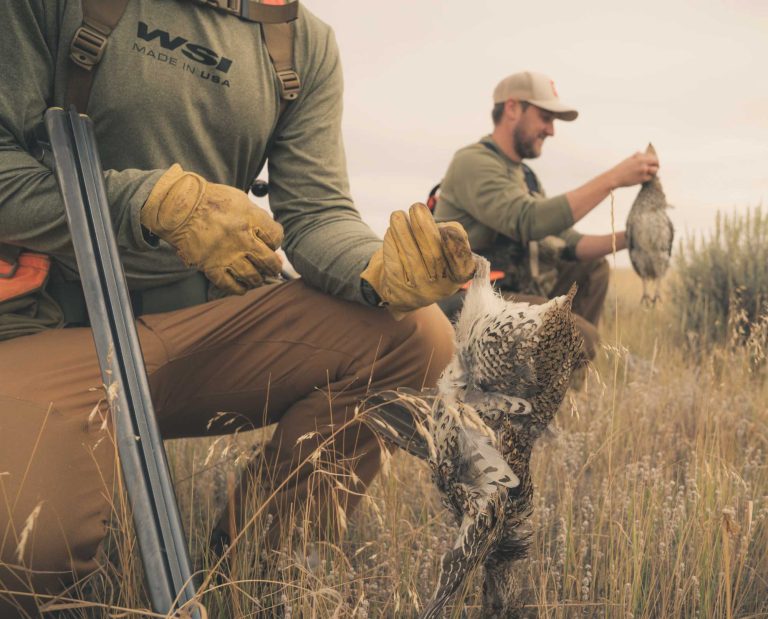
Now, I approach every flush with discipline. After the initial rise, I pause for a few minutes, then methodically work the area with my dogs. Scattered sage grouse will often hold tight individually, providing excellent opportunities for dog work and presenting more manageable shooting situations than the chaos of a full covey rise. These are the moments where dog work shines and where patience pays off.
READ: The Art of Hunting Sage Grouse Without a Dog
It’s tempting to shoot at the first bird that gets up, but often that bird is at the edge of effective range. Better shooting opportunities will develop closer to you. Patience during these moments—waiting for the right shot at the right bird—often results in cleaner kills and more ethical harvests. And those ethical decisions matter.
When you encounter a large covey, especially one that includes juveniles or appears to be a family group, consider your harvest carefully. Taking one mature bird from a group of eight is vastly different from doubling up on a covey of four. The principles of selective harvest become even more critical when hunting a species whose populations are carefully monitored and managed.
Build Relationships with Local Land Stewards
Pro Tip: Layer your clues. Combine local knowledge with physical signs and mapping tools to hone in on productive ground.
The most consistently successful sage grouse hunters I know aren’t necessarily the ones with the flashiest gear or the most athletic dogs. Instead, they’re the ones who have cultivated relationships with the people who live and work in sage grouse country. Local biologists, game wardens, ranchers, land managers, and local hunters possess invaluable knowledge about bird populations, movement patterns, and habitat conditions that simply can’t be gained from maps or scouting apps.
Building these relationships requires approaching local people with genuine respect and curiosity. Rather than simply asking where the birds are, engage in broader conversations about the land, the challenges facing wildlife, and the role of hunting in conservation. Many ranchers and landowners are passionate about wildlife stewardship and appreciate hunters who share those values.
These conversations also provide opportunities to give back to the communities that support sage grouse habitat. Whether it’s volunteering for habitat improvement projects, supporting local businesses, or simply being a respectful presence on the landscape, ethical hunters understand that we’re guests in these environments and should act accordingly.
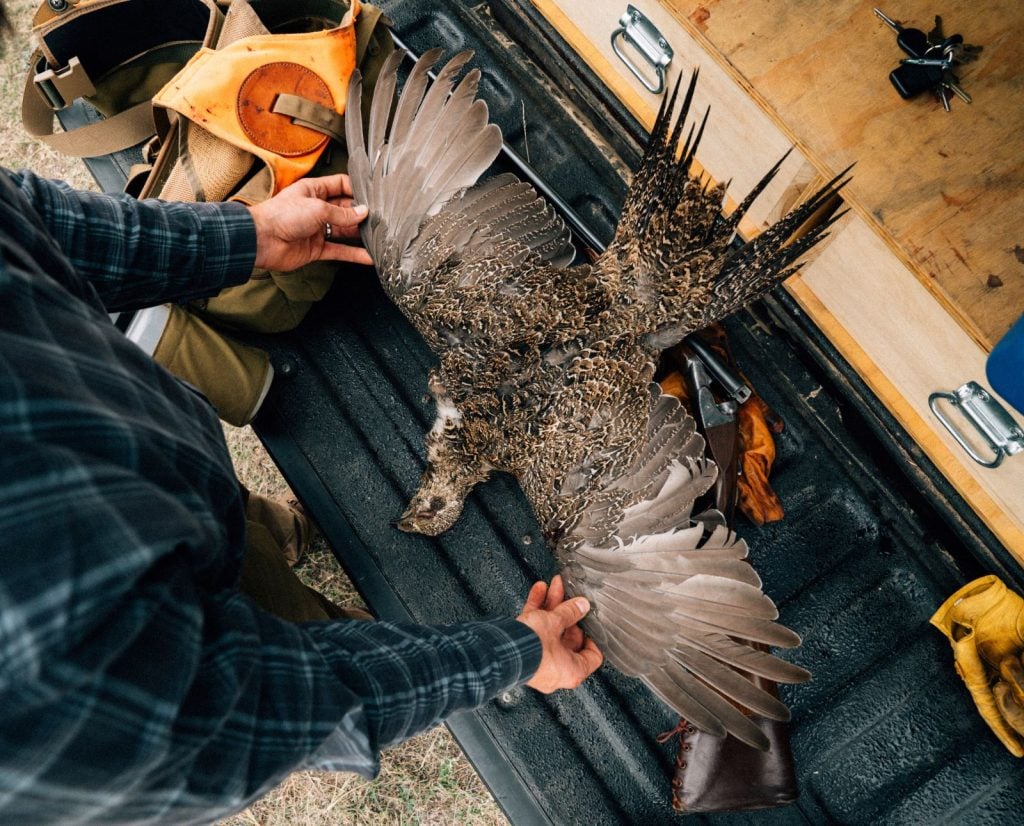
Hunt with Purpose and Restraint
Pro Tip: Take your time, respect the resource, and enjoy the hunt.
As I’ve matured as a hunter, I’ve come to understand that success isn’t measured solely by birds in the bag. Each encounter with sage grouse is a chance to connect with one of the American West’s most iconic species, to test your awareness in vast country, and to participate in a tradition that links us to generations of hunters who have walked these same sagebrush flats.
The future of sage grouse hunting depends on hunters who approach these birds with the reverence they deserve. This means hunting selectively, taking only what you need, and always considering the broader impact of your actions on local populations. It means choosing to observe rather than pursue when conditions suggest birds are stressed or populations are struggling.
LISTEN: Cheatgrass May Be The End Of Utah’s Sage Grouse
Most importantly, it means understanding that every sage grouse hunt is a privilege that should never be taken for granted. The vast landscapes these birds call home are under constant pressure from development, climate change, and human encroachment. As hunters, we have both the opportunity and the responsibility to be advocates for their conservation.
The satisfaction that comes from a well-executed sage grouse hunt—reading the weather correctly, positioning yourself along a movement corridor, working scattered birds with a steady dog, and making ethical shots on mature birds—is profound in ways that have little to do with harvest numbers. These are the moments that define us, not just as hunters, but as stewards, and they’re the experiences that will sustain sage grouse hunting for future generations.
When you step into sagebrush country this fall, remember that you’re not just hunting birds—you’re participating in a complex ecosystem, engaging with rural communities, and carrying forward a legacy that connects us to the wild places that still exist in our increasingly developed world.
Hunt with purpose. Shoot with restraint. And always remember that the true measure of success lies not in what you take, but in what you leave behind.