

The Art of Hunting Sage Grouse Without a Dog
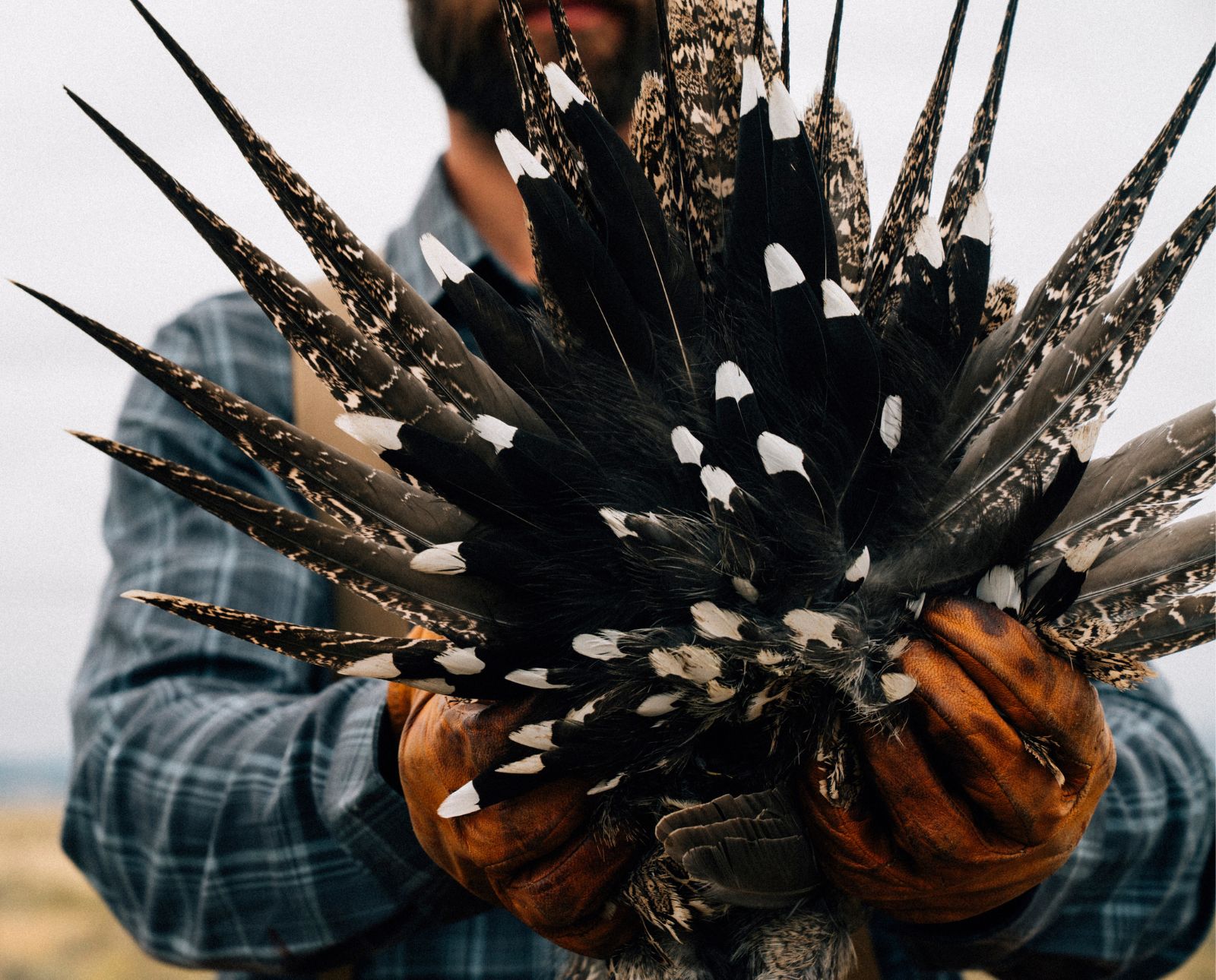
Skills, strategy, and ethics for when you’re sage grouse hunting solo
There are countless reasons hunters might find themselves hunting sage grouse without a dog. Maybe you can’t afford the time and financial commitment that comes with having a well-trained bird dog. Maybe apartment living or family allergies makes dog ownership impossible. Perhaps upland hunting isn’t your top passion, making the daily responsibility of dog ownership impractical. Or maybe you just don’t like dogs and are some kind of weird, unapologetic cat person.
Whatever the reason, it doesn’t matter. A dog isn’t a prerequisite for being a successful upland hunter. While a good pointing dog can certainly enhance the experience, hunting sage grouse without one is not only possible, but can also be deeply rewarding when approached with the right strategy and mindset.
Sage Grouse Are A Good Choice for Dogless Hunting
If you’re going to hunt a bird species without four-legged assistance, pursuing sage grouse is a smart choice. While you can hunt almost any bird without a dog, some are better suited for the endeavor than others. As a species, sage grouse possess characteristics that make them uniquely suited for solo hunting success.
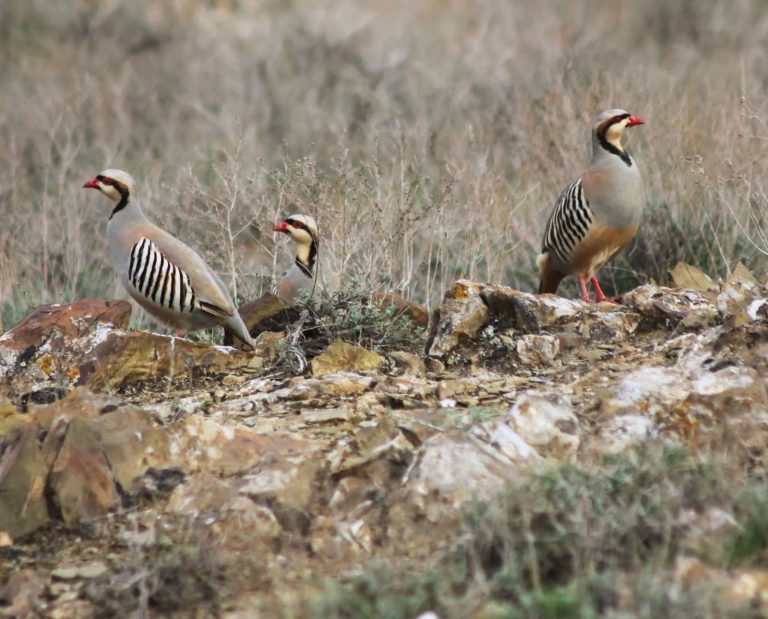
Sage grouse are often primed to cooperate a little more without a dog on the ground. Unlike the explosive flushes of chukar or the unpredictable nature of Hungarian partridge, sage grouse tend to hold longer when approached carefully. Their size works to your advantage as well. They’re substantial birds that are easier to spot and track than smaller upland species. More importantly, sage grouse are creatures of habit and surprisingly consistent in where they spend their time. In other words, they are reliable. Once you locate productive habitat, you can often return to the same general areas season after season, or at least until hunting pressure or habitat changes push them elsewhere.
This predictability is crucial when you’re relying solely on your own eyes and ears to hunt. Rather than covering endless miles hoping to stumble across birds, you can focus your efforts and refine your approach based on observed patterns.
Do Your Homework Before You Hunt Sage Grouse
In any upland pursuit, success begins long before you load shells into your shotgun. Without a dog’s nose to locate birds, pre-hunt homework becomes exponentially more important.
Start with habitat identification as the foundation of your hunt. You could easily spend countless hours searching for birds if you don’t know where to look or what to look for, and if you can’t find them, you can’t hunt them. Sage grouse require specific habitat conditions, like vast expanses of sagebrush, areas free from tree encroachment, and proximity to seasonal food sources. Use digital mapping tools like onX Hunt to identify areas and mark potential hunting zones along water sources, known lek sites, and access points.
Lek locations can be of particular value. While sage grouse don’t use these breeding grounds outside of spring, they typically remain within a mile or two of established leks throughout the year. Because sage grouse have fidelity to these sites, they can serve as excellent starting points for your search patterns if you start near them and spiral outwards.
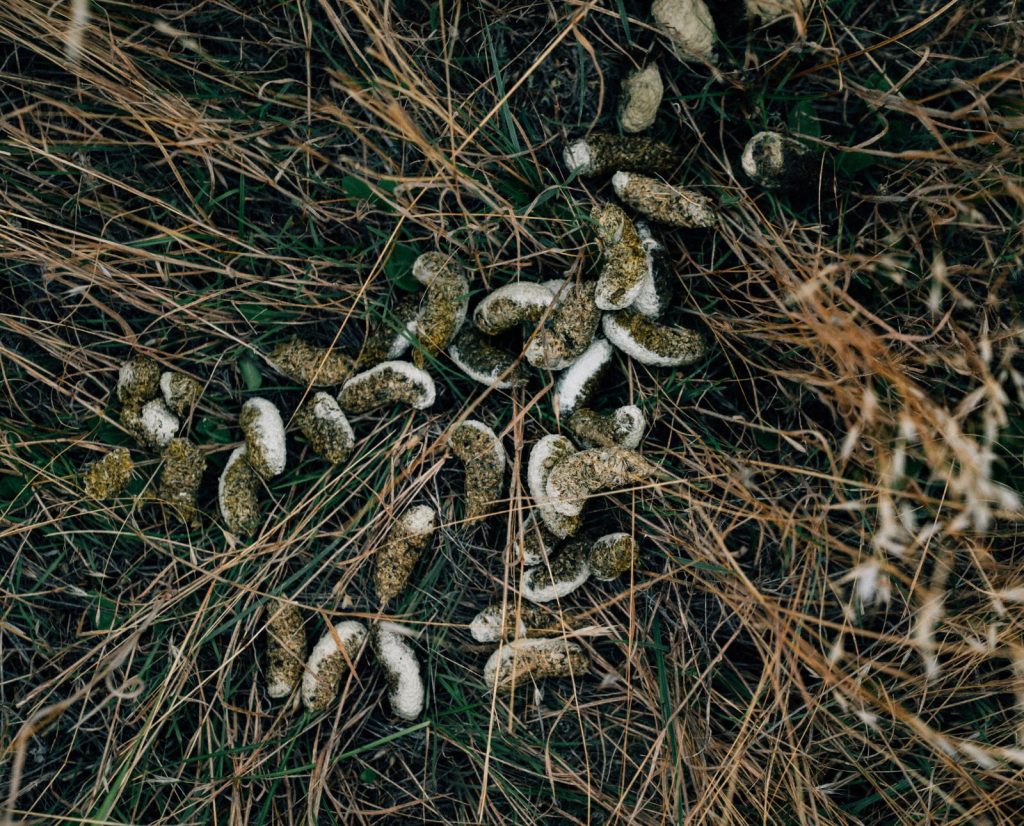
Once you’ve done your homework, lace up and put boots on the ground. Look for the holy trinity of bird sign: tracks, molted feathers, and, most importantly, fresh droppings. Sage grouse scat is distinctive and tells a story about recent bird activity. Fresh, wet droppings indicate a recent presence, while the transition from summer to fall diets changes the appearance and consistency.
Tips For Spotting And Approaching Sage Grouse
Without a dog’s keen nose working ahead of you, you have to move and think differently. That means slowing down dramatically, reading the terrain, and using every advantage you can find.
In wide-open sage country, driving dirt roads through identified habitat can be productive. Sage grouse are most active at first light and in the last few hours before sunset. Use your vehicle as a mobile observation platform during these prime activity periods by driving slowly and stopping frequently. Keep an eye out for birds moving to and from feeding spots, especially near wet meadows, springs, or stock ponds surrounded by good cover. In September heat, they tend to stick close to food and water, often loafing in the shade underneath taller sage. Use your truck to cover ground and then observe birds from a distance to locate their preferred travel corridors. Understanding their intentions allows you to position yourself along their route rather than simply chasing them.
Without a dog, your ears are just as valuable as your eyes. Move quietly, pause frequently, and listen for the subtle sounds that might alert you to a sage grouse’s presence: the soft coo of a wary bird, the faint rustle of wings, or the almost inaudible scratch of feet on rocky ground. Moving too quickly risks spooking birds or walking right past them.
When approaching observed birds, use terrain features to your advantage. Don’t rush it. Sage grouse have excellent eyesight but will often hold if they believe they remain undetected.
Ethics And Patience In Shot Selection And Bird Recovery
The moment of truth in all upland hunting comes with the flush and the critical decisions that follow. Without a dog to help with recovery, every shot must be deliberate. Every downed bird must be your absolute priority. Hunters who put in the effort to recover downed game are top shelf, and that statement has nothing to do with whether or not said hunters have a dog.
READ: How to Recover More Birds Without a Dog
When a covey flushes, fight the urge to take the first shot you see. Sage grouse don’t always get up together, and the first bird up is often on the edge of your effective range. Patience during these moments can present closer, more manageable shots.
Shot placement becomes critical when you’re solely responsible for retrieval. Understand your gun’s capabilities and your own shooting limitations. A wounded sage grouse can travel surprising distances, and their mottled gray-brown feathers provide exceptional camouflage even in relatively open terrain—so much so that they can seem invisible in the undergrowth even when they are only a few feet away.
The moment you fire, immediately mark your bird’s fall with precise landmarks so you don’t lose track of it. Lock your eyes on the exact spot and identify multiple reference points. Don’t shoot again until you’ve recovered the first bird. This discipline might cost you additional opportunities, but it ensures ethical hunting practices. Losing two birds is far too easy if you split your attention.
If you lose sight of a bird or arrive at the spot that you marked only to find nothing, stop and work that area in a methodical grid before moving on. Recovering birds without a dog takes patience and discipline. Ethics matter, dog or no dog, and it’s your responsibility to make every effort to retrieve what you shoot.
Hunt With Purpose And Respect
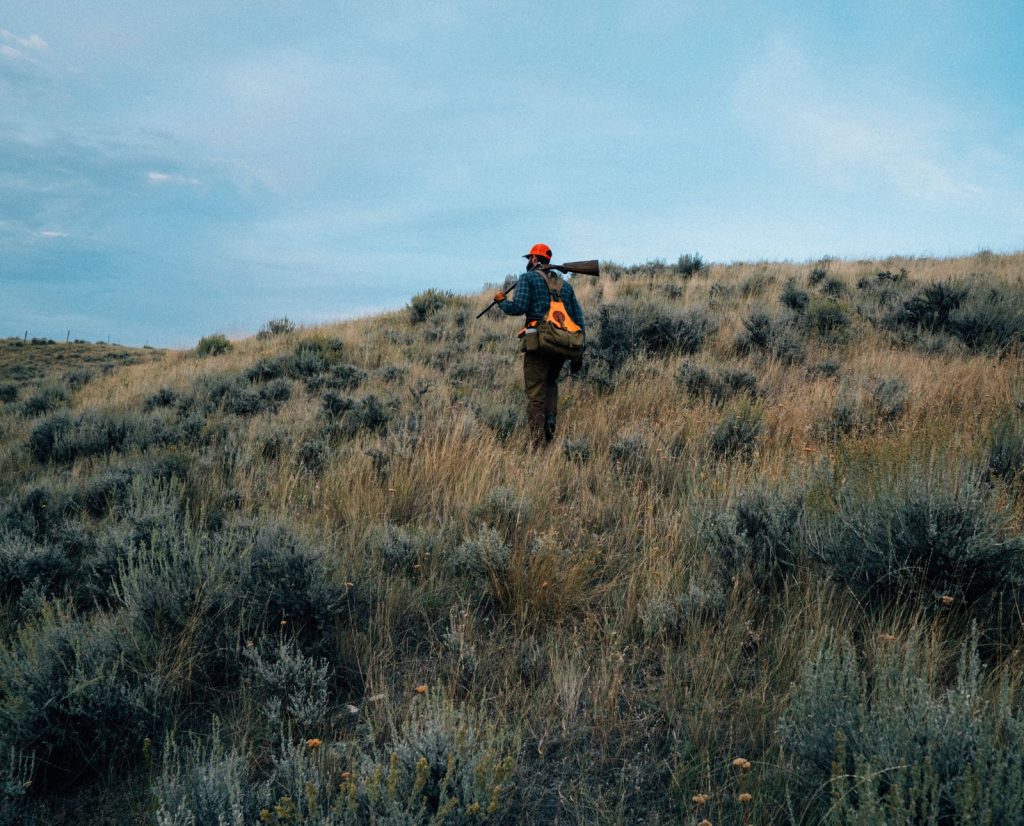
Hunting sage grouse without a dog is a labor of love. It strips away many of the sport’s conveniences, demanding more from you as a hunter and as a conservationist. This increased challenge brings its own rewards; a deeper connection to the landscape, heightened awareness of bird behavior, and the satisfaction that comes from success earned through preparation and persistence.
Some days, you’ll return to your truck with a full limit. Other days, you’ll walk away empty handed. And that’s okay. Having a good dog makes it sweeter, sure, but if you don’t have one, don’t let that stop you. Upland hunting without a dog is still absolutely worth it.
Remember that sage grouse hunting, regardless of method, is a privilege extended to increasingly few hunters in fewer locations each year. Scout thoroughly, shoot clean, recover everything, and always leave the landscape better than you found it. Whether you hunt sage grouse with a dog or not, hunt with intention and respect the resource. These birds and the places they live deserve nothing less.