

How to Hunt Pressured Pheasants on Public Land
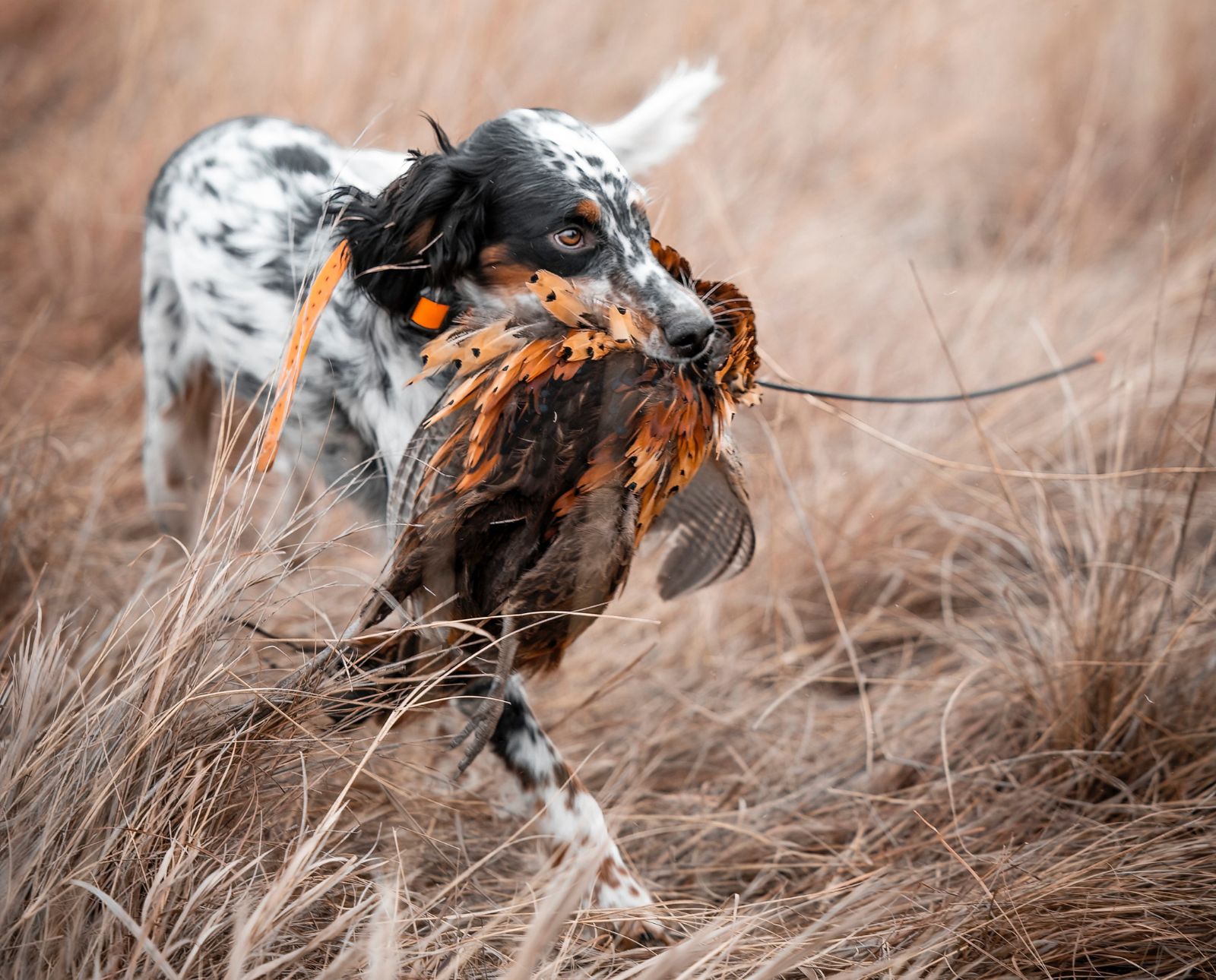
When hunting educated pheasants, lower your expectations and try hunting alone, targeting overlooked habitat, and using fresh snow to your advantage.
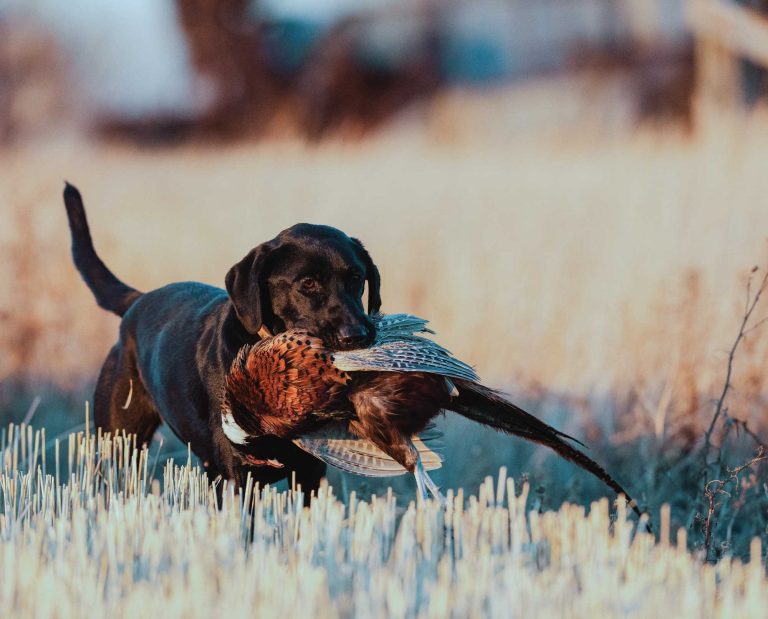
I have a love-hate relationship with ring-necked pheasants. When one of my dogs trails a rooster for 50 yards, then locks up rock solid, pinning the bird within a few feet of his nose, it’s glorious. As the colorful bird erupts from the grass and emits a cackle as a string of 6 shot ends his flight, it’s pure bliss. That type of encounter is the love part of our relationship. And for anyone hunting pressured pheasants, especially on public land, these moments are rare.
However, the hate part is much more common. One of my dogs begins trailing and I hustle to keep up. After one hundred yards, we lose the trail. As I gasp for air, watching the dog try to recover the scent path, a rooster erupts 87 yards to my right and cackles for what sounds like an eternity, making sure I know he outplayed us. It’s these types of encounters with educated birds that make the successful moments that much more satisfying.
If you’re hunting pressured pheasants at any point in the season, here are a few things you can try to increase your odds of success.
Key Tactics for Hunting Pressured Pheasants:
- Hunt alone or in a small group
- Target overlooked pheasant habitat
- Use fresh, powdery snow to track birds
- Expect fewer flushes and harder shots
What is a Pressured Pheasant?
Considering that a significant proportion of pheasant hunters don’t have access to private land, hunting publicly accessible lands is often the only alternative. As a result, most public lands receive much higher hunting pressure than private lands, resulting in educated pheasants. Sometimes this education can occur rather quickly in areas that receive hundreds of man-hours of hunting pressure in the first week of the season. In other cases, it takes most of the season, but eventually, the remaining pheasants have been harassed enough to learn the most effective evasive maneuvers.
Hunt Pressured Pheasants Alone or with a Small Party
Noise and consistent hunting patterns are two factors that can immediately force a pheasant hunt to failure. Larger parties are louder, there is just no way around it. Even large parties that don’t yell at dogs, don’t slam tailgates, and try their best to be quiet make more noise just moving through the cover than a pair of hunters.
READ: Avoiding Common Pheasant Hunting Mistakes
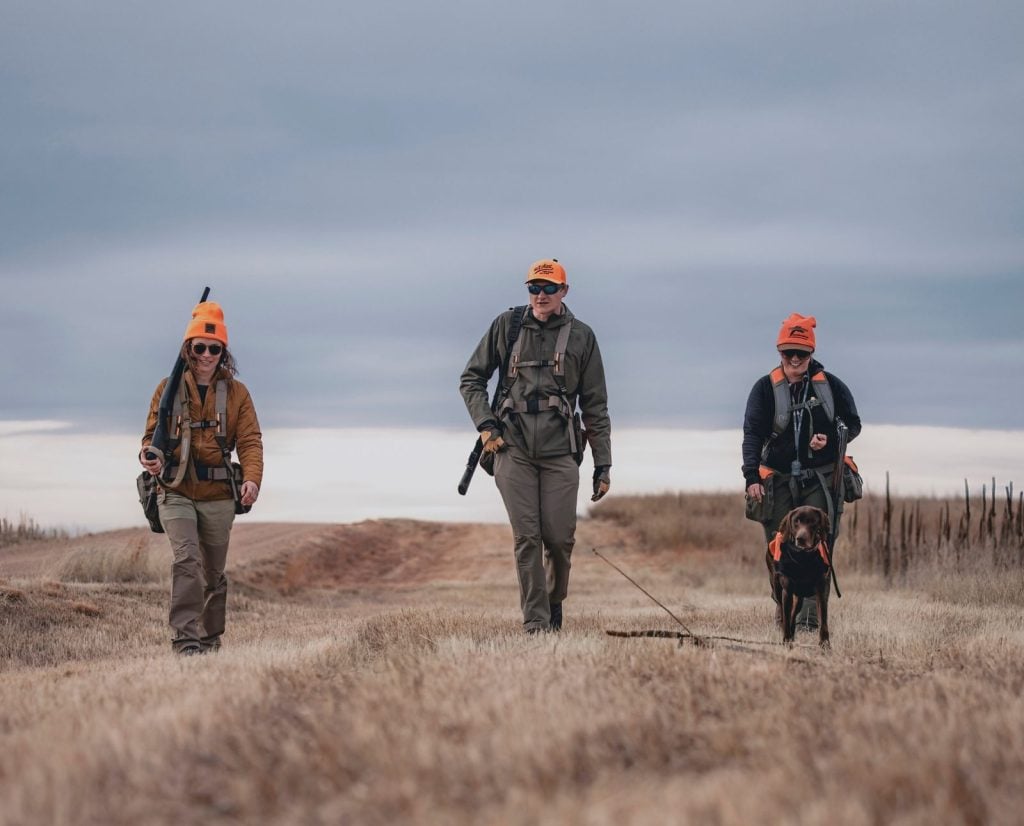
Additionally, larger parties tend to walk fields the same way and in the same pattern. Some of this is out of safety, needing to stay in a line so shooting lanes remain clear to everyone involved. When hunting alone, or with one other person, hunters have the ability to follow the dog when they cut the trail of a sneaky rooster veering off to its predetermined escape route. I have killed a lot of pheasants over the years hunting alone and trusting the dog. Sure, some of those trails end with a hen flush. It’s still exciting and good work for the dog. But those that end with a cackling rooster flush within gun range are incredibly satisfying.
Hunting alone or with one other buddy also allows the flexibility to hunt any size of habitat. A large Conservation Reserve Program (CRP) field can seem intimidating, but just trusting the dog and wandering aimlessly into a large field can pay off with a bird or two in the bag. On the flip side, having a small hunting party opens the door to hunting isolated pieces of cover like an old homestead surrounded by weeds or a narrow waterway lined with cattails. These smaller pieces of habitat are often ignored by the orange army and a few birds find solace in these types of places.
Find Pressured Pheasants in Overlooked Habitat
I alluded to this strategy with the last couple sentences above. However, this is probably the most critical component to finding success on pressured pheasants. Sometimes you must toss all the typical pheasant holding habitat out the window and start considering locations that you would normally never hunt.
Timbered areas that have pockets of downed trees or openings with scattered grass cover can hold birds that have become refugees from their normal hangout. Cedar thickets or areas with large brush piles will hold a few birds. Thick, brush covered areas along the edge of a lake or wetland are other places I’ve seen pressured pheasants call home.
Are these areas easy to hunt? No. Does hunting spots like these result in easy shots? No. But hunting these spots and flushing some birds in hopes of a shot or two sure beats walking a CRP field that has been walked 17 times in the last month and hasn’t had a rooster living in it for a week or more.
I’ve mentioned this in many other articles, but looking for isolated habitat that requires a dead head walk in and out is another good option. I often find these types of locations result in one of three outcomes: 1) no birds are seen, 2) one bird is seen and it’s almost always a rooster, and 3) an explosion of pheasants erupts because no one has set foot in this spot in weeks. Some of the most common places I have success with this strategy is when hunting state leased “walk-in” properties. Look for parcels where a large crop field adjoins the road, and the only pheasant habitat is a half mile walk or more across the crop stubble.
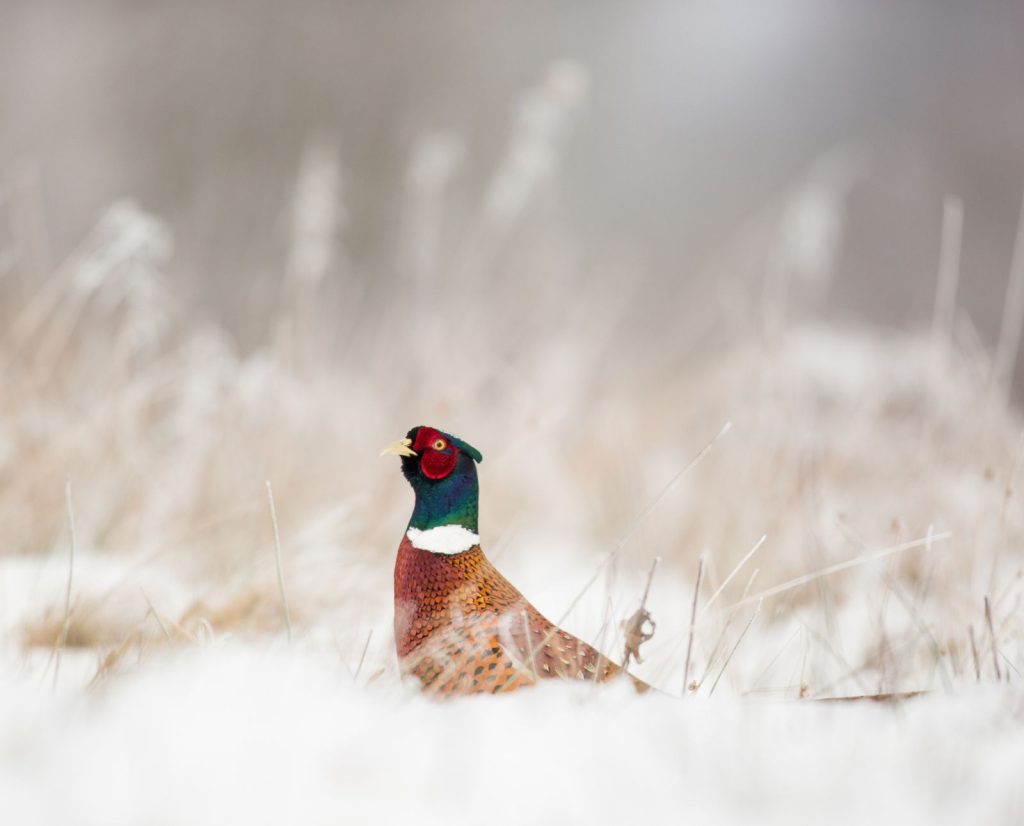
Use Snow to Your Advantage
If you are on an out-of-state trip, you are at the mercy of whatever weather Mother Nature throws your way. But if you have the flexibility to hunt pheasants whenever you want or can adjust your trip dates, waiting for fresh snow can be a game changer.
Snow provides two advantages to the hunter. First is the ability to see tracks and know pheasants are in the area. But beyond just knowing pheasants are in the habitat you are about to hunt, if the snow is extremely fresh, you can follow tracks until you finally catch up to the bird or your dog cuts the trail. This is the second advantage: fresh snow slows pheasants down and reduces their ability to run. I have combined this technique with the aforementioned “follow the dog” strategy to bag several roosters on pressured public land. I simply follow tracks from a feeding area back to a loafing area, at which point the dog usually gets a sniff and begins tracking for me. In fresh snow, this often results in a solid point and flush.
READ: Late Season Pheasant Hunting Tips
It’s important to note that not all snow is created equal. Powdery snow is ideal, but snow with a crust on top can flip the script and provide the wily rooster the advantage. They can run on top of the snow while you and your dog break through with every step, making lots of noise and not gaining any ground on the running rooster.
Set Realistic Expectations When Hunting Heavily Pressured Birds
If you are hunting an area with heavy hunting pressure, you are already at a huge disadvantage. Lots of birds have already been packed out in hunting vests. Others have been crippled and fell victim to predation or the elements. The few roosters that remain are as wary and wily as a mature whitetail buck. Killing limits of educated roosters is an unrealistic expectation, and you may only get dog work on hens. Consider that a win and celebrate the opportunity to get dog contacts on wild birds. Every once in a while, one of those highly educated roosters will flush in gun range. For anyone hunting pressured pheasants, every rooster is a serious accomplishment and should be revered as such.