

Season-long Strategies for Sharp-tailed Grouse Hunting
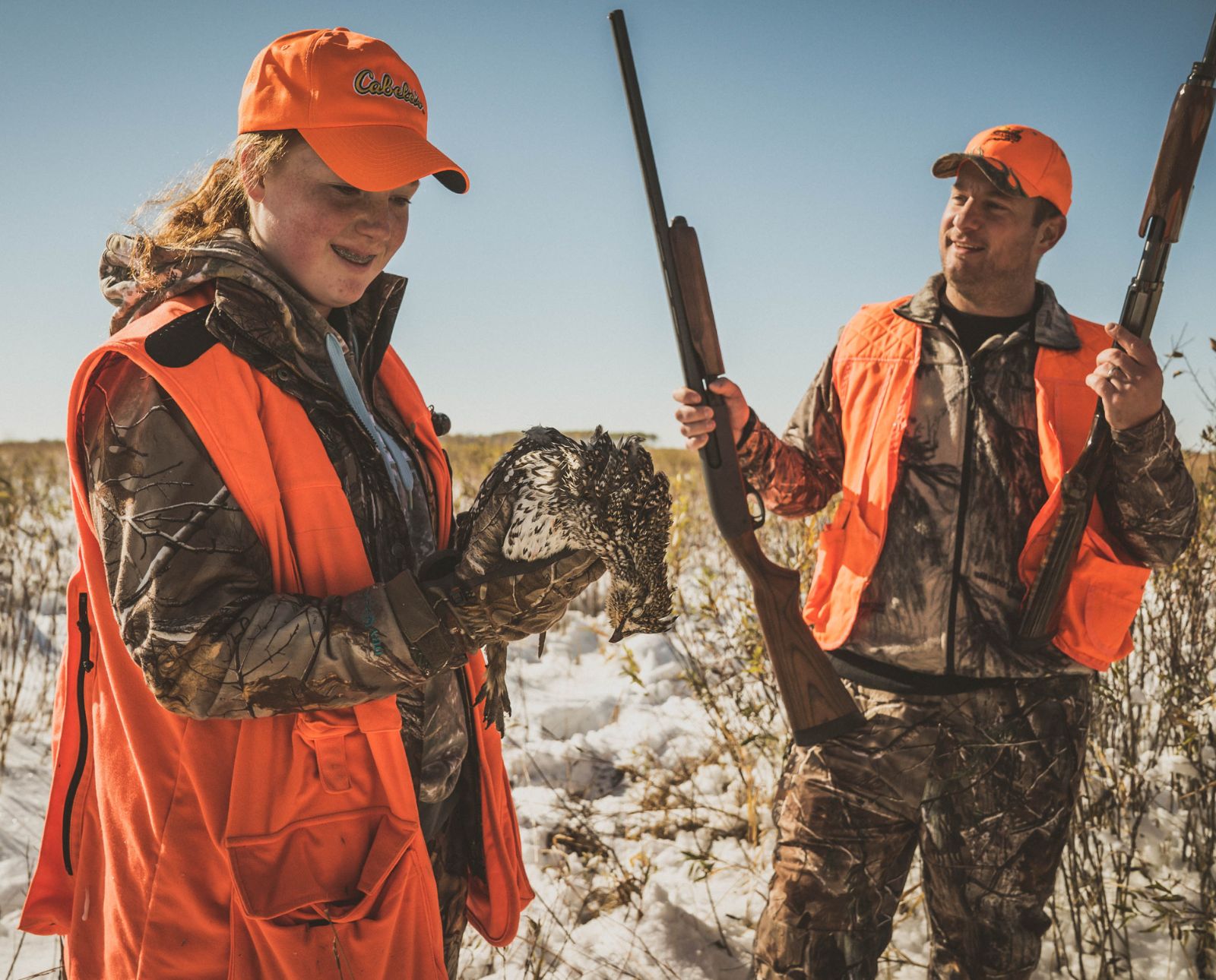
Over the course of their long hunting season, sharp-tailed grouse change their patterns based on weather, food sources, and available cover
Sharp-tailed grouse have a long, extensive season in much of their range. As a result, hunters have the opportunity to pursue this prairie bird during a variety of conditions. September’s hot temperatures greet early season hunters, yet plenty of sharpie harvest occurs when the snow flies during winter. Wind and snow can be factors, in addition to changing food sources, that can affect where sharp-tail hunters should begin their quest.
If you plan to hunt sharp-tailed grouse this season, plan your hunts around the weather, wind speed, types of food available, and whether or not there’s snow.
Finding Sharptails During the Early Season
Many states open their sharp-tailed grouse seasons in early September. This often results in hunters pursuing birds in blistering temperatures. An upside to hunting early season is birds are often found in small groups or even singles or pairs. Approaching a single or pair is much easier than a large flock, which is more common during the late season.
But one key factor to consider with early season sharptail hunting is the habitat type you plan to hunt. Birds living in extensive prairie landscapes behave much differently than those living amongst a myriad of cropland and pasture.
READ: The Complete Guide to Sharp-tailed Grouse Hunting
When pursuing early season sharpies in the prairie, look for shade during midday hours and grasshoppers during early and late feeding times. Prairie birds will continue to dine on invertebrates, particularly grasshoppers, until a killing frost terminates this high-protein food source. When afield during early morning hours or late afternoon, look for areas rich with grasshoppers. These insects can typically be found in forb-rich locations. In opposition to their name, grasshoppers spend much more time feasting on broadleaf plants like ragweed and alfalfa than they do consuming grass.
When afield during brutal early season temperatures in prairie landscapes, look for birds loafing near junipers, pine savannas, snowberry thickets, shelterbelts, and scattered olive trees midday. These areas are intensively utilized in some western states, to the point that I have intentionally waited to pursue sharpies midday when the temperature climbed above 80 degrees. The birds were so predictable, I flushed double-digit numbers of birds in less than an hour walk multiple times.
Observe Fields of Standing Crops During the Early Season
A landscape of scattered pasture, cropland, and Conservation Reserve Program (CRP) fields can be a little different to hunt during early season in hot temperatures. Oftentimes, crops have not been harvested in September, particularly in a state like North Dakota. Sunflower and corn fields can provide a shady refuge while offering an ideal food source at the same time, resulting in birds leaving pastures where they were raised and staying in standing crops all day. This makes early season hunts difficult.
That said, if you observe birds flying out of a standing crop field into a grassland-dominated area to roost at dusk, you can attempt an ambush them at dawn the following morning. Grouse rarely leave the roost at dawn, so you might be able to make a quick pass through the roosting area soon after shooting hours begin and manage to flush some grouse prior to their exodus.
Wind Makes Sharptails Skittish
Windy conditions are common where sharp-tailed grouse abound, and wind typically makes sharpies skittish. Assumedly, their inability to hear causes them to remain on high alert, and they flush at the first sign of danger.
When pursuing these grey ghosts in prairie landscapes on a windy day, I often find birds hunkered on the leeward side of hilltops. Oftentimes there will be a bowl on the side hill of a hilltop, particularly in areas like the sandhills of Nebraska. It’s these bowls that offer refuge from the wind. Hunters can use this preference to their advantage by wrapping hills around the side, rather than cresting over the top, in hopes of sneaking up on birds sheltering in those wind-broken locations.
Sharp-tailed Grouse Switch Food Sources After the First Freeze
The vast majority of sharp tails are raised in grassland/pasture habitats. They spend the entire summer feeding on invertebrates, particularly the aforementioned grasshoppers. But when freezing temperatures arrive, this food source becomes non-existent, resulting in an immediate shift. In prairie landscapes, this shift results in a focus on plants like rosehips, snowberry, and various forbs. If you find yourself afield in a prairie after a killing freeze, look for plant species that offer high-energy food sources, regardless of the time of year.
In areas where pasture ground is interspersed with cropland, I have found some birds remain in pasture habitat early in the season while others shift to crops. Other birds switch soon after opening day, long before any killing frost. Regardless, when the first freeze hits in this type of dissected habitat, most birds will shift to crops, even if that means moving two to three miles.
READ: How to Identify the Difference in Prairie Grouse on the Hunt
Look for birds using wheat, sunflower, or corn stubble. Birds in these stubble fields can be a challenge to approach within shooting range. However, sharpies using crop stubble will often spend midday loafing in waterways, grassy field edges, or another herbaceous habitat located close to the crop field they are utilizing. This presents an opportunity to successfully approach birds that are resting during midday hours, digesting waste grains stored in their crop from an early morning feeding.
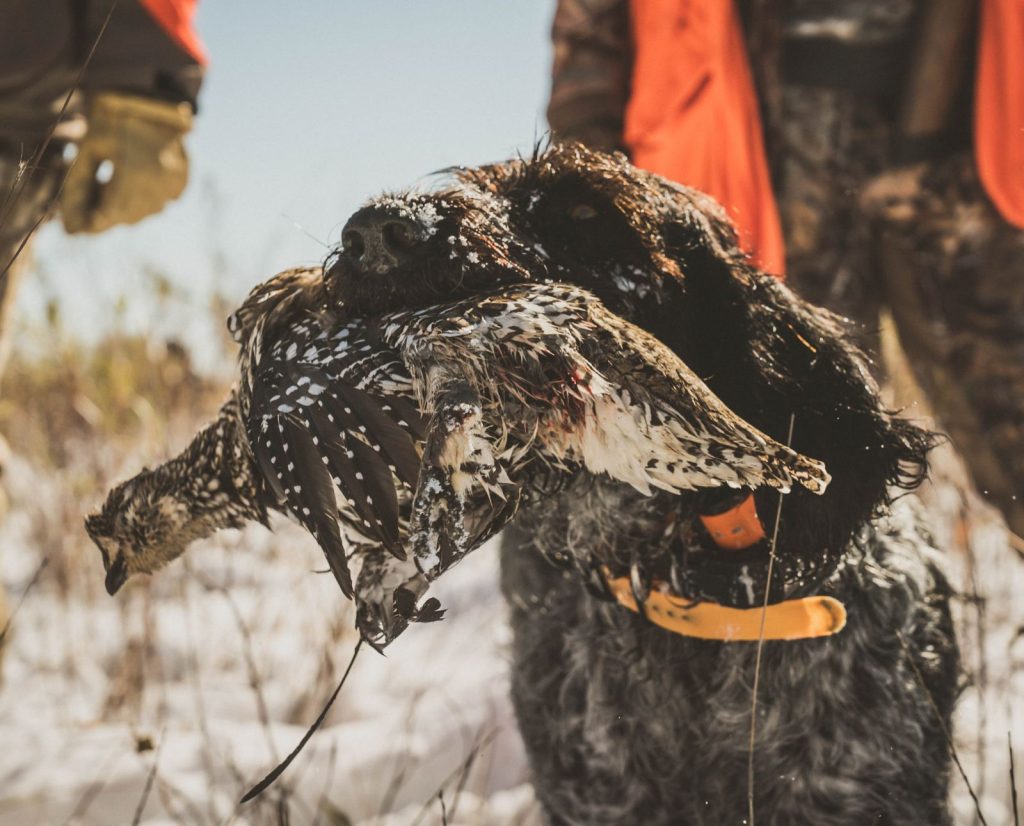
Sharptails Prefer Tall, Thick Vegetation in the Snow
Sharp-tailed grouse prefer habitat that is no taller than their eyes, thus allowing them the ability to see oncoming threats. However, late winter can render their typical hideouts obsolete.
During snowy conditions, I’ve seen sharpies occupy a wide variety of haunts. In Nebraska, I observed birds escaping snow by roosting in tree rows of pine and juniper, offering opportunities for hunting at dawn and dusk. I’ve also seen snow force birds into taller, denser habitat than normally preferred. CRP is typically too dense and tall to harbor many sharptails, particularly during the early season. However, when the snow flies and prairie or pasture habitat becomes blanketed in white, birds will readily shift to CRP fields where taller, thicker vegetation abounds. Many northern CRP fields have been interseeded with alfalfa. Sharptails consume alfalfa leaves throughout the year where available, thus adding more attraction to these CRP fields during the late season when harsh conditions are present.
Flock Sizes Increase From Fall to Winter
Another shift that occurs late season is flock size. I mentioned earlier that one of the benefits of hunting during the early season is that flushes of singles and pairs are common. Late season typically results in larger flocks of sharptails, which can result in extreme difficulty in getting within shotgun range. Flocks of 10 to 30 birds are common during this time, which means many more eyes on the lookout for approaching danger. Hunters who find birds that have been forced into taller vegetation due to snow or harsh weather often reap the benefits of their inability to see approaching danger.
Whether you find yourself pursuing sharp-tailed grouse during September or January, keep in mind that environmental conditions will dictate where these birds may be found any given day. Heat, wind, changing food sources, and snow will force birds into specific habitats in order for them to survive. Use this intel to make decisions on where to begin your pursuit. It may add an extra bird or two to your vest someday.