

Ode to Spruce Grouse: Hunting Spruce Grouse in Montana
A lyrical reflection on hunting spruce grouse in Montana’s mountain landscapes from the winter 2025 issue of Project Upland Magazine.
This article originally appeared in the winter 2025 issue of Project Upland Magazine.
Spruce grouse are birds of many names, but only a fool would name one a fool’s hen. The same fool, in a different time, called the buffalo dumb, and look where that got us.
A slightly more deranged fool would call the birds Franklin’s grouse. The last time I saw a spruce hen, there was no leash from her neck leading to Franklin’s wrist. With him being dead so long and the grouse still being here, no bird is Franklin’s now.
The last spruce grouse I came across was in the thick band of timber draping off a mountainside to a creek. I went there for spruce grouse the same way others drive to sorghum fields for pheasants and aspen clones for ruffies.
I parked where the elk hunters parked and dove into the mess of moss-curtained, resin-jeweled forest, searching for a bird that would not flush to announce its presence. Typically, one walks into spruce grouse, which, here in the Lower 48, usually happens when one is not looking for a spruce grouse but instead hiking a peak, picking huckleberries, or climbing higher for dusky grouse, giving the illusion that spruce grouse are blanketed across the landscape, waiting for their demise.
Yet when one walks for spruce grouse by following ridgelines and timbered flats instead of trails or driving roads, they appear scarcer. Because of their lack of flightiness, they often behave like the most savvy ruffed grouse, staying pinned to the ground as the hunter walks past. But the spruce does not lay down with its throat to the fallen needles. It poses, watching the oblivious bipedal creature pass by. The fear of our shape hasn’t formed in their brains, which are instead occupied by hawks and owls.
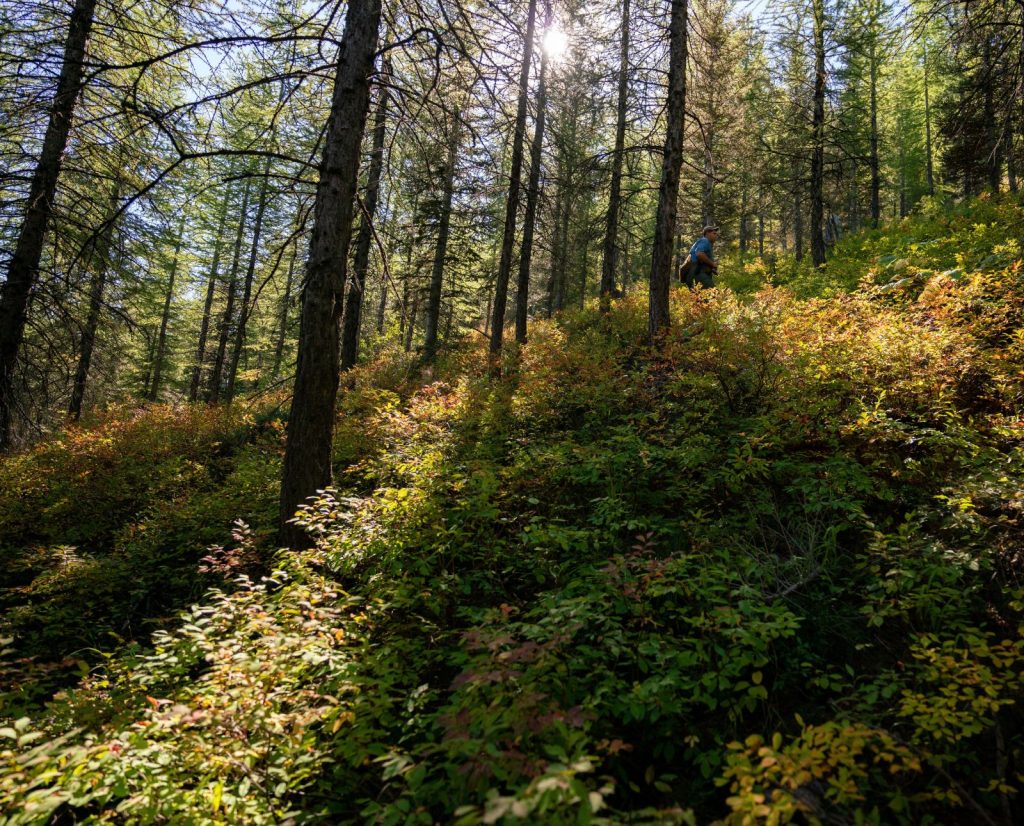
I had stumbled my way through the blowdown to where the sun struggled between the spruce boughs. I squeezed my way into the cover, searching for a head or wing to break the lines of standing and fallen trees. Unlike dusky or sharp-tailed grouse hunting, where a hunt can be measured in miles, a morning of hunting spruce grouse is measured in steps—a slow creep to, hopefully, tread into a grouse.
As I crested a rise that would take me out of the spruce, I caught an eye peering at me. So sudden was the bird in its materializing that my breath caught behind my closing teeth in predatory reaction.
Despite common stereotypes, spruce grouse will flush, and will often do so into a nearby tree. This is to the disgruntlement of hunters looking for a wing shot, as eight feet is hardly enough of a rise when unprepared. If a hunter owns a dog, they will usually find the bird already in the tree when they approach, since the bird understands that dog-shaped beings cannot climb pines.
Still, once the bird is in the tree, the confident hunter strolls over to the seemingly obvious conifer to reflush the bird and, unless the branch is bare, is surprised by the simple fact that the bird has survived for millennia because of its ability to fly into trees and disappear. The second and third guessing begins: Is this indeed the tree the bird lit into, or was it another? Wouldn’t I be able to see the bird? The boughs aren’t that thick.
The hunter tries different angles at different distances, lies on the ground and peers up, shakes the tree, shakes adjacent trees, tries to climb the tree, and throws limbs. And once the hunter has exhausted all patience searching, the grouse will likely exit from a different tree, flying farther than one would care to follow.
Having lived that scenario, I tried to close the distance between the bird and me quickly. The cock bird began to move away toward the ridge and leapt onto a downed log, his red eyebrow a blush in the shadowed world. The dexterous spruce limbs pulled at me as I advanced, and as he lifted, I missed low, not able to bring my gun all the way up to meet his rise. Even within the dome of sound my twenty-gauge discharge formed, I heard the bird’s wings making for the ridge. He disappeared before I found him again with my bead, and I scrambled toward the break.
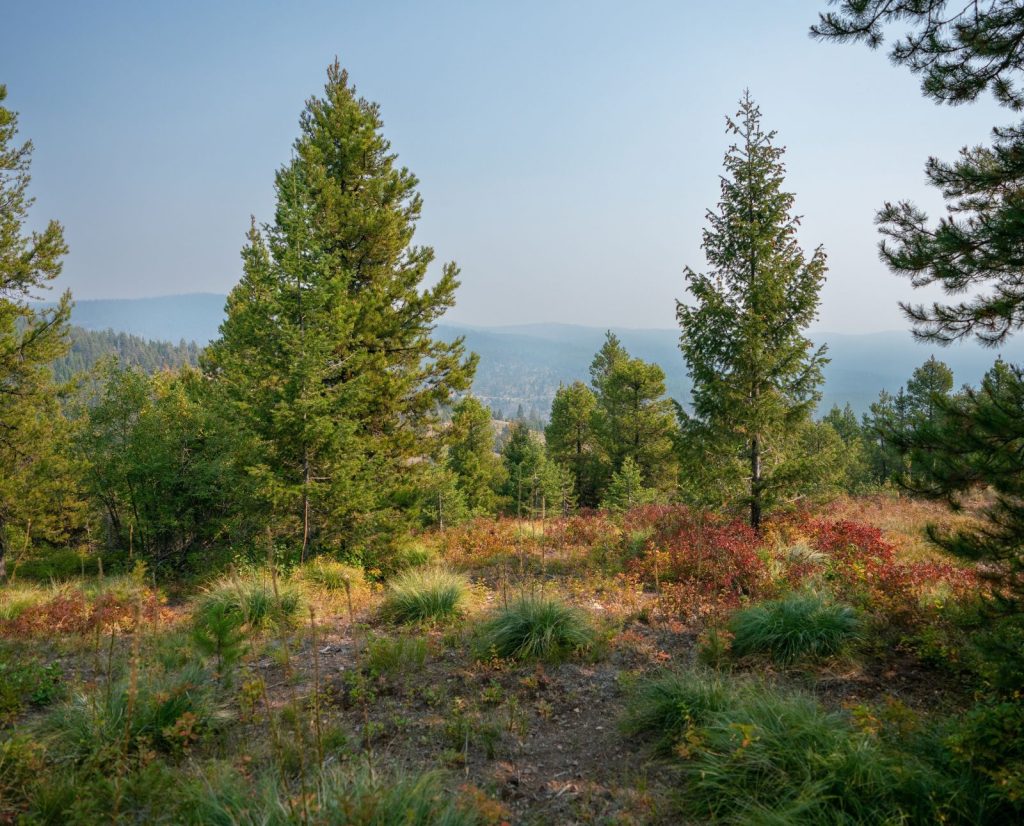
For a brief moment there was sky above, but as I crested the lip and made my way down the far side, the forest again swallowed me. I slowed as I entered the first few feet of cover, assuming the bird might wait at the immediate edge to see what had disturbed the morning. Yet I was wrong. With a lucky glance, I saw him flush thirty yards beyond into a tree. I approached slowly, as one might a pronghorn down a dry gulch, hoping to see the creature before the creature saw me.
The grouse was on a naked limb. I wanted to accept the gift of a possible clear shot as he high-stepped his way to flush. Though, with a stumble and the loud crack of a downed branch, he again lifted at the inopportune time. The first shell was behind, but the second was true, and he fell into the duff.
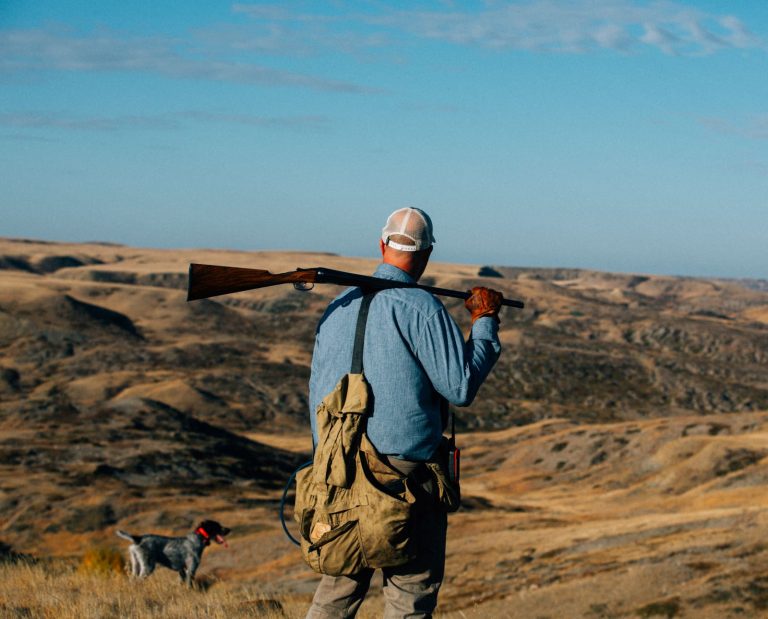
Being a canineless hunter, I followed the floating trail of feathers to the still body where it lay beneath downed limbs. I am my own dog. I find birds, I retrieve birds, and I work burs and sap from my hair at the end of the day. With the same attitude as thinking the bigger fish are out beyond the reach of my cast or the deer are over the next ridge, I wondered how much better of a bird hunter I would be with a dog. How many more grouse would I find? How many more birds would be brought to my hand by an amenable partner?
Read: The Art of Hunting Sage Grouse Without a Dog
The simple fact of my apartment lease rejecting pets removed a bird dog from the realm of possibility. Though I desperately wanted to welcome a working pup into my home, it appeared that the phase of my life in which a Brittany or Boykin would follow me into the grouse woods would coincide with a mortgage. Thankfully, grouse can be hunted sans pointer or flusher, and what else can one ask from life than anticipation?
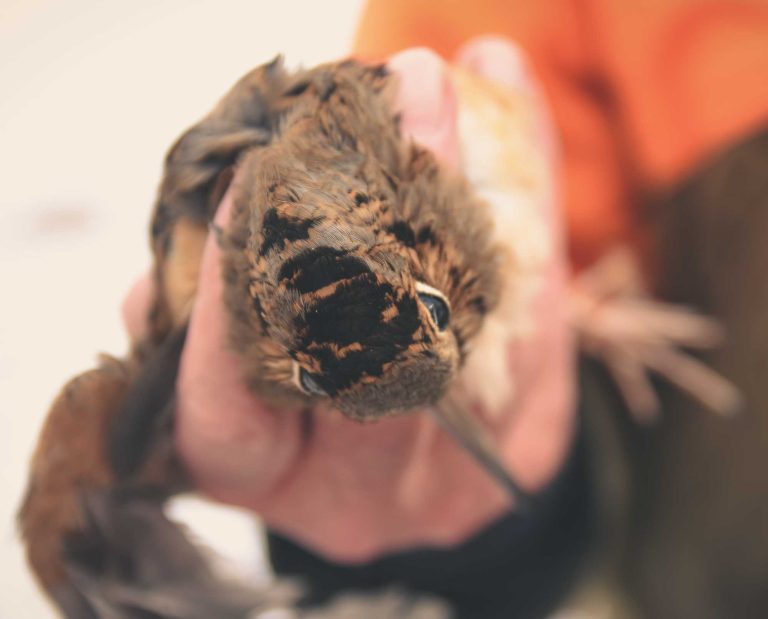
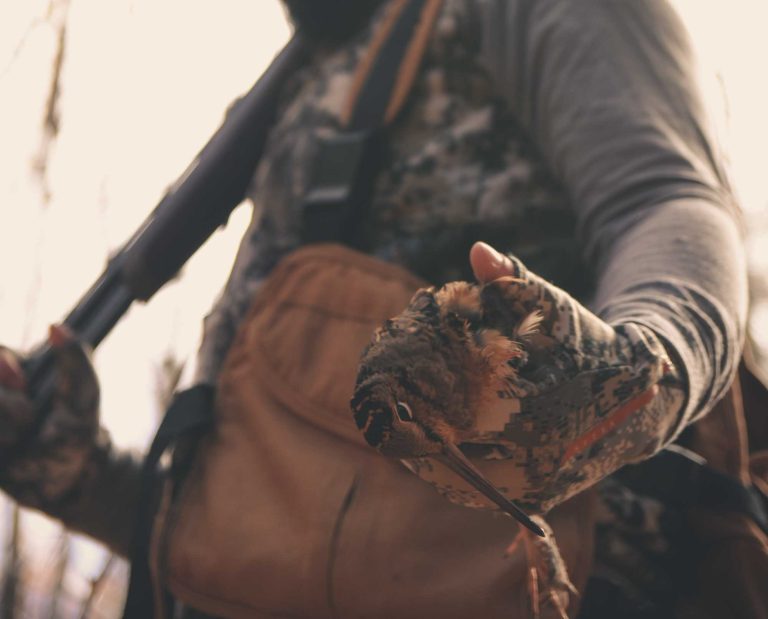
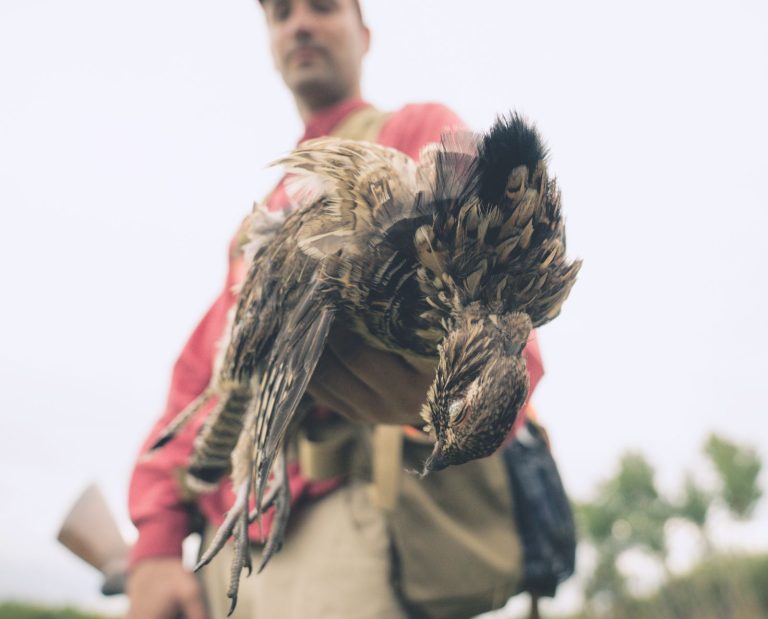
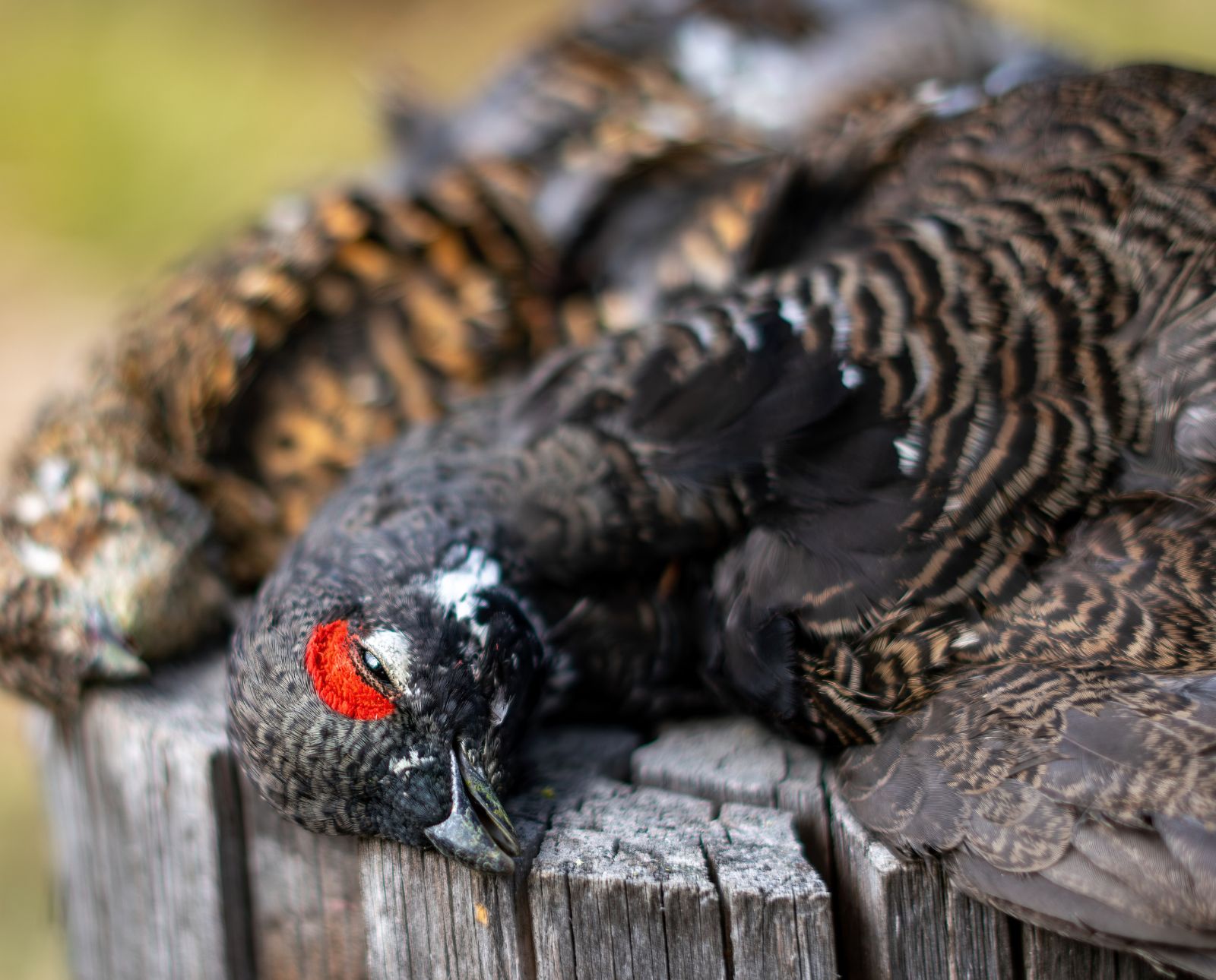
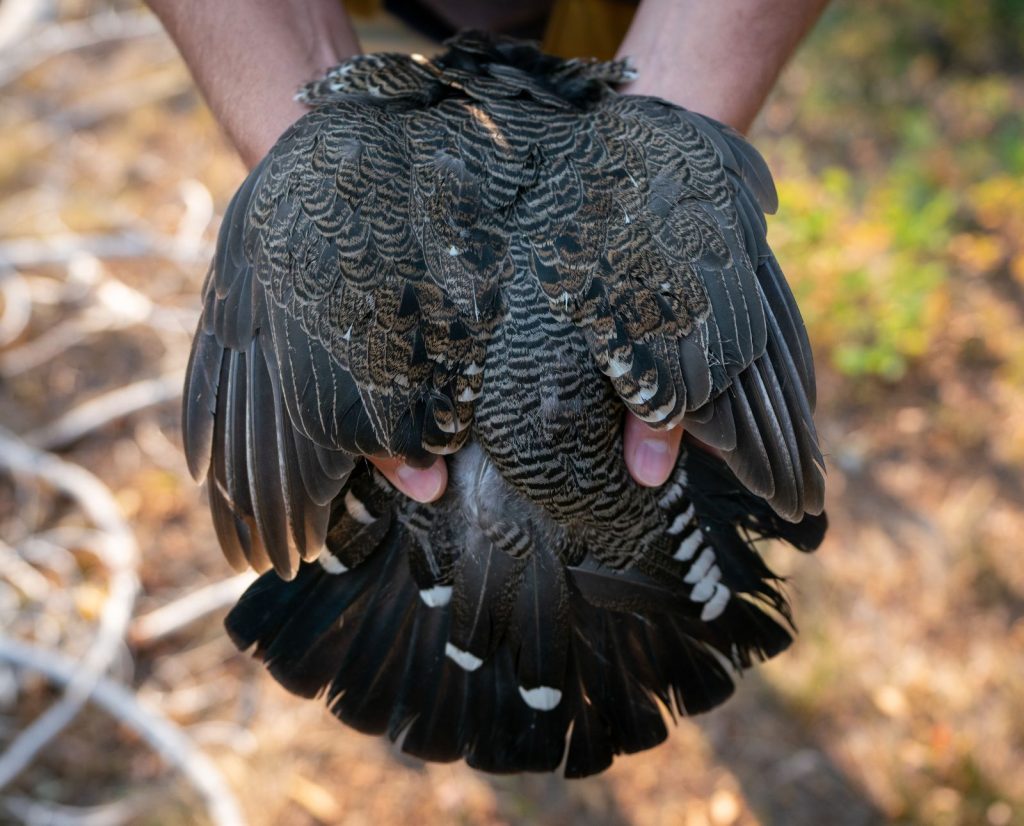
I hiked back to the opening in the canopy to better admire the bird’s details. Dark for the dark understory where he lived, with white dappling the feathers above the fan and collaring his neck like shafts of light finding the chinks in the canopy. His saddle was gray, and the bars swirled like September smoke across his back. And again, the red eyebrow. The fine feature carried almost a gravitational pull. Hardly thicker than a half dollar, it nearly hummed.
I thanked the bird and slipped him into my vest. From the clear vantage point, I could see the fold of the creek below and the mountains above. The band of timber knitted a skirt for the peak before the slopes rose bare above timberline.
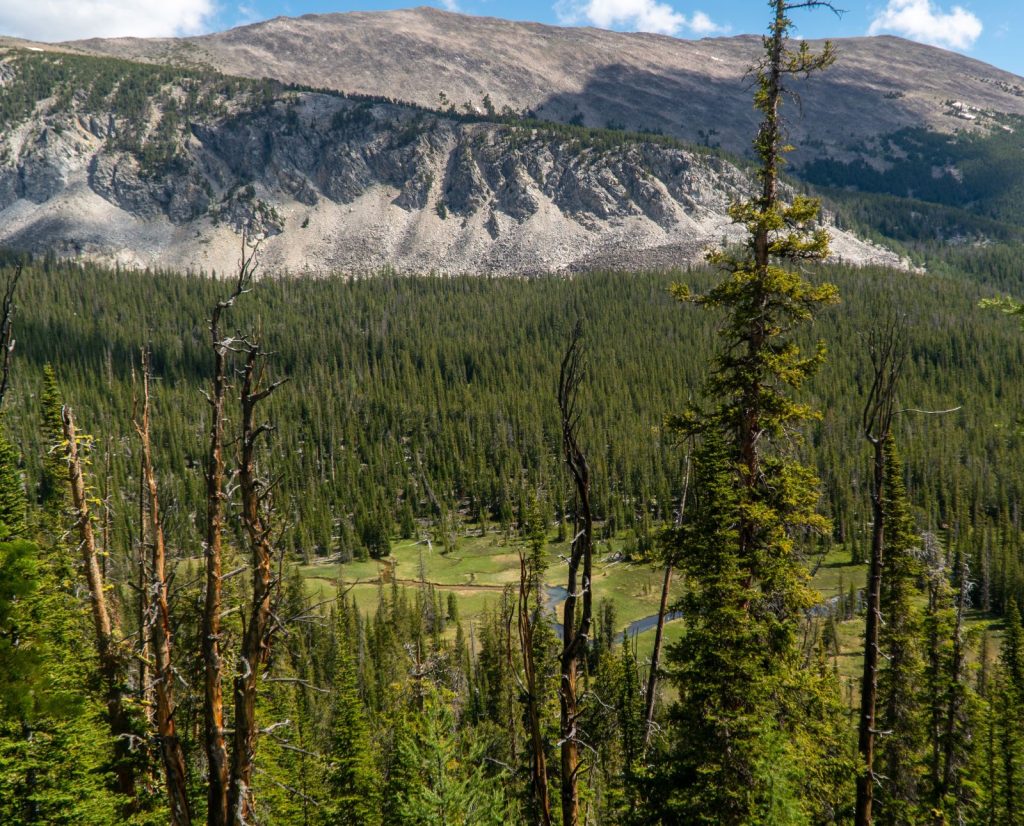
The creatures of unfrequented places have always drawn me closer. Growing up, while so many of my friends cast to bucket-mouthed bass in reservoirs or pulled state-grown trout from the pool where the truck had dumped them the day before, I searched for wild fish in small water that most might consider nothing more than a depression where rainwater collected. I found where blackcap raspberries grew along old railroad beds, listened for hermit thrushes to announce spring, and stopped to see how a red eft would climb a log in a deep hollow.
Spruce grouse are wonderful members of this congregation. They are disregarded and underappreciated by so many upland hunters, yet they are beautiful birds that require strong legs, patience, and a creative mind—canine or human—to read the land and find them. How many times have I walked for miles, for hours, and in a moment found them? Like most hunting, the time in which the prey is absent then present is less than a second. In a sea of spruce, the absence of a bird feels so large, and the presence, also large, but in a different way. The immediacy of their occurrence, as in all bird hunting, is almost a shock. Where did they come from? How did we not see them before? In a land typically associated with elk, lions, and bears, the grouse is also endemic, and their innate wildness makes them thrive.
This wild land, the remote habitat that spruce grouse require, is the space in which I want to spend my hours. Unlike sitting in a duck blind or striding on a pheasant push, I will often go an afternoon chasing spruce without hearing the heartbeat of an engine. I follow trails made by animals for animals. The reason for the path’s route is dictated by slope and pitch, cliff and deadfall, and not the power of a bulldozer. I learned the space from those who filled the space.
At the risk of sounding too precious—and why not be precious when celebrating a native bird, which in our time is so damn precious?—I search for the spruce grouse because they hold the delicate beauty of enduring wildness in a world where the wild is dwindling.
Realizing the morning wouldn’t last forever, I dove into the forest and continued my creep. The curve of the mountain took me north, where the trees grew even thicker and the scent of elk pulled me to where they had wallowed in a flat bottom where a spring collected. The mud was cleaved by their hooves, and the musk of their rut hung in the closed canopy.
I followed the spring down to another bench, wondering where a grouse might be, and there a grouse was, a hen, standing tall fifty yards to my right on the lip above the drop to the creek. With my step, she flushed down out of sight, but I heard her land in a tree. A bird landing in a tree is the sound of deceleration, wings against needles, not the long, quiet throw of a glide never to be seen again. It is one of the sounds of hope.
When I made it to the slope, I was greeted with spruce trees that had grown so fond of each other that their branches were entangled in a weaving embrace.
The routine began: I tried different angles at different distances, lay on the ground and peered up, shook the assumed tree, shook adjacent trees, attempted to climb the tree, and threw limbs with no resulting flush. Above their attractiveness on the list of praises for spruce grouse is their fortitude.
I surrendered the day to the hen and began the hike toward the creek and eventually the road. When I passed just beyond shotgun range, I heard the bird exit from down the line of trees where I had been searching, confirming my miscalculation. The grouse flew farther than I would care to go, and I smiled at being made a fool.