

From CRP Fields to Shelterbelts: Managing Gamebirds in Crop-Dominated Landscapes
How to create and maintain productive gamebird habitat in the heart of row crop country
During our four-part series on gamebird habitat management, so far, we have focused on upland bird habitat requirements and managing grasslands as well as places where grasslands and agricultural lands intertwine. In this final article of the series, we focus on intensively farmed landscapes. In areas where row crops dominate, gamebird habitat can be few and far between. But don’t let that fact discourage you.
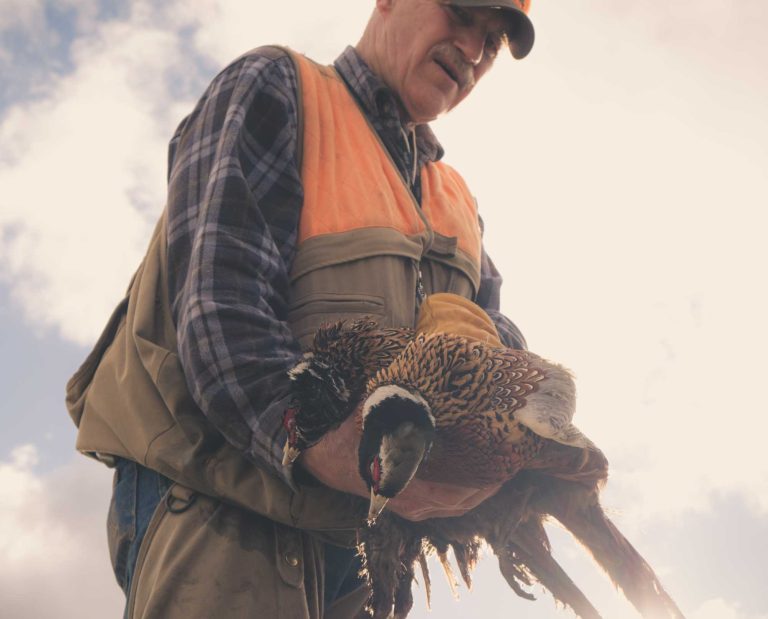
Gamebird habitat may be scarce in such regions, but that doesn’t mean hunting or management opportunities are limited. In fact, if you hunt and manage land in these regions, you know that they can hold some of our best upland gamebird populations, particularly ring-necked pheasants. Think North Dakota, South Dakota, Iowa, western Kansas, and Illinois; places where corn dominates the landscape and gamebird habitat must be intentional in order for populations to thrive.
Productive farmland landscapes can also result in highly productive bird populations. Let’s take a look at what it takes to be successful in managing gamebirds in intensive row crop agricultural areas.
Permanent Herbaceous Cover Provides Nesting Habitat
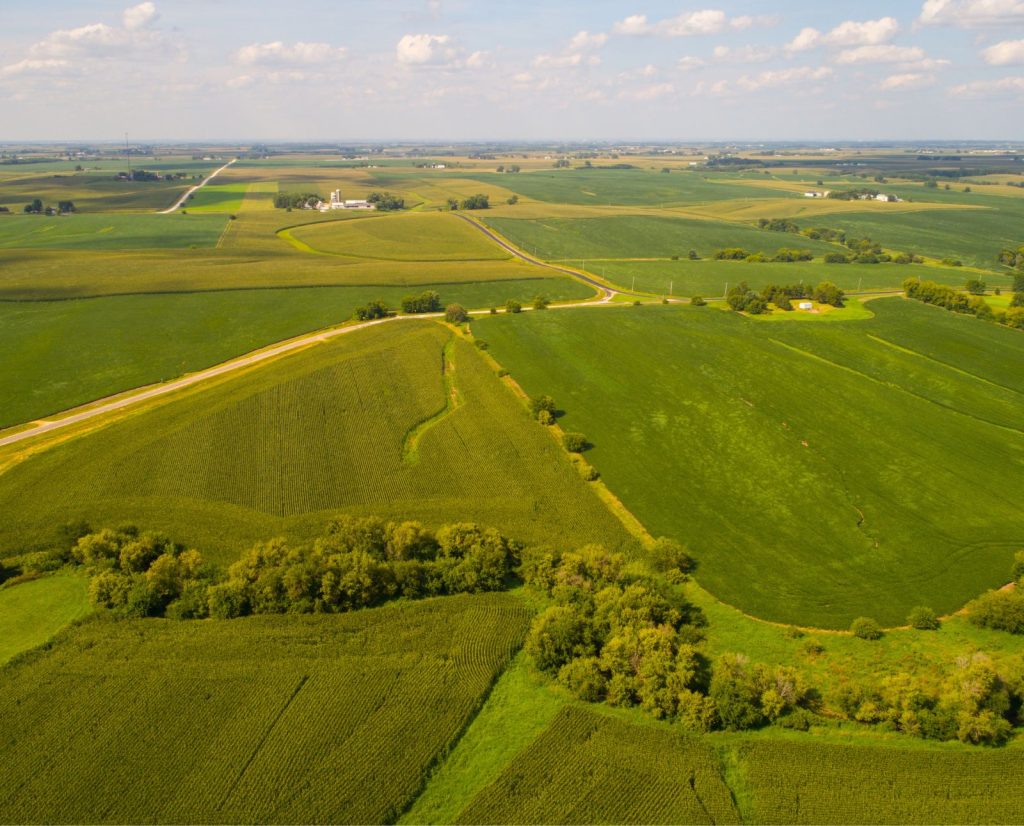
As we have emphasized throughout this series, gamebird production is what drives population success across most of the country. Heavily farmed landscapes are no different. To be successful, birds must have a place to lay a nest and raise broods.
In the Corn Belt, nesting locations are often lacking because all the groundspace is dominated by row crops. This means that many gamebird nests are found in road ditches, grassy waterways, or other undisturbed habitat. While such places may be adequate for nests, they certainly aren’t ideal, as ditches and waterways often are mowed during the peak of nesting or brood-rearing season. By far, the best places to raise broods are in permanent herbaceous cover.
The Role of Conservation Reserve Program Fields
In the Midwest, especially in pheasant country, permanent cover means fields that are enrolled in the United States Department of Agriculture’s (USDA) Conservation Reserve Program, or CRP. This program started as a soil conservation practice where highly erodible farmland was planted to permanent herbaceous cover.
In most places, CRP fields are some sort of grass and forb mix. While native warm-season grasses are preferable, many CRP fields were instead planted with brome or western wheatgrass interseeded with alfalfa. Whether they consist of exotic or native plants, CRP fields are the building blocks of nesting and brood-rearing habitat over vast parts of our most highly intensive agricultural areas. CRP fields provide safe nesting sites and, when managed properly, quality brood habitat with ample bare ground and forbs.
The CRP program and other federal programs for planting grasses are still available to today’s landowners. Simply contact your local USDA Farm Service Agency Office for more information. State game agencies also sometimes have money to plant permanent herbaceous cover on property of willing landowners. These programs often pay a share of the cost to establish the plantings, significantly reducing the burden on the landowner.
Mix Native Warm Season Grasses and Forbs
Speaking of establishment, we always recommend planting a mix of native warm season grasses and forbs for quality nesting habitat. A mix of grasses such as big bluestem, Indian grass, and switchgrass provides quality nesting cover. Forbs such as alfalfa, sunflowers, and lespedezas produce abundant seed resources and attract the insects so vital for growing chicks.
READ: Important Plants for Sharp-tailed Grouse
We caution landowners to keep planting rates of grasses low when establishing habitat. Newly-hatched gamebird chicks are very small and have a difficult time moving through thick grasses. This lack of mobility can lead to high levels of chick mortality. We recommend planting a fairly low rate of grasses when doing initial plantings.
It’s better to start with a diverse mix of grasses and forbs that supports young gamebirds. Grasses will grow well and will outcompete forbs even at low planting rates. A thick mix of grasses alone is not only harder to manage but can also hinder brood survival.
Using Fire and Herbicides to Manage Grass and Create Brood-Rearing Habitat
Any type of gamebird habitat requires management; this is especially true of stands of grass. The top management technique for grassland stands in intensive ag landscapes is prescribed burning. Fire removes dead vegetation and sets back grasses, creating more room for chicks to move around. It also helps with the growth of forbs, often rejuvenating a stand of forbs that seemed lost.
However, fire is not an option for everyone. In such cases, herbicide may be used to reduce the thickness of grassy stands and allow more room for forbs to come in.
One such example occurred on a farm in North Dakota on which we were recently consulting. The landowner had several stands of brome and alfalfa that provided excellent nesting cover for pheasants and Huns. However, the stand was just too thick for broods to move through. Overall production faltered. We recommended that the landowners apply grass-specific herbicides at a rate that does not kill the grass, but significantly sets it back, allowing bare ground and forbs to respond.
Depending on rainfall and the rate of herbicide used, this type of grass management typically sustains high-quality brood habitat for two to four years—about the same timeframe as a prescribed fire.
Establishing and Managing Woody Cover
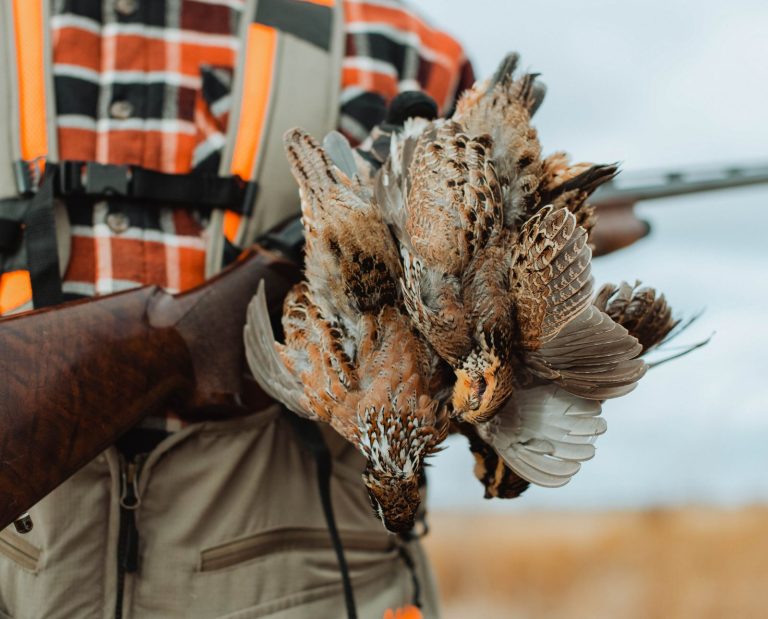
We have often discussed woody cover as being integral for upland gamebirds. This is especially true for bobwhite quail and, to a lesser extent, Huns and sharptails. Even pheasants, which are often associated with tall, wide open grass stands, use woody cover extensively when it is cold.
READ: Midwestern Bobwhite Quail Conservation: The Time for Action is Now
If your property has only grasses, you may raise plenty of birds, but they’ll likely leave in winter to find woody cover elsewhere. Establishing some sort of woody cover is important in agriculture landscapes if you want gamebirds to use your property over the entire year. Because it is mostly associated with abandoned homesteads or planted shelterbelts, woody cover in farmland is often at a premium.
Establishing woody cover is a long-term process when thinking about gamebird management. If your property lacks woody cover, establishing it should be one of the first items on the to-do list.
Planting Shrubs
Planting rows of shrub thickets consisting of American plum, various shrub dogwood species, and other shelterbelt species starts with good site preparation. Using weed barrier fabric is a must. Weeds competing for moisture will kill many shrubs and trees before they have a chance to establish. Also, planting the shrubs at a higher rate than recommended will account for inevitable mortality. State wildlife agencies have publications and offer technical assistance to help landowners with establishing woody cover.
Managing Established Shelterbelts
In many cases, landowners already have established shelterbelts in place, but these too can benefit from active management. Often, some trees get too tall and shade out any shrubby or weedy cover underneath them. Thick stands of woody brambles, saplings, and weeds are the most attractive components of long Midwestern shelterbelts. If a tree row becomes too mature, these components will be lacking. We saw one such instance on a recent consult. A mature shelterbelt of ash was simply too tall, and only grass grew underneath. This row provided some cover, but it was suppressing shrub and forb growth. It had simply become too mature.
In this case, and a lesson that can be applied across the Corn Belt, we recommended that the landowner use herbicide to control the brome under the trees to increase bare ground and allow forbs to grow. We then instructed the landowner to hinge cut the trees to put the tops at ground level. This increased the amount of dead woody cover and living cover on the ground. The increased sunlight resulted in a burst of forbs and shrubs, increasing the attractiveness of their shelterbelt to gamebirds.
Give Active Land Management a Try
Other than hunting upland gamebirds, our passion is managing and helping others manage birds on their properties. We hope our passion showed as we published this series. We hoped to show the great diversity of landscapes that gamebirds call home while also establishing that the management of these bird species is fairly similar across the country. Nesting grounds, brood-rearing habitat, and escape cover are all things every bird needs, and they can even look similar across species.
If you manage land or work on a property where you can influence management, give supporting bird populations a shot. Active management not only supports healthier bird populations but also enriches the hunting experience. After all, there’s nothing more rewarding than harvesting game sustained by your own stewardship.