


Managing Pheasant, Quail, and Partridge Habitat in Agricultural Landscapes
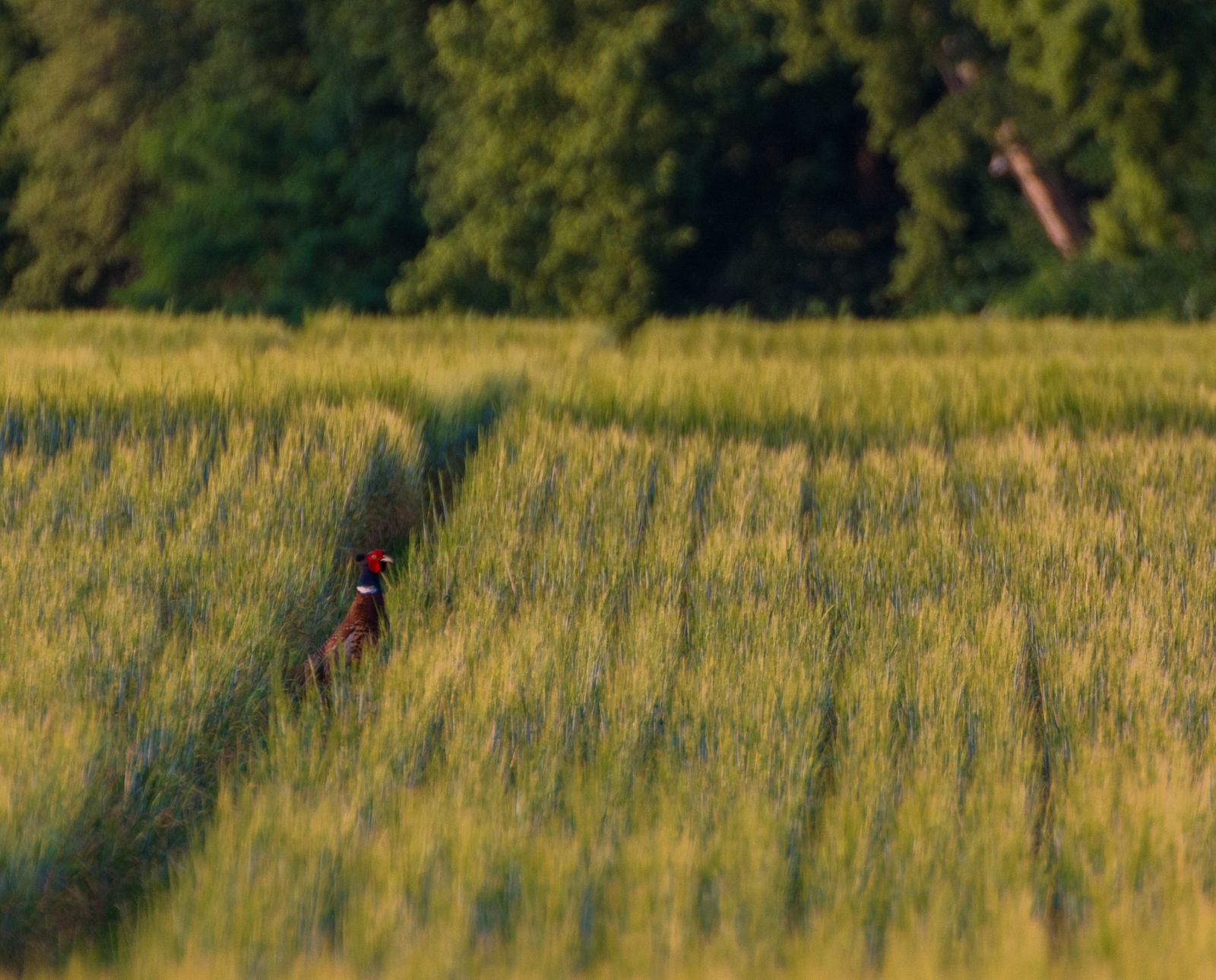
Pastures, croplands, and field edges can be managed to support upland bird populations year-round
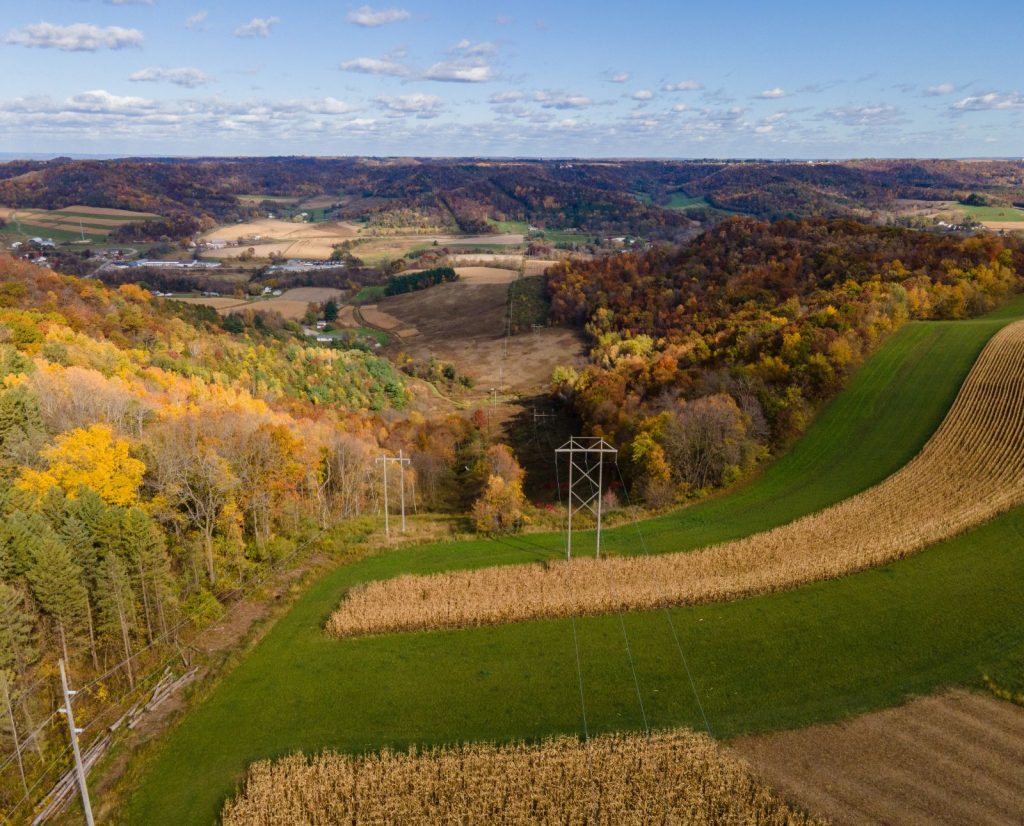
Across much of the Midwest, a matrix of pastures and croplands is woven into every square mile of the countryside. Rolling hills flatten into valleys filled with corn, soybean, wheat, milo, or sunflower fields, and together these croplands and pastures cover millions of acres. The interaction between these habitat types can create ideal conditions for game bird production and provide stellar hunting opportunities, particularly for Hungarian partridge, pheasants, and bobwhite quail. In this article, we share best practices for upland bird habitat management in agricultural landscapes to support both bird populations and hunting success.
This is the third installation of a four-part series. Previous articles include “Upland Game Bird Habitat Requirements and Management Tips” and “Managing Grasslands for Sharp-tailed Grouse, Prairie Chickens, and Other Upland Birds.” If you haven’t read them, we encourage you to take a moment to do so as each article builds off some of the previous articles’ information and techniques.
Assessing Pasture and Cropland Habitat Around Your Property
The first step in managing a landscape with both pastures and croplands is to evaluate your own property and what lies around it. Actively farmed row crop fields provide very limited nesting habitat for game birds. An exception is pheasants, which may nest in green winter wheat or in wheat stubble. However, modern harvesting equipment leaves wheat stubble very short, making it far less hospitable than in the past. In mixed landscapes, most birds are produced in pastures, provided they are not grazed too heavily. Still, row crop areas can contribute some nesting opportunities, especially along herbaceous field edges, abandoned homesteads, or vegetated terraces on hilly ground.
While most birds in mixed landscapes are produced in pasture areas, many shift to nearby croplands as fall approaches. These movements can be quite significant. Pheasants and sharp-tailed grouse may travel several miles from their breeding grounds to spend the fall and winter in crop stubble. Quail will also shift, albeit at much shorter distances. In some cases, quail will move a mile or two in order to spend the winter within feeding distance of a crop field.
If you only own pastures but have row crops nearby, you may produce a lot of birds during the summer, but have a limited population to hunt during the season. On the contrary, if you own or manage only cropland within a pasture–crop matrix, your property will likely not be a strong producer of game birds. The neighbor’s pasture will hopefully produce birds, but it all depends on the neighbor’s management.
Relying on neighbors for bird production is risky. Pastures grazed too heavily or brush hogged regularly become poor nesting and brood-rearing habitat. Even well-managed land can change quickly if ownership or management practices shift. For this reason, it’s best not to depend solely on surrounding properties to provide the birds you hope to pursue all winter.
With all that said, where possible, it’s important to offer year-round upland bird habitat on your own property to ensure both good production as well as quality hunting. If you are fortunate enough to own or manage both pastureland and the adjacent crop fields, you have incredible potential for upland game bird management.
Managing Pastures for Upland Bird Nesting and Brood Rearing
In “Managing Grasslands for Sharp-tailed Grouse, Prairie Chickens, and Other Upland Birds,” we discussed some options for grazing and prescribed fire management to maximize game bird production. We won’t repeat all those specific details here. Rather, we will just mention the highlights.
Stocking rates and a grazing duration that leaves adequate residual vegetation are the keys to providing nesting and brood-rearing opportunities. Combine that with the use of prescribed fire, and pastures can become game bird production factories. However, there are a lot of details that can make a significant difference, whether it’s related to breeding season bird production or hunting season success.
In pastures, invasive species can quickly squelch brood rearing success. It’s important to address invasives when their coverage is minimal. Don’t let them get a foothold and dominate the area. Many invasives readily crowd out native plants, and some are even allelopathic, which allows them to directly harm adjacent plants in order to spread further each growing season.
READ: Important Plants for Sharp-tailed Grouse
Non-native grasses like fescue and other cool season grasses can also reduce the quality of habitat in grazed pastures. Where undesirable cool season grasses have infiltrated a warm season grass pasture, the cool season grasses can be treated with glyphosate after the first frost in the fall. The warm season grasses and most forbs become dormant immediately following a frost. However, the non-native cool season grasses will continue to grow. Look for days when temperatures exceed 50 degrees F to ensure the target grasses readily uptake the herbicide.
Locations to Consider Building Cattle Exclusions
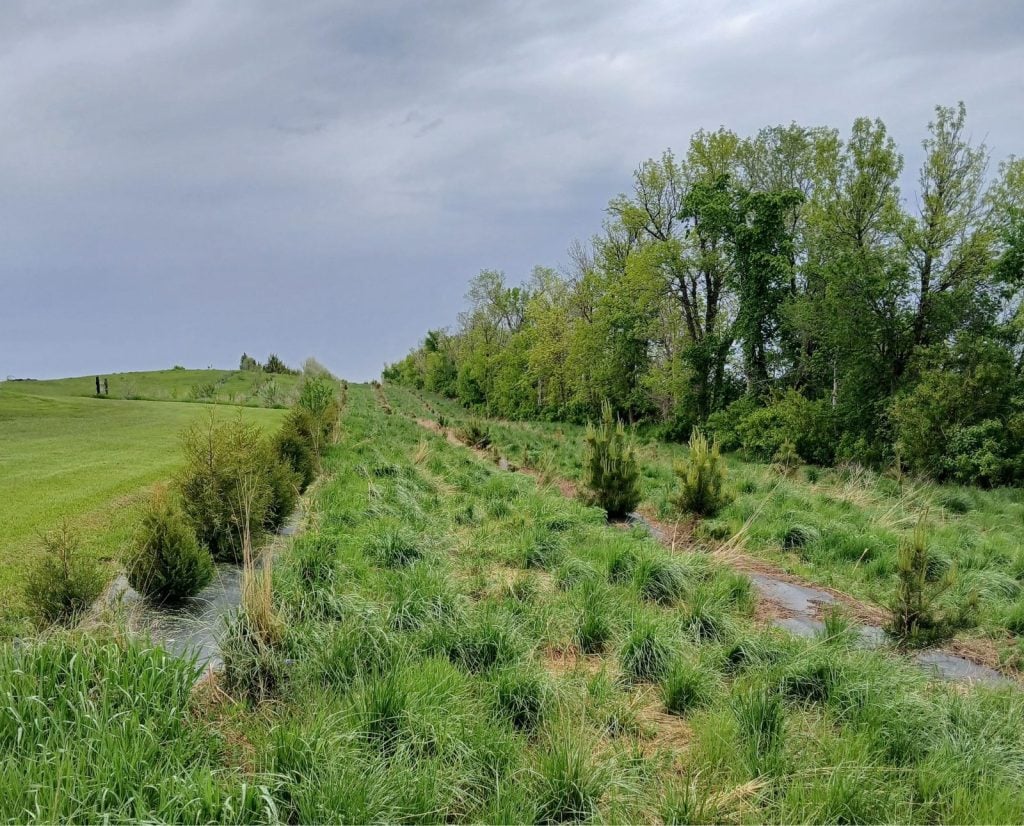
Consider fencing out the backside of pond dams or rough areas that provide minimal forage for cattle. Allow these areas to develop into weedy areas where invertebrates will be available for broods in the summer and native forb seeds will feed adults in the fall. These types of places are magnets for a covey of quail or a rooster pheasant on a sunny November afternoon.
Riparian zones can also be fenced out, allowing more herbaceous growth. These areas can be ideal as they typically have some areas of adequate vegetation for nesting, but also restricting cattle prevents shrubby thickets from being used for shade by the herd. The lack of trampling allows shrub thickets to reach their full potential as escape cover, particularly for quail and pheasants.
Food Plots
Beyond fencing cattle out of some areas, landowners can also create food plots to retain more birds into the winter. If you only own or manage pasture ground and have no control of the neighboring cropland, then consider planting a food plot or two to hold some birds longer into the winter. Obviously, cattle will need to be excluded from these plots. Additionally, consider what crops the neighbor is growing. If there are 300 acres of corn adjacent to your property, we would recommend you plant something different, say milo or sunflowers.
Location is important as well. If the food plot is placed near the heaviest cover in the pasture, there is a better chance to hold birds longer into the winter.
Row Crop Habitat Practices for Pheasants, Quail, Partridge, and Grouse
Which crops are grown and how they are managed can greatly influence their value to upland birds. Soybean stubble attracts birds, but the lack of cover makes soybean fields much less useful than corn, sunflower, or milo stubble.
Wheat stubble can be very attractive for quail, pheasants, Huns, and sharpies, especially weedy wheat stubble. In these fields, nothing was planted after the harvest, nor was the wheat stubble sprayed. Weeds continue to grow during the remainder of the summer, which attracts bugs for broods. While wheat stubble that has been sprayed with herbicide can attract birds in the fall and winter, nearly every bird hunter knows a weedy wheat stubble field typically holds a lot more birds than a clean stubble field. Additionally, fall-disced fields also offer little opportunity for birds to find waste grain or cover. By comparison, no-till practices retain maximum cover and leftover grain, allowing birds to use crop fields much longer into the year.
Field edges provide another important opportunity. Many crop fields have herbaceous strips ten or twenty feet wide, but these are often brush hogged during summer. Leaving these strips undisturbed adds valuable nesting and brood-rearing cover. Other odd areas, such as rock piles, low ground, and abandoned home sites, should also be left in native vegetation to develop through the summer. Even one additional successful brood can add a covey of quail or ten more pheasants to a property.
If possible, leave a few rows of standing crop adjacent to areas with winter cover. This can make a huge difference, particularly in northern states where waste grain in the stubble may end up under several feet of snow in the dead of winter.
Improving Habitat Along Field Edges, Fence Lines, and Shelterbelts
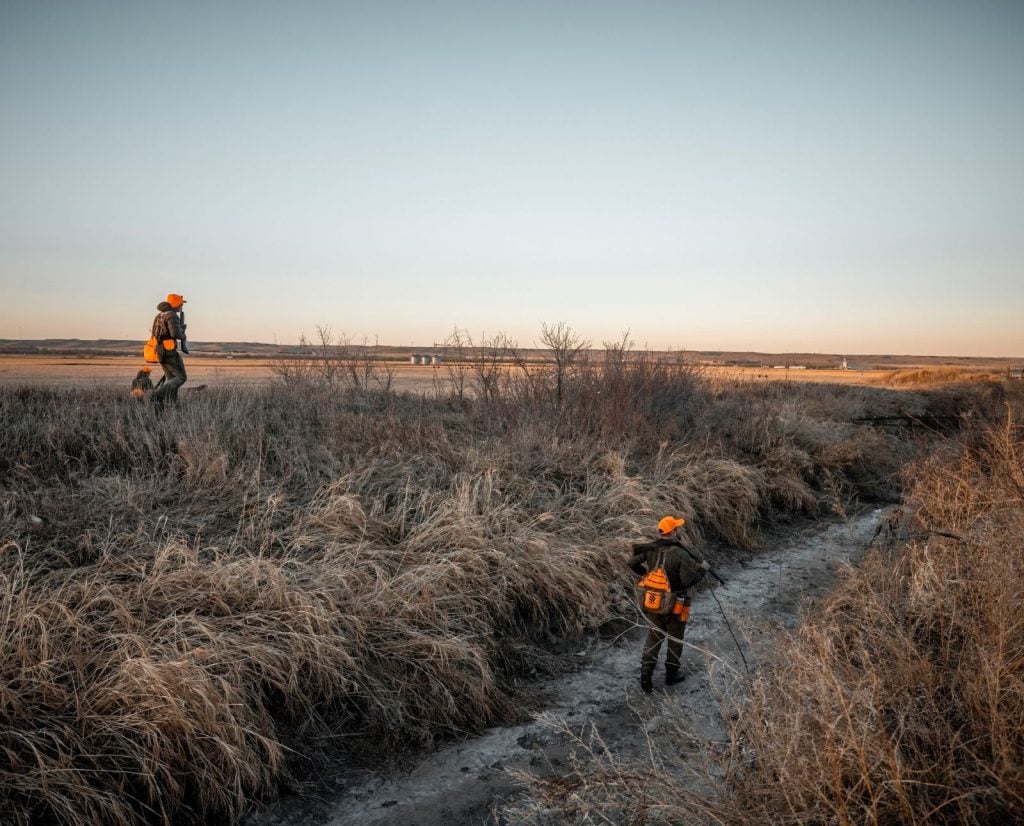
Fencelines separating pastures and crop fields can be ideal locations to hold birds throughout the year. This will make some cattlemen cringe, but allowing some plum thickets or other brushy cover to develop in the fence lines is a great way to hold birds into the fall and winter. Where possible, shelterbelts between these two habitat types can be dynamite locations for quail, pheasants, and Huns to loaf or take shelter from harsh weather.
If planting shelterbelts, spend the extra money to use weed barrier fabric. Studies have shown both trees and shrubs have significantly faster growth and better survival when weed barrier fabric is utilized.
If sporadic stretches of shrubby thickets aren’t an option in the adjoining fence line, then at least try to allow the development of tall, stiff vegetation like wild sunflowers or kochia. Oftentimes, fencelines are choked with non-native grasses like brome or fescue. Spraying out these unwanted grasses can allow the development of native warm season grasses as well as weedy forbs. Weedy fence lines can provide both food and escape cover, at least until the snow gets too deep.
Balancing Bird Production and Hunting Success in Mixed Landscapes
Successful upland bird management in a pasture–crop landscape requires more than simply producing birds. Landowners and managers must first provide quality nesting and brood-rearing cover in pastures, then balance grazing and invasive plant control to keep those areas productive. Croplands add value when managed with practices like no-till planting, leaving weedy stubble, and preserving unique areas for habitat. Field edges, shelterbelts, and even a few rows of standing crop can carry birds through winter.
Ultimately, the goal is not only to raise birds but also to keep them on your property throughout the year. For most upland enthusiasts, losing the birds you produced to all the neighbors’ properties before hunting season isn’t typically an acceptable outcome. Evaluate both your land and the surrounding neighborhood, then make management choices that ensure your efforts pay off during hunting season.


Have you seen, heard or noticed any improvement to no-till planting cover crops in wildlife by planting a diverse cover crop mix following a small grain harvest?
I haven’t read any direct research results showing cover crops increasing upland bird populations. However, the cover crop thing is new enough (last 10 years) that it’s likely with a lag in research, it just hasn’t caught up yet. On the flip side, I suspect it may be pretty difficult to tease out any gains in populations specifically attributed to cover crops since there are so many factors affecting upland bird production. On the flip side, another possibility could be that the cover crops limit access to waste grain seeds by blanketing the field with vegetation, thus making cover crops less than ideal, at least during the over winter period. Lots to think about!