


Avoiding Common Pheasant Hunting Mistakes
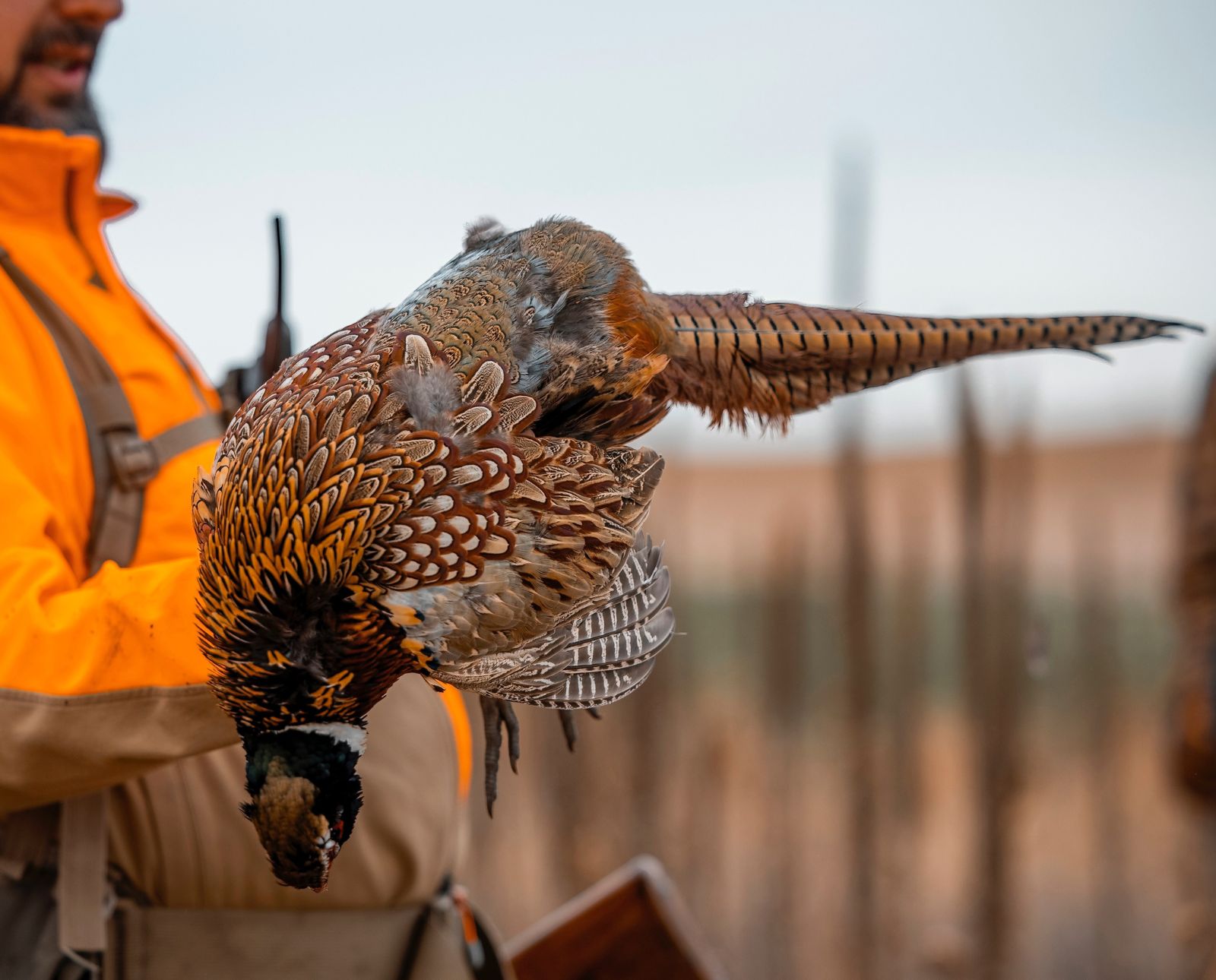
Whether it’s slamming truck doors or hunting unproductive habitat, avoid these common mistakes hunters make while chasing pheasants.
Opening weekend hunters usually find plenty of uneducated, juvenile pheasants scattered around suitable habitat. However, the young birds who survive the first attack by the orange army learn quickly. They become the wily roosters hunters curse as the season progresses. Pheasants are difficult enough to consistently harvest, but our own mistakes often make the pheasant hunting chess match harder than it needs to be.
Excessive noise, poor pushing or blocking strategies, hunters’ unwillingness to adapt, and not trusting the dog are just a few mistakes that result in lighter bird vests throughout the season.
In This Article:
- Mistake #1: Making Excessive Noise While Pheasant Hunting
- Mistake #2: Not Using Smarter Pushing and Blocking Strategies
- Mistake #3: Not Hiding From Pheasants
- Mistake #4: Failing to Adapt Your Pheasant Hunting Strategy to Conditions
- Mistake #5: Not Trusting Your Bird Dog
Mistake #1: Making Excessive Noise While Pheasant Hunting
This mistake is not restricted to the late season. Excessive noise happens from day one. I’ve seen it countless times and done it myself. Even those so-called uneducated, juvenile opening day roosters identify noise as a potential threat and employ evasive maneuvers, sometimes before a hunting party has even set foot in the field.
Slamming truck doors or tailgates, talking loudly, or yelling at dogs are all unnecessary noise that put pheasants on high alert. These types of noises exponentially increase pheasant wariness as the season progresses, after they have experienced a few hunting parties passing through their home territory. The bird’s most common tactic is to simply flush wild, sometimes well over 100 yards away, and leave the field the hunters are hunting. Even if pheasants don’t immediately vacate the field, excessive noise will certainly make birds more likely run ahead and flush out of range than hold tight and get pinned down by a dog.
Mistake #2: Not Using Smarter Pushing and Blocking Strategies
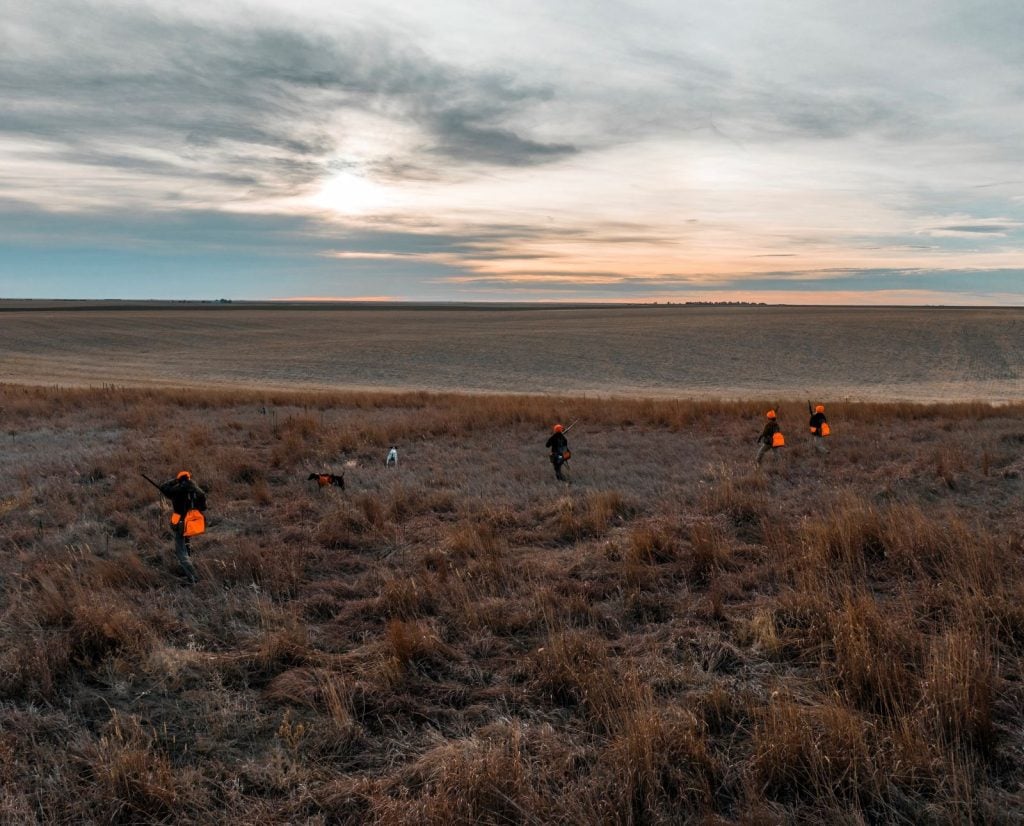
A hunting party always needs to have a plan. If part of that plan involves pushers and blockers, then there are plenty of opportunities to screw up. First and foremost, the blockers must be in position in plenty of time. This seems obvious, but there are two common mistakes that occur regarding blocker timing. The first involves the pushers starting their drive before the blockers are in position.
Whether it’s a thick, grassy Conservation Reserve Program (CRP) field, crop stubble, or even a shelterbelt, educated birds may be exiting the far end within minutes or even seconds of the pushers getting started. Even in large fields, where it may be a half mile between where the pushers plan to start and the blockers will be posted, I’ve seen birds bailing out the end when the pushers start hunting before their blockers are in position.
The second mistake puts the blame on the blockers. Taking too long to get set up was a common error my father made. He took his time getting into position, figuring there was no hurry until we pushed within a couple hundred yards of where he had been instructed to post up. A couple extra sips of Diet Coke cost him a lot of roosters. Invariably, birds ran across the road or flushed out the end before he ever stepped out of the truck.
Make a plan and let everyone take their position prior to walking a field. It will yield a few extra pheasant dinners.
Mistake #3: Not Hiding From Pheasants
While the information above outlined some very basic dos and don’ts regarding blocking, let’s now take blocking to another level. A lot of pheasant habitat involves some type of grass habitat adjacent to a crop field. Running birds often step out of the grass and run down the outer rows of the neighboring crop field. When they step out into the crops, their visibility increases significantly. This allows them to see far ahead and identify potential threats in their path.
READ: Managing Gamebirds in Crop-Dominated Landscapes
Parking a truck right next to the blocker(s) is a flashing neon sign for a pheasant. If you’ve ever seen pheasants pull a Houdini maneuver of flushing exactly halfway between the pushers and blockers, yet out of range of both, it’s likely because they saw the blockers’ position well ahead of time. As a result, not only will I try to park the truck out of sight, I will avoid standing in a crop row and instead stand within the grassy habitat. That way, roosters running down the outer row won’t see my orange hat.
More than once I’ve even knelt down in the corner of a CRP field, only to have pheasants run down to me and hold within a few feet of my position, just waiting for their opportunity to flush from the pushers. I then simply stand up and watch the eruption of birds around me, hoping to pick out a rooster or two in the chaos.
Hiding in the grass further increases the need for everyone involved to know exactly where all the hunters are positioned. Furthermore, when I’ve employed this tactic, I’ve always stood up before the pushers were within gun range to ensure a safe shooting situation.
Mistake #4: Failing to Adapt Your Pheasant Hunting Strategy to Conditions
Having spent a career as a public land wildlife biologist, I’ve witnessed this issue more than I care to remember. This usually involves hunting parties tromping through CRP field after CRP field, seeing very few or no birds, yet they continue to hunt the same habitat type all day.
There are certainly times when a field or two could be void of birds, but you finally stumble into the pot of gold and hunt a field that’s loaded. However, oftentimes there are no birds in the CRP fields due to the environmental conditions or hunting pressure. Warm weather allows birds to spend all day in crop fields, making thick grass a poor option beyond the crack of dawn when birds are still on the roost. Knowing pheasants’ daily routines and considering the current weather’s effect on those routines can make a huge difference in success or failure.
Pheasants typically roost in some type of herbaceous vegetation, oftentimes in CRP fields. They will leave the roost site and move to a feeding area, which is most commonly waste grains found in crop stubble. However, native foods like wild sunflowers or other weed patches should not be overlooked.
If the weather is warm, birds have a lot more midday options. They can stay in crop fields all day, hang out in weed patches, loaf in shelterbelts, or seek refuge in plum thickets. If the weather is cold, they are more likely to return to heavier cover after feeding. In addition to CRP fields, cattail patches and kochia are prime hideouts for loafing ringnecks in cold weather.
READ: Tactics to Increase Public Land Pheasant Hunting Success
In addition to adapting, hunters need to consider hunting pressure, particularly on public lands. Many hunting parties walk fields in the same pattern. Don’t be afraid to do something different. Cut through the middle rather than walking the edges. Hunt a nearby draw or weed patch that isn’t connected to the primary field most people likely don’t hunt. I’ve seen plenty of birds relocate into some nearly un-huntable habitat due to hunting pressure.
I remember walking into the middle of a giant cattail patch in a frozen wetland in Kansas years ago. The ice allowed the pheasants to utilize the interior portion of the cattails that were usually inaccessible due to standing water. However, the ice also allowed us to pursue these evasive birds and put a couple in our vests.
Mistake #5: Not Trusting Your Bird Dog
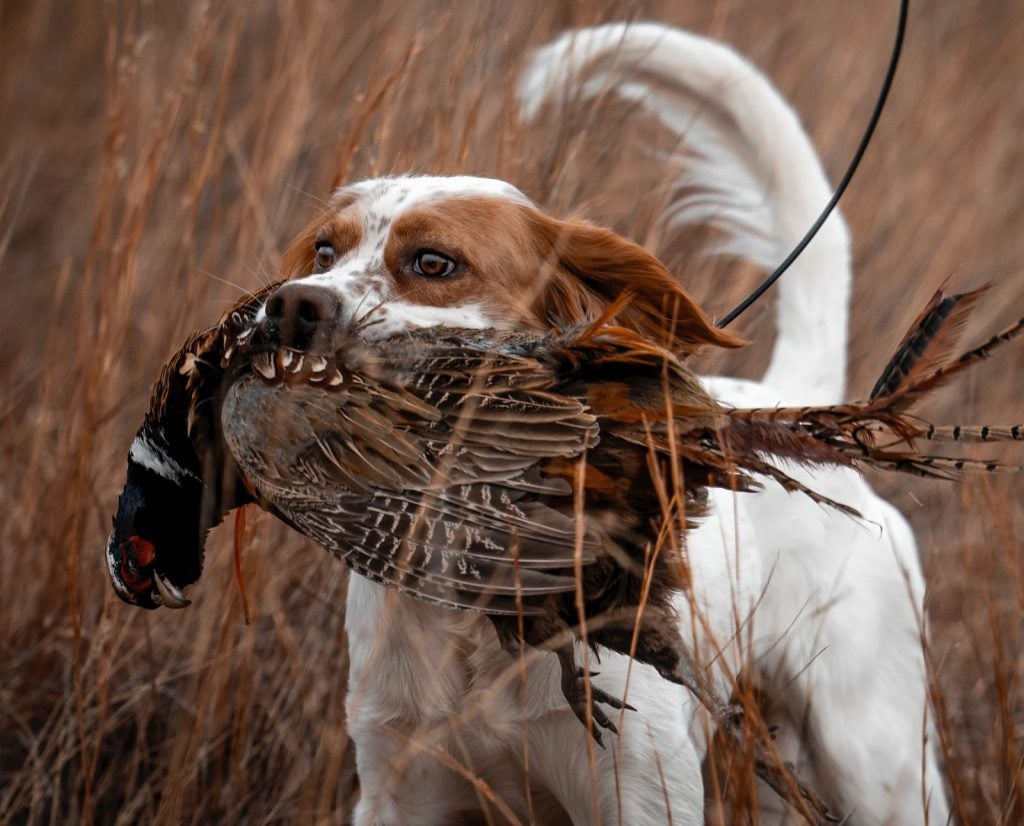
There is a variety of dog talent out there, so this tip depends on the reliability of your four-legged companion. However, the vast majority of hunting dogs know what they are chasing (whether they handle every bird perfectly is irrelevant). When the dog takes off trailing, acting birdy, follow the dog. This is tougher, if not impossible, when walking with a large party and trying to stay in a straight line. But when hunting alone or with one other buddy, don’t yell at the dog or try to call them off the trail. Divert your path and try to stay within shooting distance of the dog.
Sure, sometimes your birdy acting dog is going to take you on a 100-yard chase only to put up a hen. But those times the trail ends with a pointed rooster makes ten hen chases worth every minute of hustle.
Avoid Repeating Common Pheasant Hunting Mistakes
There are dozens of ways to screw up pheasant hunting. I’ve managed to experience most of them in my hunting career. No one will ever execute every hunt perfectly. The key is to learn and not repeat the same mistakes that result in a light game bag. When your buddies get out at the first field for the first walk of the day and slam the truck door, causing fifty pheasants to exit the field before the hunt ever gets started, make sure you kindly point out the error as you take your vest off and get back in the truck. Time to find another spot. Been there, done that.


I hunt with my son or by myself,never with a” gang “ so safety ( knowing where others are ) is not a big issue! BUT ,in addition to keeping quiet, wear brown or camouflage clothing, ——- pheasants ARE NOT COLORBLIND !! They will see you coming a long ways !! P.S. good article !!