


Ring-Necked Pheasant Facts and History: How America’s Favorite Game Bird Became an Upland Icon
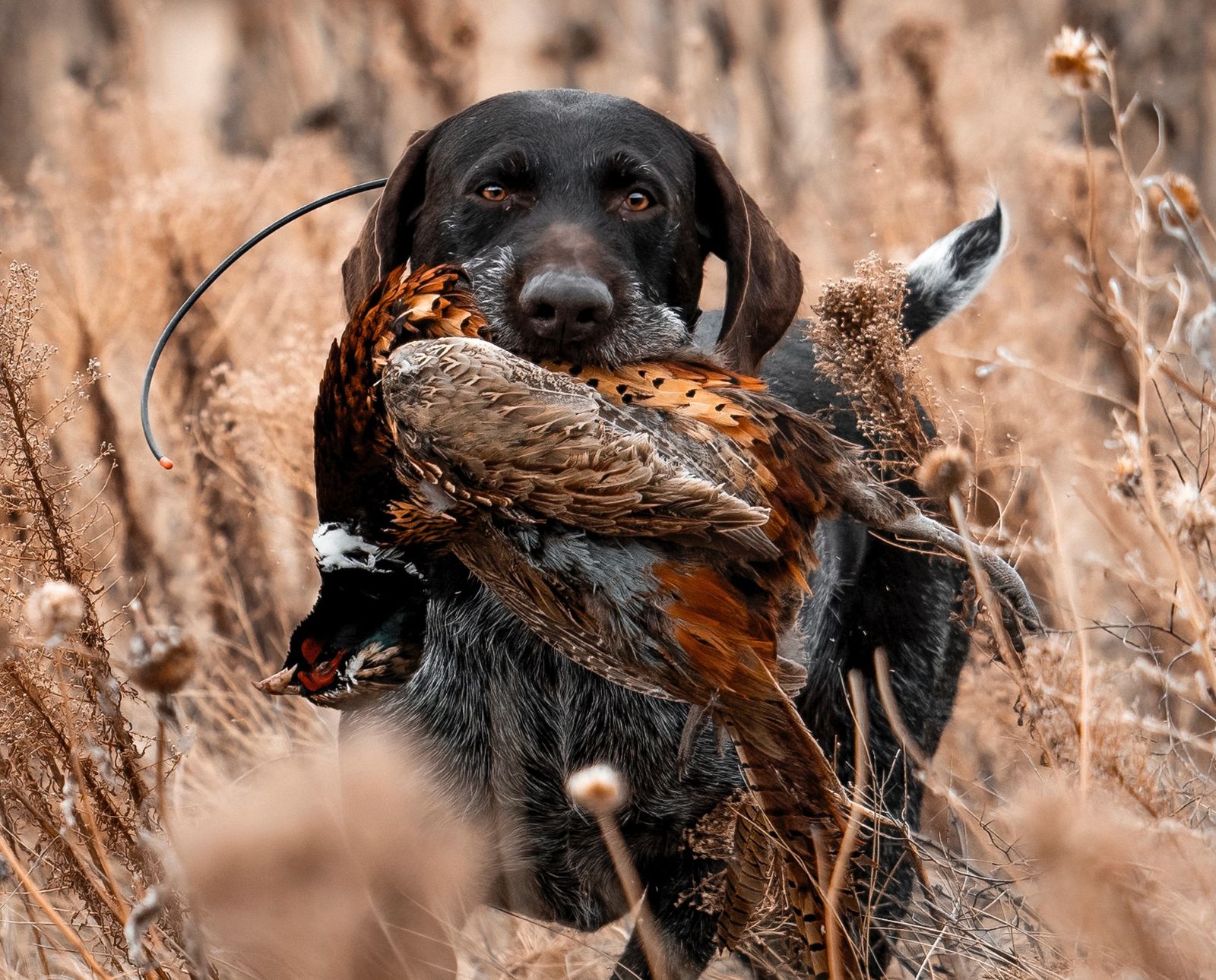
History, adaptability, and accessibility of North America’s most charismatic and popular game bird
When Owen and Gertrude Denny first released the ring-necked pheasant into the Willamette Valley of Oregon in 1881, they likely had no idea this simple release and others in Oregon in subsequent years would create a revolution in upland bird hunting in North America. Owen Denny was a United States special consul stationed in China in the late 1800s. Chinese farmers caught pheasants in nearby fields and sold them in local markets. Denny considered them delicious. He noted they were “very gamey and will furnish fine sport,” so he resolved to bring birds back to his native Washington to see if they could flourish in a strange new land.
Flourish, they did! The U.S Department of Agriculture noted that ringnecks were “common” locally in Washington and Oregon in 1889. By 1892, a mere eleven years after the first release, a pheasant hunting season opened in Oregon. A reported 50,000 birds were harvested on opening day. I find that number to be somewhat unbelievable. However, even if just ten percent of that many birds were actually harvested, then the releases were a resounding success.
Given this success, pheasants were released in states all over the country. These birds now stand as our most popular upland game species. So how did this immigrant from a distant land achieve such mythical status among American hunters?
Ring-necked Pheasants are Highly Adaptable
The ring-necked pheasant (Phasianus colchicus) is one of the most adaptable upland game birds in the world. Other pheasant species have been released in America and abroad, but only the ringneck has caught on.
Limitations to the Ring-necked Pheasant’s Range
Forgetting about America for a moment, the ringneck is a common breeding bird across Europe where it is also a popular game species. In North America, wild pheasants occur from Ohio to Washington and from the southern Canadian prairies to northern Texas. They only seem limited by extreme cold on the northern fringes of their range and by some unknown combination of factors on the southern edge.
Speaking of that limited southern range, much has been speculated as to why pheasants don’t occur in seemingly good habitat across the Southeast. Some have posited it’s a combination of heat and humidity that keeps pheasants at bay. One researcher speculated that soil lacking sufficient levels of boron for egg production may be the culprit. Soils may have some merit as pheasants are most common north of the southern extent of the last major glaciation period. This glacial till soil may have nutrients wild pheasants require that non-glaciated soils don’t have.
While we may never figure out why pheasants cannot extend across the depth and breadth of North America, it is clear they are adaptable enough to be common and provide excellent sport across a wide range. But why are ring-necked pheasants so adaptable? It has something to do with their ability to reproduce successfully in a variety of habitat types.
Adaptability During the Nesting Season
Typically considered a grassland species, pheasants will use a variety of grassland habitats in which to nest. Nesting locations range from tall warm season grasses in bobwhite quail and prairie chicken country to short grasslands where sharp-tailed grouse and Hungarian partridge feel right at home. They are also happy to nest in mixed sagebrush/grassland habitat where valley quail thrive. Grassy road ditches are heavily used where large acres of grasslands are lacking. In heavy agriculture areas, they will even use wheat stubble and alfalfa fields for nesting.
The bottom line is that they are successful breeders that tolerate a wide range of nesting and weather conditions. One caveat to this is that these grassy habitats must be within a larger matrix of cropland where waste grain is common in the winter. Pheasant populations reach their absolute highest in America’s central and western farm belt, where grain is common. While birds can survive on native foods produced in natural habitats, their numbers will never be maximized there.
Pheasants are “Charismatic Microfauna”
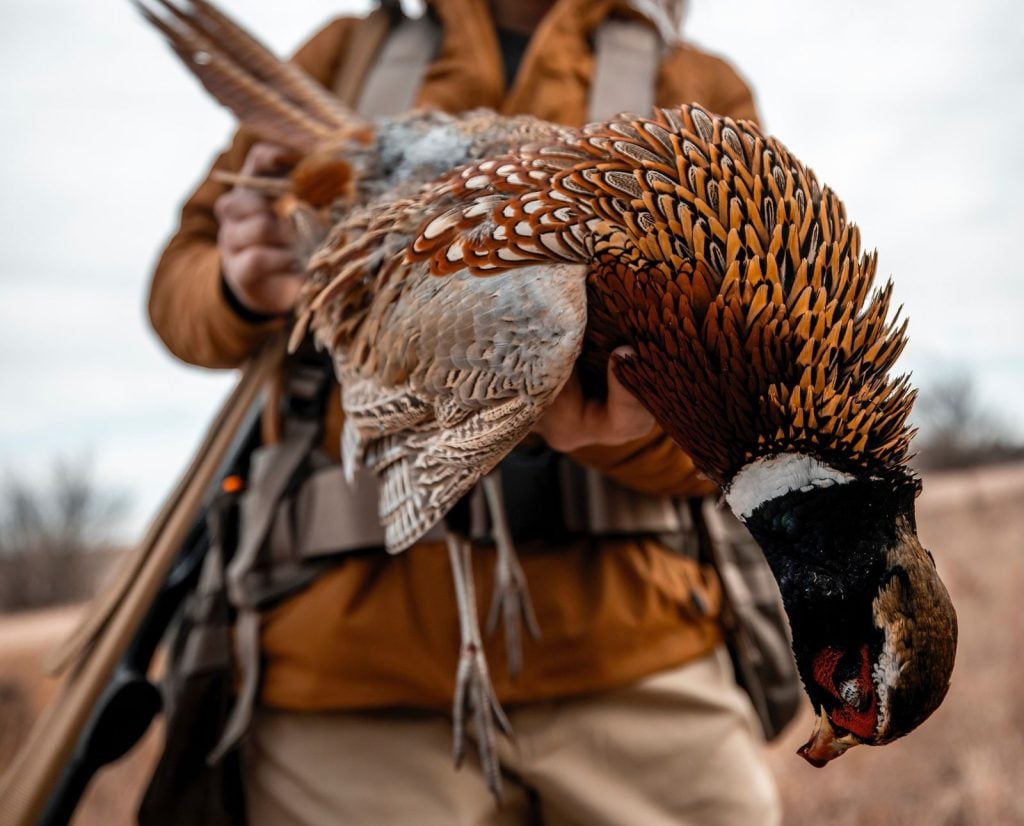
All North American game birds have a certain level of beauty, charisma, and charm that keep uplanders coming back for more. Bobwhites are nondescript, but the explosion of a covey and the striking beauty of a late-season bob is incredible. Ruffed grouse have a cult-like following and they can be as difficult to bag as any game bird out there. But let’s face it: no other game bird is as charismatic as a flushing rooster pheasant.
Big game people have a saying for certain large mammals that capture our imagination: “charismatic megafauna.” I consider the ringneck among the so-called “charismatic microfauna.” This is not only because of their colorful and bold markings. It’s also because they have a certain characteristic that has captured the imagination of even the most part-time upland hunter.
Every year, thousands of people that hunt no other game bird (and might be more interested in ducks and deer) descend on the prairies of North America to chase pheasants for a weekend or two. In fact, according to Project Upland’s 2025 Community Survey, 74 percent of respondents hunt pheasants more than three times each year. There is just something about a large, long-tailed, fantastically colored bird flushing mere yards away. It awakens a level of awe that most game birds cannot match.
Now, I would argue if more folks would expand their upland experience to other species, they would feel that same sense of excitement. But one cannot overlook the hold ringnecks have on American hunters. It was that same sense of awe for the bird that inspired the Dennys to bring birds over to America in the first place. The ability to hunt a species of such exotic origin and character in our own homeland is a prospect too exciting to ignore.
Ring-necked Pheasants Are Easy to Access
The ringneck is one of North America’s most easily accessible game birds. I argue that the bobwhite used to hold that title. However, dwindling populations and the need to have good pointing dogs to be successful on quail has reduced their accessibility. I already mentioned that pheasants inhabit a wide range across the country, so there are tons of areas where pheasants can be easily and successfully hunted. States like Kansas, Nebraska, South Dakota, North Dakota, and Montana have robust amounts of publicly accessible pheasant habitat. In these states, the average hunter stands a good chance of encountering birds. Additionally, millions of acres of pheasant ground can be accessed by paying a daily trespass fee or by hunting with a qualified outfitter.
Can You Hunt Pheasants Without a Dog?
Even dogless hunters can get in on the action. Pheasants are one of the few game birds where hunters without a bird dog can experience success. Of course, a bird dog will increase the success rate and enjoyment of any bird hunt, while dramatically reducing crippling loss, but the point is that the dogless among us can still get into the game.
READ: Avoiding Common Pheasant Hunting Mistakes
Hunting Pheasants in Large Groups
Pheasants are also often hunted by large groups of family and friends. Few other game birds can be hunted in such large groups. Pheasant hunting therefore often brings with it a sense of camaraderie and togetherness that has much the same feeling as a deer camp or duck blind. Grandparents can share the same walk with grandkids and pheasants provide youngsters with a real chance for success. Stories of great shots and light-hearted teasing of missed shots can be shared at the end of the day over grilled pheasant breasts. These experiences fuel the desire to return year after year for more, resulting in pheasants being responsible for more youth recruitment to the upland ranks than any other species.
Pheasants Make Great Table Fare
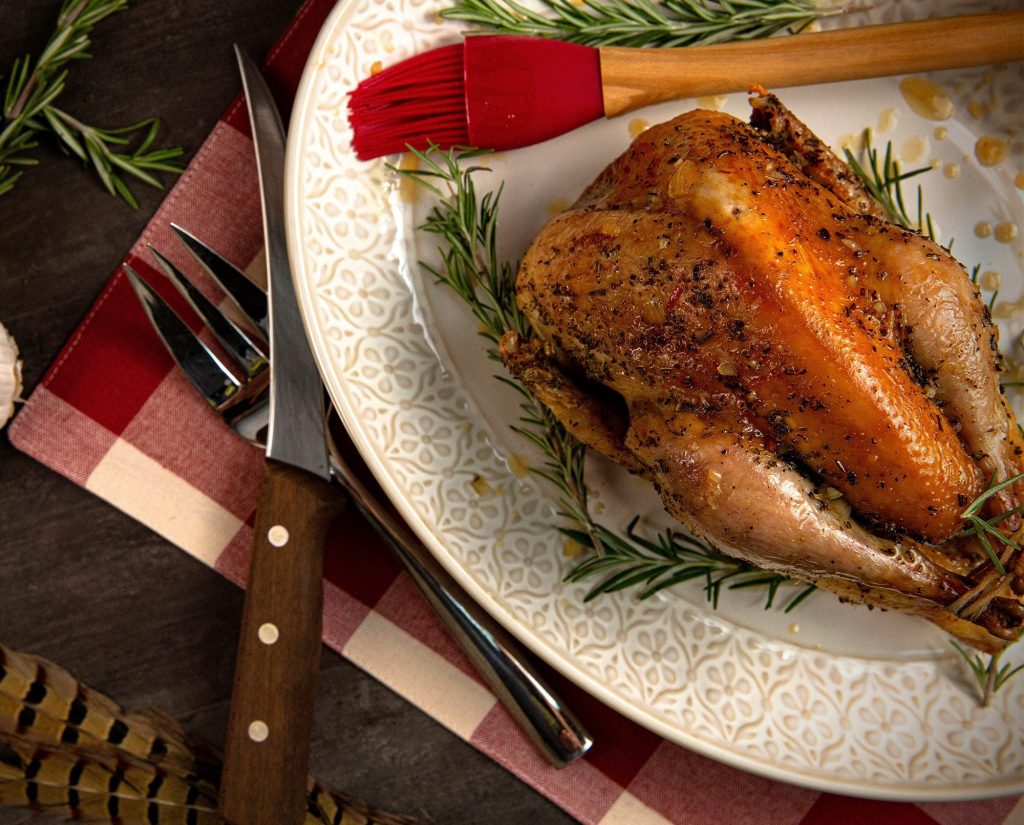
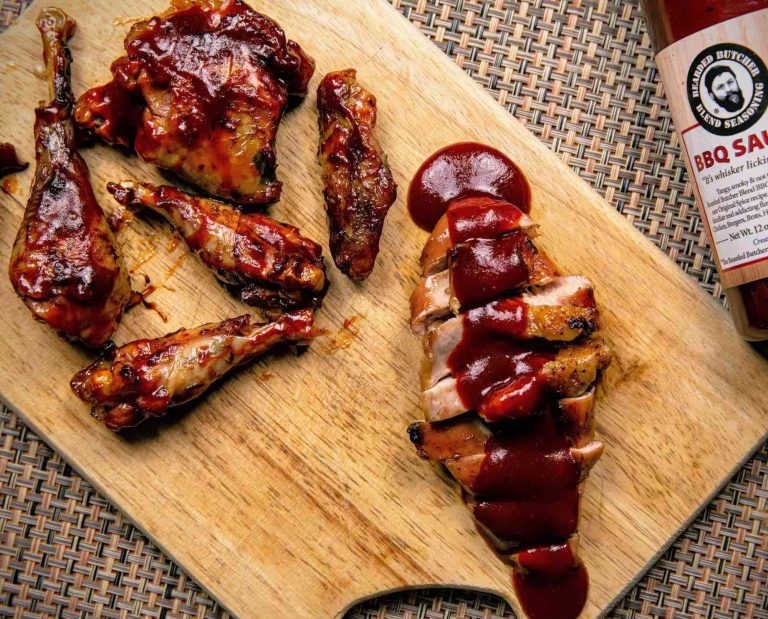
I cannot finish a story on the popularity of pheasants without speaking briefly on just how delicious they are. The plump, white breast allows for a wide range of preparation from frying, grilling, roasting, to whatever else one might want to try. The legs, though tough and stringy, provide opportunities for slow cooking and soups.
COOK: Project Upland’s Pheasant Recipes
No matter how you cook them, pheasants are delicious.
Dollars Spent On Pheasant Conservation Benefit Countless Other Species
While bobwhites still hold the top spot in my heart, I must hand it to the ring-necked pheasant. It has thrived while other species, like eastern ruffed grouse, have not. Along with that, has brought a lot of attention and dollars to the plight of the game birds and grasslands habitat needed for them to thrive. The dollars spent in the name of pheasant conservation have benefited a wide range of other species, from my beloved bobwhite to a host of grassland birds, ducks, and pollinators. No other upland game bird has been able to do that, and to the pheasant, we owe a lot of thanks.
Owen and Gertrude Denny deserve a shout out for their tenacity to bring pheasants to North America. They got the ball rolling and inspired folks around the country to try the same. Uplanders owe the Dennys and others like them a debt of gratitude and I can think of no other way to repay that debt than to get out, chase pheasants, work to conserve habitat to preserve the future of this very special species.


Thank you very much, I loved this article.
You may not see this, but in case you do, can someone sensibly answer this question about wild pheasants in Norther California?
Yolo Bypass Wildlife Refuge has a successful breeding population of pheasants. Yet, ~1.5 hour drive to the north, Gray Lodge Wildlife Refuge— with 100s of acres of possibly even better cover — has had almost no pheasants. Walking hours there it’s common to not hear a rooster calling.
Why is that allowed to happen, when the same dollars of license fees are paid to the State officials annually?
Great article. However it should be noted that there still are some wild pheasants in Western NY and PA. Not many. However in the heyday of the Soil Bank program they were plentiful. So much so that in 1968 over 500k were harvested. School was cancelled on opening day in many districts. Unfortunately that is no longer the case but there are efforts underway to transplant more wild birds.