


Hunting Wild Bobwhite Quail in Prairie Grasslands
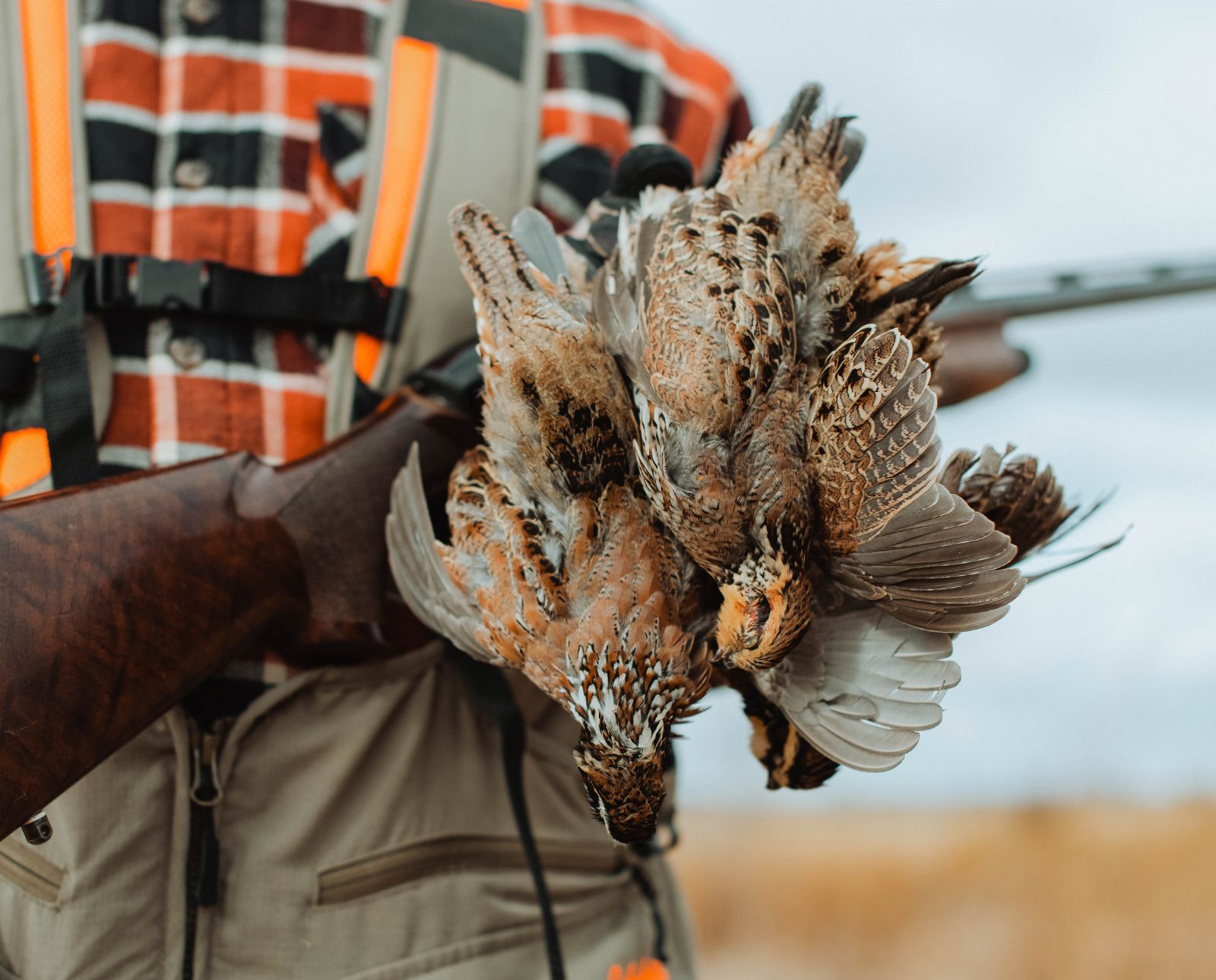
A wildlife biologist’s perspective on finding and hunting bobwhite quail in vast prairie landscapes
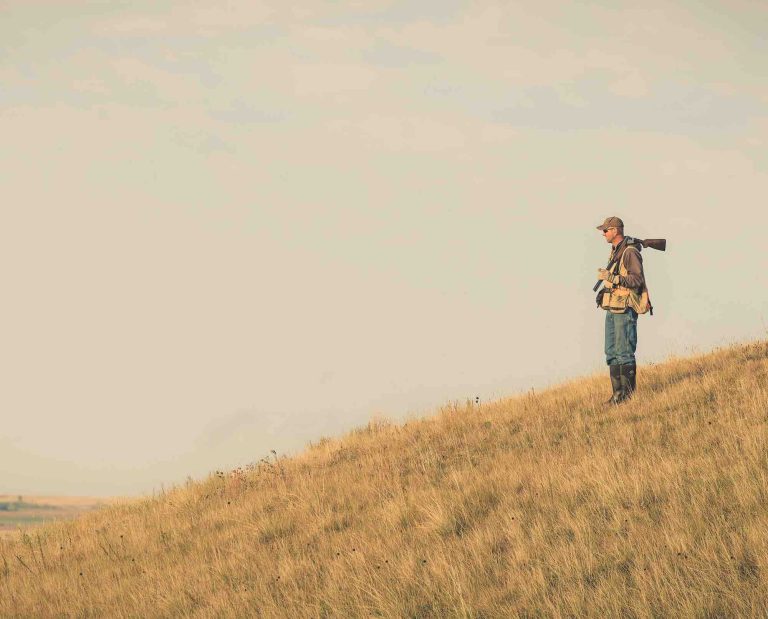
Prairie landscapes have always held a special place in my heart. Perhaps it’s due to being raised in Kansas, or maybe it’s because I’ve been fortunate to manage several prairie grasslands throughout my career as a wildlife biologist. More likely, it’s the satisfaction of being immersed in a vast landscape that still resembles what people saw hundreds of years ago when they first ventured west. Regardless, prairie grasslands are one of my favorite habitats to manage, as well as places to pursue bobwhite quail.
From understanding the difference between native and planted grasslands to pinpointing food sources and listening for morning calls, successful bobwhite quail hunting on the prairie starts with knowing how these landscapes work.
Not All Grasslands are Created Equal
There is a significant difference in planted grasslands compared to a native prairie grassland. Most planted grasslands (think Conservation Reserve Program, or CRP, fields) are dominated by grass and lack plant diversity. Forbs, wildflowers, broadleaf plants, or whatever term you want to use, are usually scarce in CRP-type plantings. That’s not to say all plantings lack diversity. There are plenty of more recent plantings that were focused on forbs for pollinators and quail that have tremendous diversity. But compared to the acres of old school CRP plantings, these newer, diverse plantings make up a small fraction of plantings across the country.
Native prairie grasslands, on the other hand, are grasslands that have never been plowed. In some parts of the country, they may have suffered from repeated sprayings to reduce the “weeds,” which I prefer to call forbs. However, these areas have still managed to avoid the plow. Many native prairies have remained intact simply due to the amount of sandstone or limestone at the surface, making farming impossible.
Regardless of the reason for a native prairie’s modern-day existence, they are nearly always much more diverse than the majority of native grass plantings. Some prairies boast upward of 200 or more species of plants. This diversity makes these areas ideal for a wide variety of insects, which provide quail food all summer. This diversity also means scores of different seed producing plants which provide food during the fall and winter for bobwhites.
I hunt plenty of CRP plantings and find plenty of quail. However, many of those coveys are using adjacent crop land to subsist all winter. Large, diverse native prairies have the ability to hold bobwhites all year due to the wide array of plants providing everything a quail could ever need.
Hunting Quail in Grasslands Can Be Daunting
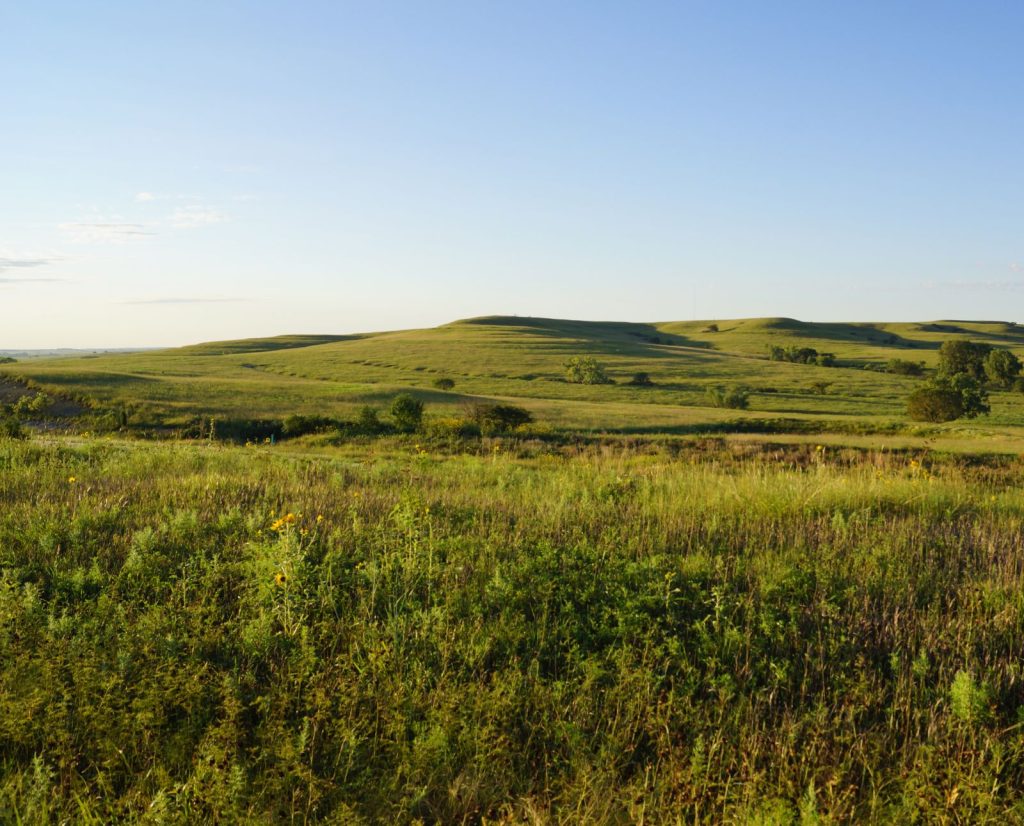
Areas as vast as Kansas’ Flint Hills or Cimarron National Grasslands, Oklahoma’s state and federal grasslands, or even the larger tracts of prairie in Missouri or Iowa can be anywhere from 500 to over 10,000 acres. Staring across several thousand acres that all look the same can leave a quail hunter scratching their head.
I have hunted bobwhite quail in native prairies across several states, some of which have been stellar hunts. What’s the secret? Miles and miles of boot leather on the ground. No doubt, every hunter will miss coveys when trying to hunt large, vast landscapes. However, because most of the habitat is usable, there are usually several coveys on every tract. If you cover enough ground, statistically, you stumble into more coveys. It’s that simple; just keep walking.
Hunting Bobwhite in Grasslands: Where to Start
Every quail hunter knows thickets or brushy cover are essential for quail survival and a key area to focus while hunting. I was fortunate enough to be involved with a large-scale research project tracking bobwhites on prairie landscapes in southwest Missouri. During summer months, quail not only used draws and large thickets, but they readily used very small thickets or other woody cover for thermal cooling and escape from predators. Shrubby thickets the size of a kitchen table were sufficient during the summer breeding season. However, during fall and winter, we saw coveys shift to larger thickets or heavier woody draws. Isolated small thickets located hundreds of yards from any other shrubby cover rarely held birds in winter months.
If you are hunting places like the Flint Hills of Kansas, there are often hundreds of acres of prairie that are completely void of thickets. These areas can be written off immediately. Focus your search on areas with adequate woody escape cover. In places like western Oklahoma that are dotted with shinnery oak motts as far as the eye can see, there aren’t many acres to write off. That’s ok. It just means more places for a covey to hide, which goes back to my earlier statement: just keep walking.
Identify Bobwhite Food Sources
During hunting season, prairie bobwhites are primarily relegated to eating seeds from forbs. In some locations where oak species produce small acorns, quail can be found consuming these woody treats. Shinnery oak, pin oak, and post oak all produce a small acorn that are readily consumed by quail. In these instances, quail may be feeding in or near the same locations they are using for escape cover.
In most grassland situations, though, quail are living off forb seeds. Throughout a prairie, there are subtle changes in vegetation composition. Some areas, particularly lower lying, wetter areas tend to be dominated by grasses. Disturbed areas, edges along draws, and side slopes tend to have a greater diversity of annual and perennial forbs. If these types of sites are near adequate shrubby cover, then there is a good chance these are preferred feeding sites.
I always look at the crop contents of the first few birds I harvest on a prairie in hopes I can identify some of the seeds they have been eating. If the crop contents have a consistent pattern of a certain species or two of seeds, I narrow my focus to areas harboring the preferred plant types.
Listen for Bobwhite Quail’s Breaking Roost Call
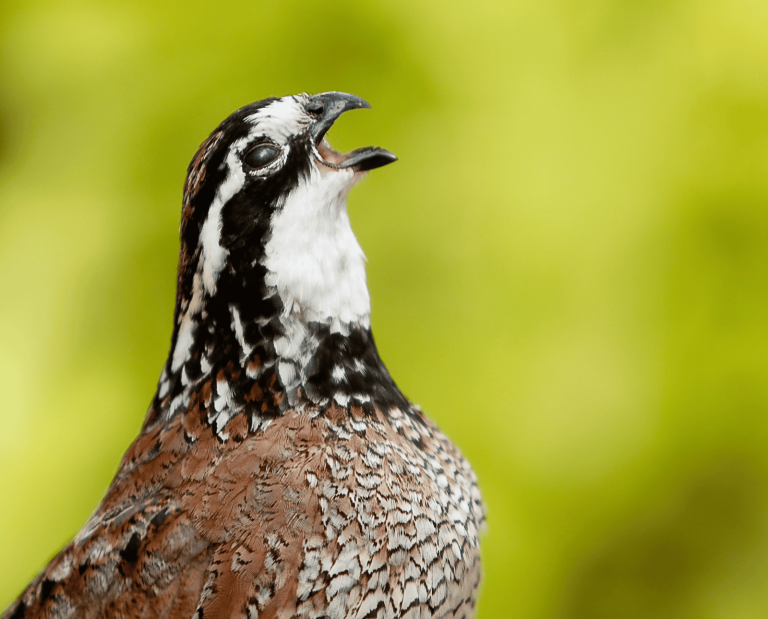
Coveys of bobwhite quail whistle most fall mornings right at the crack of dawn. They emit a “koi-ee” whistle which is known as the breaking roost call or early morning covey call. It’s a way for coveys to keep track of where other coveys are located. Over time, as hunter harvest and predation whittle a covey down to six or eight birds, coveys will often join together to get back to a ten or twelve bird covey.
When faced with hunting a giant landscape, I often go out early and listen for this morning covey calling. This can help me get some general locations where coveys are located and how many coveys might be located on a given tract of land. Keep in mind, this is a breaking roost call, so these birds don’t necessarily stay in the exact same location for hours after whistling. I don’t find every covey I hear, but it helps me know what portions of the prairie to focus my search.
Don’t be intimidated by vast prairie landscapes. Big running dogs are a great asset to cover the maximum amount of ground. Look over some aerial maps, identify sites with adequate shrubby thickets, then get out early in the morning to listen for calling birds. Then it’s just a matter of unloading the dogs and wearing off some boot leather.

Thanks for this. Good information