

Bird Hunting in Quebec: A Complete Guide for Non-Resident Grouse and Woodcock Hunters
Learn how non-resident hunters can legally hunt birds in Quebec, including licensing, public land options, outfitters, and travel requirements
Last Updated: February 2026
Bird hunting in Quebec offers non-resident hunters access to vast public lands and diverse upland habitats that support species such as ruffed grouse and American woodcock. Quebec, the largest province in Canada, is divided into 21 tourist regions and 29 hunting and fishing zones, each with its own landscape, wildlife populations, and hunting conditions. As a result, the way game birds behave and the type of habitat they occupy can vary significantly from one zone to another.
Nearly 50 percent of Quebec’s surface is covered by forest, and approximately 92 percent of the province is public land, making it one of the most accessible destinations in North America for do-it-yourself bird hunting trips. From private farmland and woodlots in the St. Lawrence Valley to expansive mixed and boreal forests farther north, Quebec provides a wide range of opportunities for hunters traveling with bird dogs in search of wild upland game.
Upland Bird Hunting Species, Seasons, and Bag Limits
Non-resident hunters must purchase a Quebec small game hunting license to hunt ruffed grouse and other non-migratory upland birds. To hunt American woodcock, a Canadian Migratory Game Bird Hunting Permit is also required.
| Species | Location | Season Dates | Daily/Possession Limits | Notes |
| Ruffed grouse, spruce grouse and sharp-tailed grouse | 1, 2 (except Île Verte), 3, 4, 5, 6, 7, 8, 9, 10, 11, 12, 13, 14, 15, 16, 17, 18, 20, 21, 26, 27, 28 | From September 19, 2026 to January 15, 2027 | 5/15 | The use of a crossbow is prohibited in zone 17 |
| Ruffed grouse, spruce grouse and sharp-tailed grouse | 19 South, 22, 23, 24, 29 | From September 12, 2026 to January 15, 2027 | 5/15 | |
| Grey partridge | 1, 2, 3, 4, 5, 6, 7, 8, 9, 10, 11, 12, 13, 14, 15, 16, 17, 18, 19 South, 20, 21, 22, 23, 24, 26, 27, 28, 29 | From September 19, 2026 to November 15, 2026 | 5/15 | The use of a crossbow is prohibited in zones 17, 22, 23 and 24. |
| Rock ptarmigan and willow ptarmigan | 1, 2, 3, 4, 5, 6, 7, 8, 9, 10, 11, 12, 13, 14, 15, 16, 17, 18, 20, 21, 26, 27, 28 | From September 19, 2026 to March 31, 2027 | 10/30 | The use of a crossbow is prohibited in zone 17. |
| Rock ptarmigan and willow ptarmigan | 19 South, 29 | From September 12, 2026 to March 31, 2027 | 10/30 | |
| Rock ptarmigan and willow ptarmigan | 22, 23, 24 | From September 12, 2026 to April 30, 2027 | 10/30 | |
| Quail, northern bobwhite, pheasant, francolin, rock partridge, chukar partridge, red-legged partridge and guinea fowl | 1, 2, 3, 4, 5, 6, 7, 8, 9, 10, 11, 12, 13, 14, 15, 16, 17, 18, 19 South, 20, 21, 22, 23, 24, 26, 27, 28, 29 | August 1, 2026 to December 31, 2026 | No bag limit or possession limit | The use of a crossbow is prohibited in zones 17, 22, 23 and 24. |
| Cottontail rabbits and hares | Zone 8 | 5 per day | Snaring is prohibited | |
| Cottontail rabbits and hares | Île du Havre Aubert (Îles de la Madeleine, zone 21) | 2 hares per day | Snaring is prohibited | |
| Cottontail rabbits and hares | All Other Areas | No limit | ||
| Training and competition activities for hunting dogs, using quail, northern bobwhite, pheasant, francolin, rock partridge, chukar partridge, red-legged partridge, rock dove, and guinea fowl | 1, 2, 3, 4, 5, 6, 7, 8, 9, 10, 11, 12, 13, 14, 15, 16, 17, 18, 19 South, 21, 22, 23, 24, 26, 27, 28, 29 | All year | The use of a crossbow is prohibited in zones 17, 22, 23 and 24 | |
| Migratory Birds (including woodcock) | Non-resident daily bag limit is 4 American woodcock | Refer to the Migratory Birds Hunting Regulations brochure from Environment and Climate Change Canada. |
This information was last updated on February 27, 2026. For the most up-to-date information, view Quebec’s hunting regulations.
In southern Quebec and the St. Lawrence Valley there are some very good upland hunting opportunities on private wood lots and farmlands. The growing popularity of deer hunting in the past 20 years, however, has made it harder for bird hunters to obtain permission to hunt as owners started renting access to their land exclusively to deer hunters.
As you get away from towns and drive north through the mixed and boreal forests the hunting and fishing possibilities become endless. The further north you go the more you will see ruffed grouse which tend to be harder to spook and can be very abundant depending on the cycle. This can be a very good opportunity to expose a younger dog to wild birds that are a lot more cooperative than the sporty king of game birds we find near farms and areas more easily accessible from the cities.
It is also legal to hunt spruce grouse in Quebec which can also be found in good numbers in certain areas.
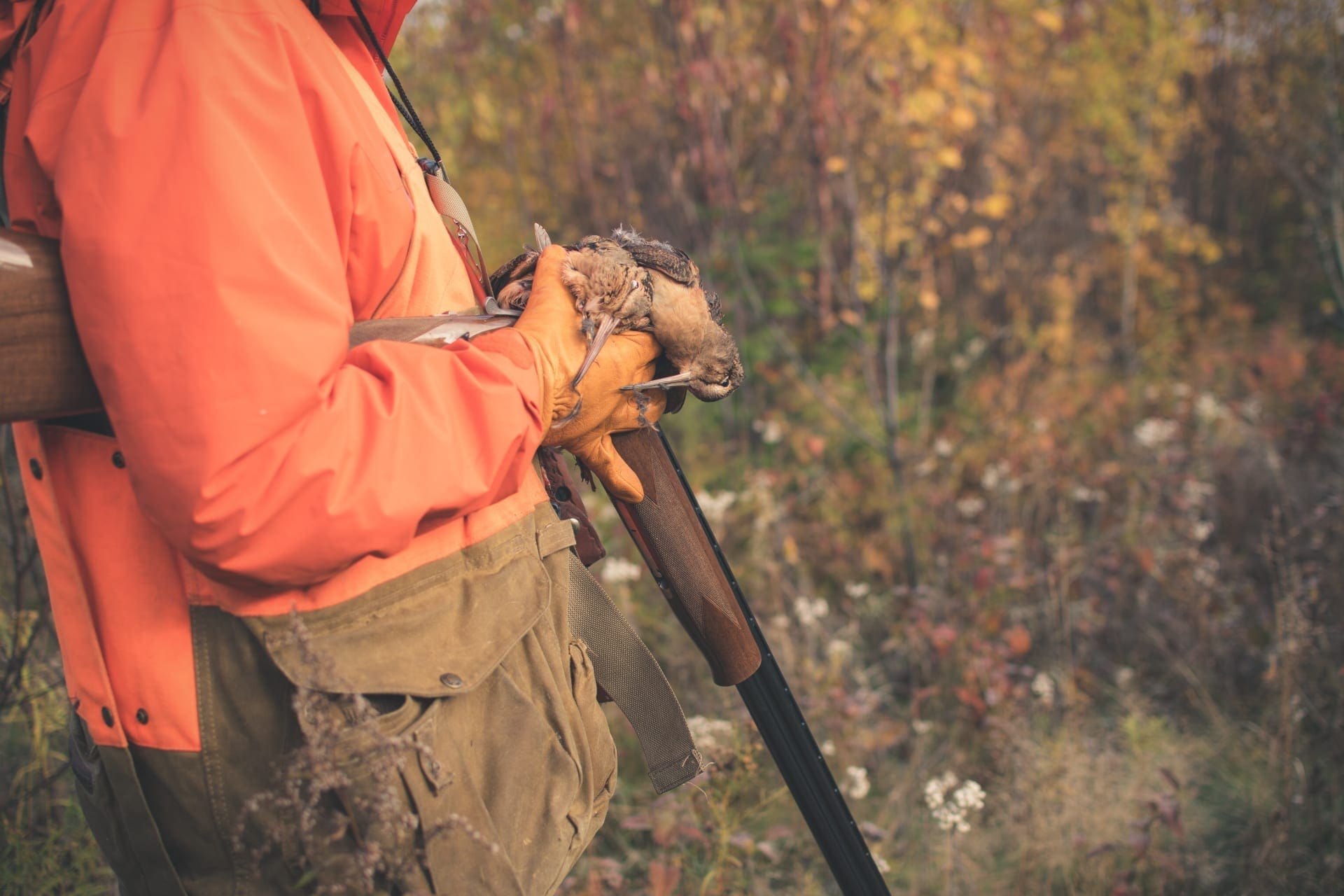
American woodcock arrive on their Quebec breeding grounds in early spring. You can hunt woodcock from mid-September until early December, but the best hunting opportunities occur during the month of October while they are migrating south. The American woodcock season generally opens September 15 but opens earlier in certain migratory bird hunting districts.
There are other upland game bird species present in Quebec as well: the Wilson’s snipe, sharp-tailed grouse, grey partridge, and ptarmigan can also be hunted.
Where Can Non-Residents Hunt Birds in Quebec?
Quebec has specific rules that non-resident hunters must follow.
For the non-resident grouse and woodcock hunters, there are three main options. You can book a stay in one of the Société des établissements de plein air du Québec (Sépaq) Wildlife Reserves, which are government owned and managed territories. You can hunt on a zone d’exploitation contrôlée or Controlled Harvesting Zone (ZEC), a privately managed but government owned territory. You can also book a trip with an official Quebec outfitter to hunt on exclusive territory.
Quebec Wildlife Reserves
The Sépaq Wildlife Reserve Network was founded in 1979 by the Quebec provincial government. There are 13 wildlife reserves that span over vast forests and wilderness areas across the province. Each reserve offers activities and services promoting the preservation of nature-related traditions, including hunting and fishing. Between September and the end of December, most reserves have long periods dedicated exclusively to small game hunting when it is possible to hunt ruffed grouse and woodcock without worrying about moose and deer hunter’s territories. You can either book a multiple day package and stay in a cabin, or purchase a daily access pass online or at the reserve’s entrance office.
Hunting on a reserve you will have access to miles and miles of logging roads and hiking trails where it is easy to hunt and explore until sunset, often without even seeing another hunter. It is easy to find good grouse and woodcock habitat on relatively flat and accessible terrain covered by a mix of young deciduous trees and alders on swamp edges and coniferous forests.
The cabins available for rent are rustic but very comfortable and well kept. Some are solar powered and some run on gas. The cabins are generally located on or near a lake where the views and surroundings are breathtaking. Dogs are not allowed inside most cabins and must sleep in a crate inside your vehicle.
Hunting in Controlled Harvesting Zones (ZECs)
ZECs are public territories where wildlife resources are managed by non-profit organizations. Each zone is headed by supervisors elected by paying members. There are 63 ZEC territories in the province which cover more than 11,861,058 acres.
To hunt on a ZEC, you must register and abide by the dates, times and sectors indicated in the registration document. Every ZEC has different hunting rules and periods. You will need to research and find one that suits your upland hunting needs. Most of them allow small game hunting and have great grouse and woodcock habitats. When hunting in a ZEC zone, some areas may require you to document and report your harvest particularly for spruce and ruffed grouse.
To obtain additional information, call Zecs Québec at 1 (866) 567-0235. You can also contact the organization that manages the ZEC that you wish to visit directly.
Bird Hunting License Requirements
| License | Resident | Non-Resident | Notes |
| Small game, firearm, crossbow, bow and snare | $24.19 | – | License for residents only |
| Small game, firearm, crossbow and bow (no snare) | – | $112.57 | License for non-residents only |
| Hares and cottontail rabbits | $25.20 | – | License for residents only |
| Migratory Game Bird Hunting Permit | $17 | $17 | Cost includes the Canadian Wildlife Habitat Conservation Stamp ($8.50) |
| Wild turkey, spring | $41.89 | $202.25 | |
| Wild turkey, fall | $18.87 | $68.64 | |
| Replacement license | $7.01 | $7.01 |
This table was last updated on February 27, 2026. For the most up-to-date information, please visit Quebec’s hunting license webpage.
Non-Residents Need a Guide to Hunt Woodcock in Quebec
It is not required by law that non-residents use the services of a guide to hunt small game in Quebec unless you travel and hunt north of the 52nd parallel. However, non-residents are required by law to use the services of a guide to hunt woodcock unless they are hunting on a Wildlife Reserve or a ZEC.
You will need to purchase a Quebec Small Game Hunting license to hunt non-migratory game birds. You will also need a Canadian Migratory Bird Hunting License if you want to hunt American woodcock. But remember that regulations for non-resident migratory bird hunters may change. Hunters should verify current requirements with Environment and Climate Change Canada before planning their hunt.
Hunting Dog Regulations
When hunting with your dog, it is a legal requirement to have your name and telephone located on the collar and that the collar is worn at all times. It is illegal to allow any dog to roam free in areas with big game, including deer, moose, and bears. As such, it is required that the hunter have control and be near the dog while it is hunting.
Blaze Orange Requirements
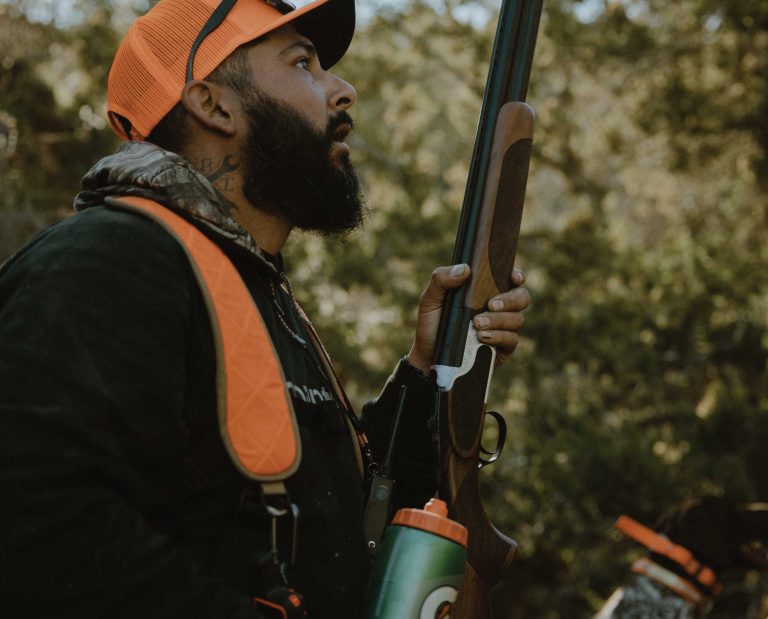
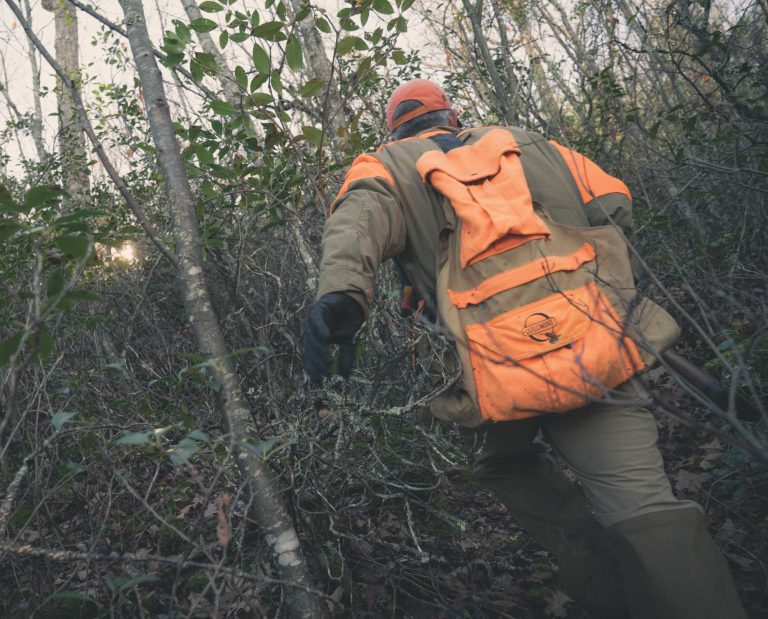
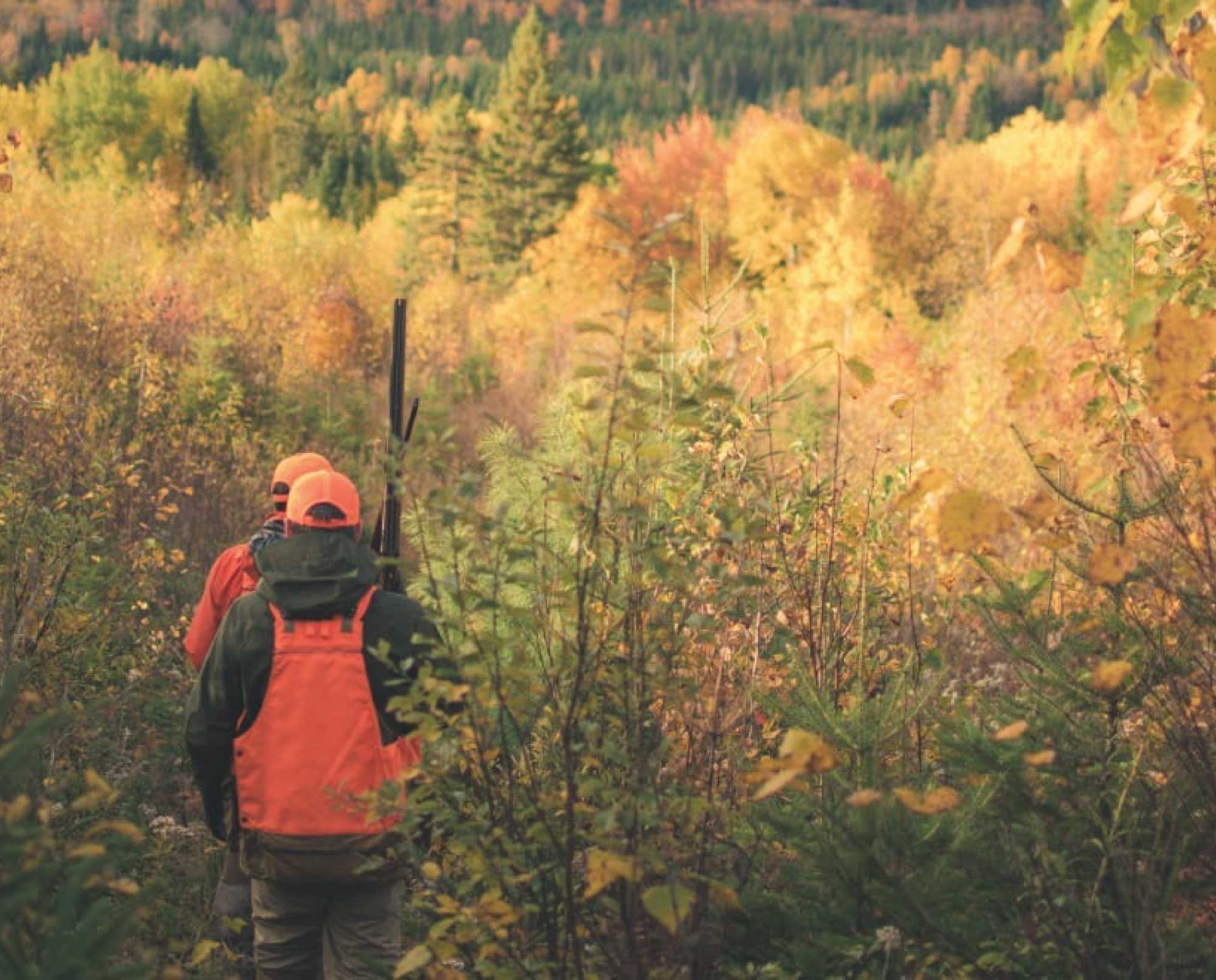
You are required to wear a blaze-orange hunting vest or jacket at all times when hunting small game and upland birds. The fluorescent orange should cover at least 400 square inches of the hunter’s chest, shoulders and back.
Regulations may change. Hunters should consult both Quebec provincial regulations and Environment and Climate Change Canada before traveling.
Quebec Outfitters
Quebec has more than 600 outfitters who specialize in organizing hunting and fishing getaways. Booking a trip with a Quebec Outfitter at a hunting lodge is the easiest way for non-residents as you will be able to benefit from the services of a hunting guide who knows both the area and the regulations. A lot of the lodges offering upland packages are located in prime woodcock migration corridors where it is not rare to witness over 30 flushes a day. You will also be hunting on exclusive territory that has been exposed to lighter hunting pressure and where habitat has been managed to favor grouse and woodcock.
Dog and Firearm Declarations: Crossing the Border into Canada
You will have to declare all of the firearms and ammunition you are traveling with at Canadian customs. You have to be 18 years or older to bring firearms into the country and can only bring in a maximum of 200 shotgun shells per hunter. Most hunting shotguns and rifles are considered non-restricted firearms and will only require you to fill out the non-resident declaration form and pay a 25 Canadian dollar fee for a temporary possessions license. You can download the form here to fill out in advance. It is also recommended to immediately mention that you are bringing in hunting firearms to the Canadian customs agent so he can direct you to the office. You will need your guns’ serial numbers to complete the form, but leave your firearms in your vehicle when going to the desk to finalize the declaration paperwork. You will then be issued a 60 day non-resident possession license valid for the declared firearms only.
Most handguns and semi-automatic rifles are considered Restricted Firearms in Canada and will be more complicated to bring in. For more information, visit the RCMP website.
You also need to declare your dogs and have a valid rabies certificate for each one of them.
Firearms Regulations
Once in Canada, and while traveling in Quebec, you will have to abide by certain federal and provincial firearms rules. In the province of Quebec it is mandatory that all your firearms be unloaded, locked and out of sight at all times while traveling outside of a wilderness area. Your ammunition should also be stored separately. It is legal to have an unlocked and unloaded shotgun or hunting rifle in your vehicle while traveling on a wildlife reserve, ZEC, or wilderness area where hunting is permitted.
Read: How to Bring Shotguns to Canada for Bird Hunting
Field Safety and Travel Considerations When Bird Hunting in Quebec
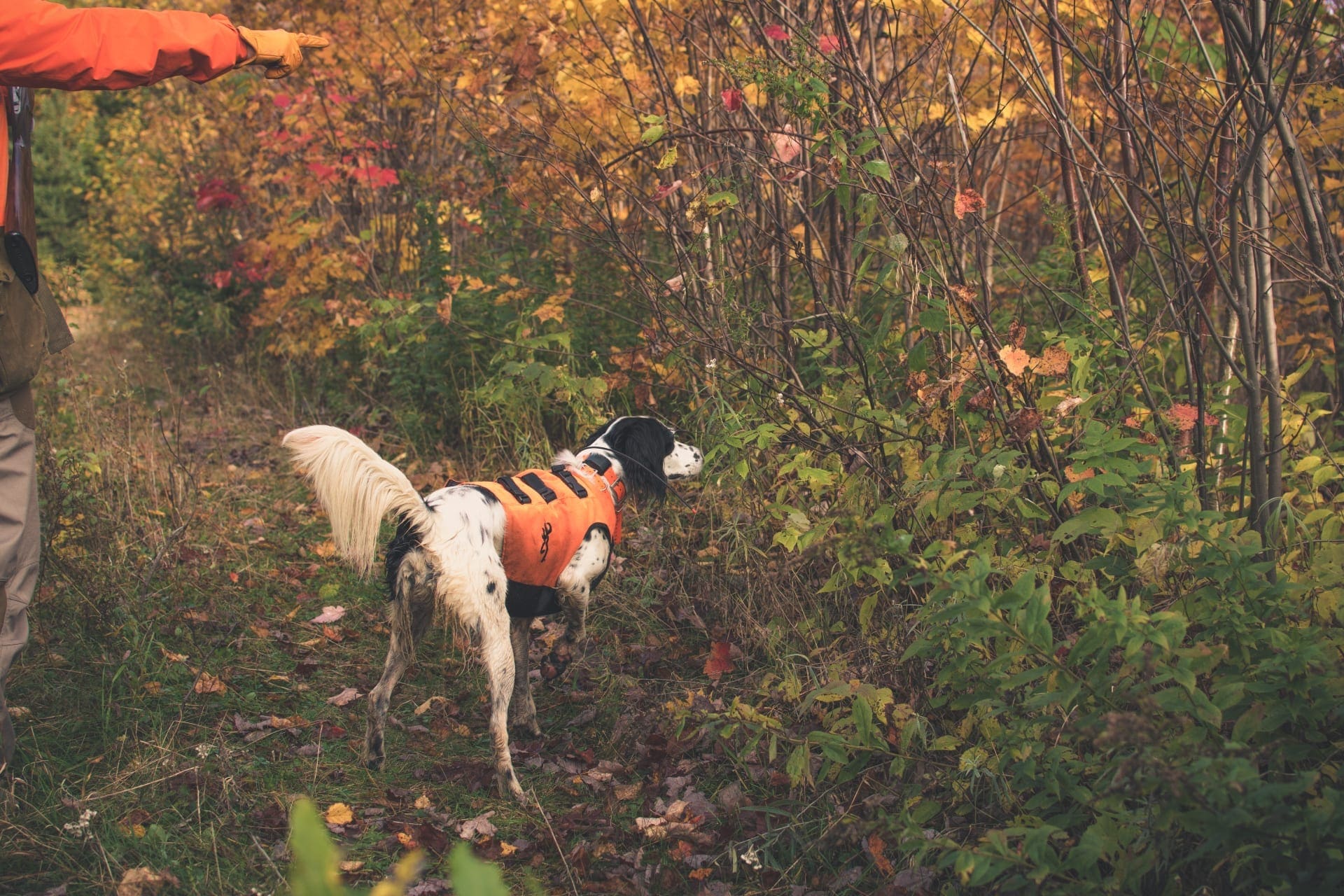
With the immensity of Quebec’s terrain, getting lost could happen to anyone. Having a good GPS and analyzing a map of your area before leaving for a day afield is a necessity. There are wolves in many hunting areas on the north shore of the St. Lawrence River; I personally always put a bell and a GPS collar on my dog. It is also important to know that trapping season begins around October 24 and there are trapping zones on wildlife reserves and ZECs. The biggest threat for our canine partners are snares, so carry a good pair of wire cutters at all times.
Quebec is mostly a French speaking province, so knowing how to say please and thank you will help when asking for directions or for clues on where to find good grouse cover. Most people speak and understand English and will be more than willing to help.
Bird hunting in Quebec offers non-resident hunters the opportunity to pursue ruffed grouse and American woodcock across vast public lands with relatively accessible licensing and travel requirements. Whether you plan to hunt on a Sépaq wildlife reserve, a ZEC, or with a licensed outfitter, understanding Quebec’s regulations, hunting zones, and firearm import rules is essential before crossing the border. With proper planning, Quebec can be one of the most rewarding destinations in North America for hunters traveling with bird dogs in search of wild upland game.