

How to Hunt Cottontail Rabbits: Still Hunting, Rabbit Drives, and Hunting with Dogs
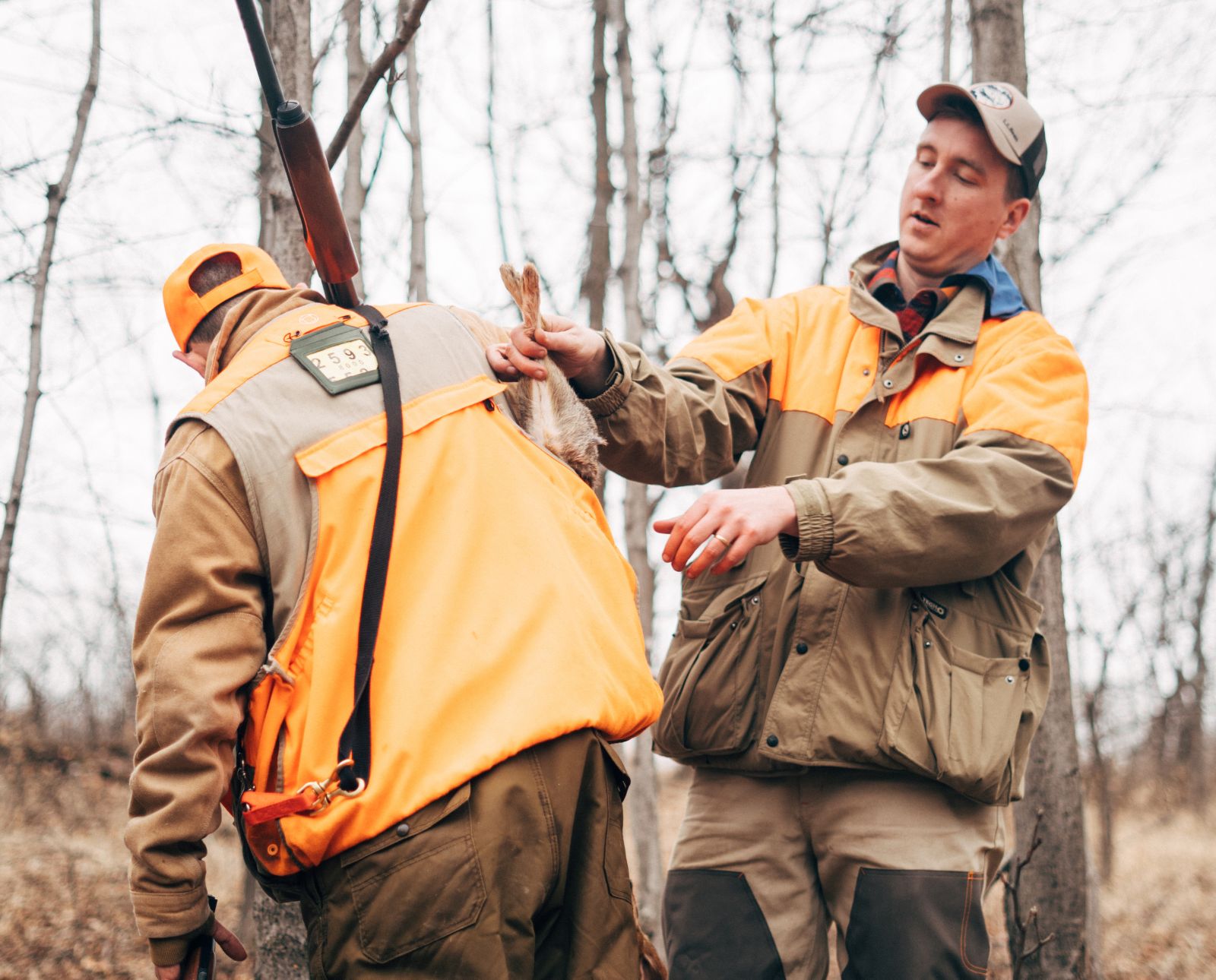
Learn three rabbit hunting techniques and put more rabbit meat on the dinner table all season long
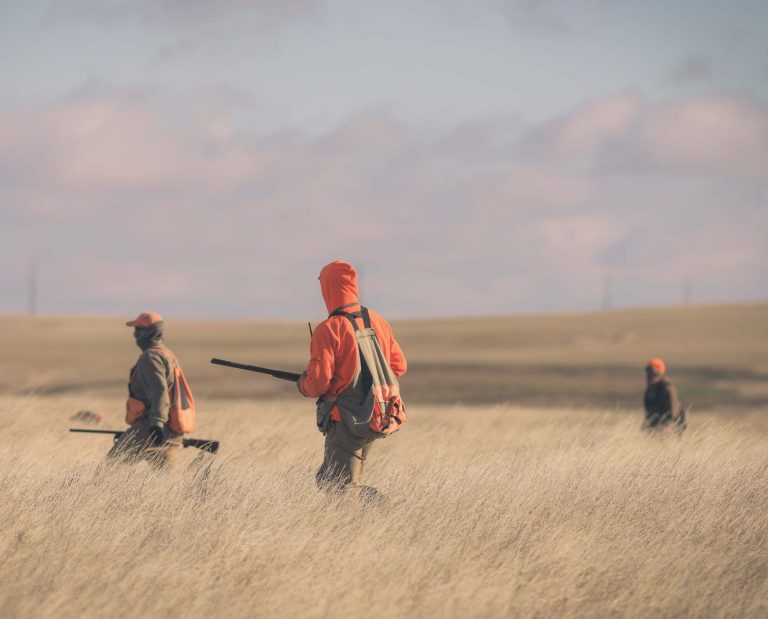
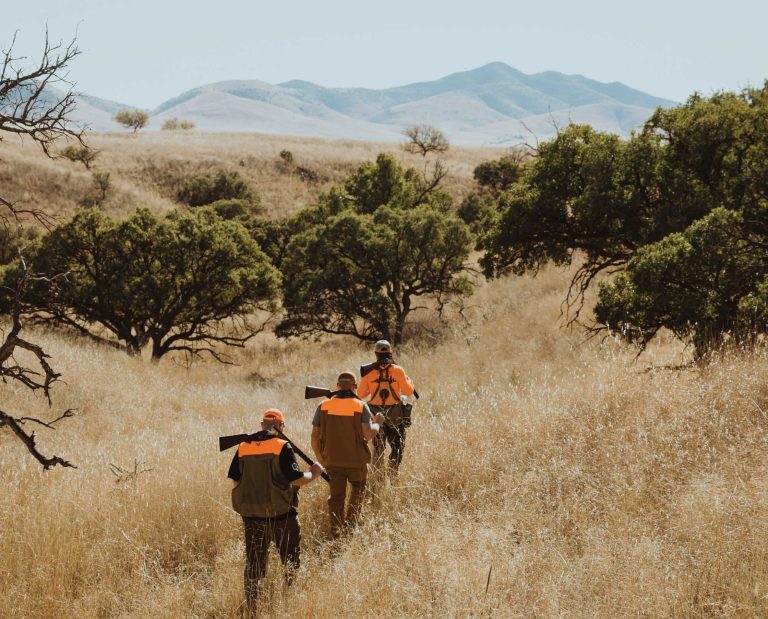
Few things can soothe the sting of closed bird seasons as a good cottontail rabbit hunt. Cottontails are generally abundant, can be challenging to hunt, and are delicious on the table. Rabbit seasons often extend well beyond the close of most upland bird seasons and some states have no closed season on bunnies. Bag limits are always more than any one person can eat so a day of successful rabbit hunting can make meals for several people. There are many ways to hunt cottontails, but three types stand out: still hunting, rabbit drives, and hunting with hounds. Let’s take a look at these methods, focusing on ways to help you put more cottontails in the bag.
The three best ways to hunt cottontail rabbits are:
How to Hunt Rabbits by Still Hunting
We might as well pull off the bandage and start with what I consider the most challenging way to harvest rabbits: still hunting. Big game hunters will recognize this method of hunting many species whereby one moves about very slowly in fairly dense cover, glassing carefully to spot their quarry before it spots them. The same applies to rabbits, but binoculars or spotting scopes are typically not used. The idea is to walk extremely slowly through cover looking for rabbits sunning in their forms, or daytime beds. Cold, sunny days are often best for this type of hunting as rabbits are more likely to be out of their holes, sunning themselves.
Why do I say this is the hardest method of rabbit hunting? It’s because rabbits are keen-eyed critters. They will nearly always spot you before you spot them. The key to upping your odds in this game is to creep along, looking for rabbit-shaped objects, perhaps the black dot of the eye. I’d say look for their upright ears, but bunnies often sit with their ears laid back, especially if they sense danger.
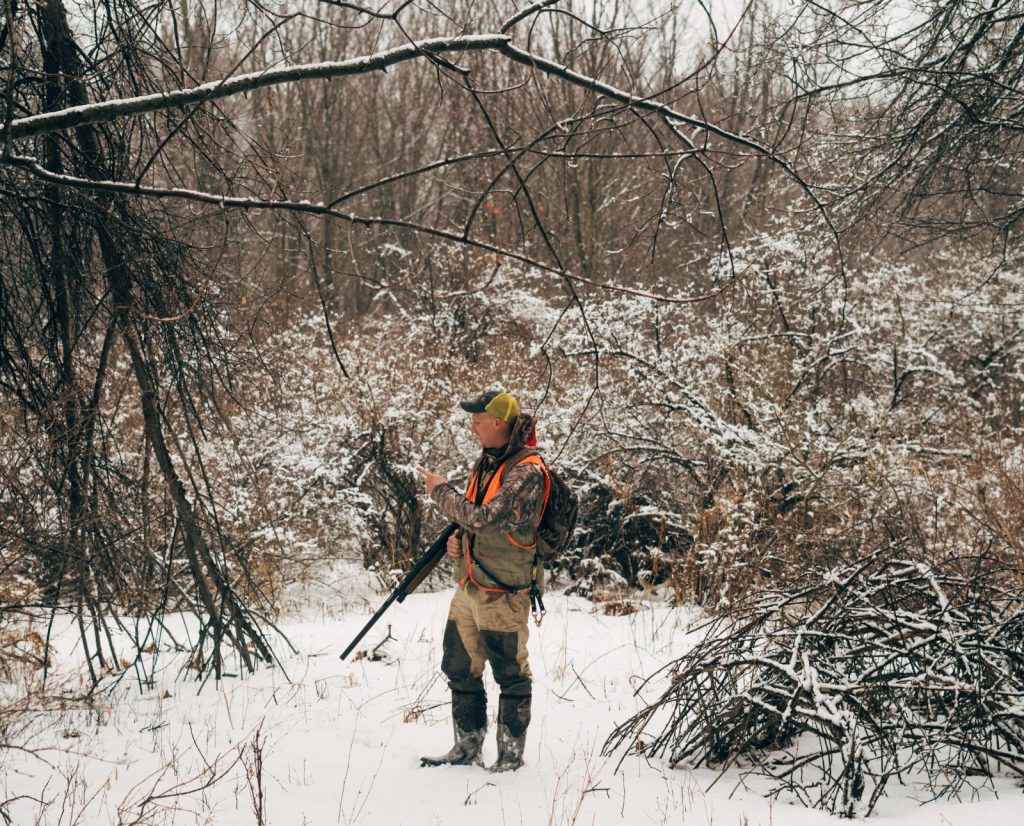
The absolute best time for still hunting rabbits is a few days after a snowstorm when the ground is covered with white, fluffy snow. The day of a storm or even one day later is usually no good as rabbits are in their holes waiting out the weather. But two to three days after a storm, and as long as the snow stays on the ground, can be excellent conditions for still hunting. The reason is simple. You can spot bunnies much easier against a white background. Additionally, the cold weather preceding a snowstorm will pull more bunnies out of their holes to feed and soak up valuable sunshine to help keep them warm. Also, tracks are more visible in fresh snow. Tracks might be of no more help than confirming rabbits are close by, but that’s alright. It at least lets you know if you are even in rabbit habitat or not.
Another tip when still hunting is to make sure and stomp or kick every brush pile, tree top, or overgrown brushy thicket. Rabbits routinely use these areas for overhead cover and a good stomp or two will often put them on the run.
No matter whether you prefer a shotgun or a .22 rifle, expect challenging hunting for rabbits who often get the upper hand. To illustrate this, let me relay a story. Once, a few days after a snowstorm, I was watching the old field behind my house from the sliding glass door. Soon, I saw a grey fox strolling down the trail out on a late afternoon hunt. Just then, I saw a rabbit over bust from cover over 30 yards away from the fox. The rabbit took off up another trail towards my house. The fox had no idea the rabbit was around, but the rabbit understood the danger and fled well ahead of any chance of getting eaten. Expect situations like this to occur when you are rabbit hunting.
How to Use Rabbit Drives to Hunt Cottontails
The once tree-lined prairie ditch on a piece of public land near my house was affectionately called the Rabbit Ditch. Years prior, Department of Conservation staff had dropped all of the trees along the ditch as a way of controlling woody encroachment on the surrounding prairie. The ditch grew up in a mix of weeds and shrubby cover. It was perfect for rabbits. The problem was the cover was so thick, still hunting was nearly impossible. Our only option to hunt that ditch was to implement rabbit drives, and boy, were they successful.
Depending on the width of the ditch, one to two hunters looped ahead 100 yards and took a stand where we could easily see anything slipping through the ditch. Next, one to two others would walk slowly down the ditch to push rabbits ahead to the standers. Walking slowly was key. We wanted the rabbits to just casually hop down the ditch to the waiting standers instead of hurrying along at a run. Whoever was standing would wait for the unsuspecting critters to emerge and shoot when it was safe.
Many places lend themselves to rabbit drives and, in some cases, this might be the most effective tactic for collecting a sack full of bunnies. Situations like long woody fencerows and narrow draws are key places to utilize drives for rabbits. Really any situation where you can predictably determine where rabbits will run when flushed can be effective for rabbit drives.
I remember one quail hunt that turned into a rabbit hunt just due to the sheer numbers of rabbits we saw. My fellow biologist buddy Kyle and I were finishing up a successful bobwhite quail hunt in an overgrown prairie when we decided that we couldn’t pass up this excellent opportunity. We loaded up the dogs and began to do rabbit drives in isolated sumac, American plum, and dogwood thickets. One of us would push the thicket while the other would be on the lookout for an escaping rabbit or two. The trick worked so well, we each had a limit of six rabbits in less than an hour. Now, this was in a place with very high rabbit densities, but it illustrated that drives can be done anywhere, as long as you can force rabbits to go one way or another.
How to Hunt Rabbits with Beagles or Other Hounds
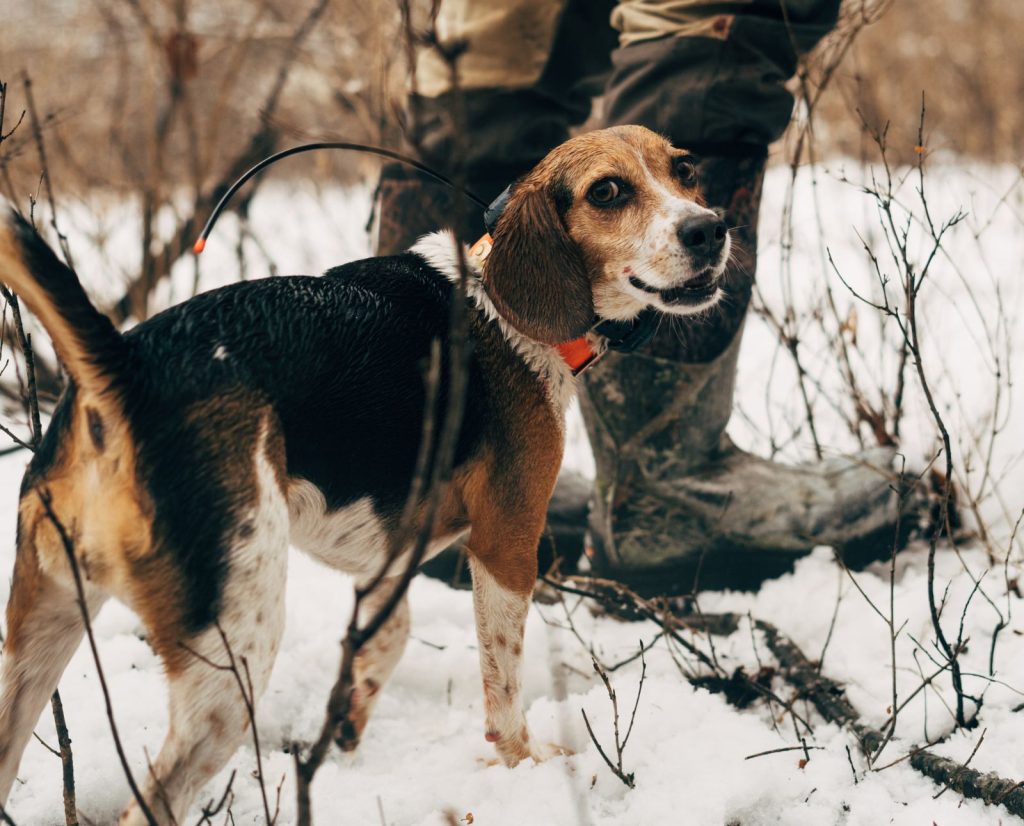
The thrilling sounds of a pack of hounds in hot pursuit of a cottontail is almost heaven for many rabbit hunters. Not only are the sounds exciting, hunting rabbits with hounds is a very effective method of harvesting cottontails. Kyle Hedges has written an excellent article on hunting rabbits with beagles that you should take a look at before giving it a try.
The basics are to run a string of beagles or other rabbit hounds through cover until they jump a rabbit and begin the chase. The rabbit will run a circular route and typically end up back where it was first jumped. The idea is to be set up near where the rabbit jumped to get a shot when it comes back through, or to predict where the rabbit is travelling by keeping up with what the dogs are doing and hoping to get a shot as the rabbit slinks by.
Most first timers to the rabbit/hound game will not go out and buy a set of beagles and just give it a try. It’s important to find a mentor that already has the dogs and tag along a few times to see what hunting rabbits with beagles is like before really diving into it.
Rabbit Hunting Habitat: Where to Find Cottontails
Speaking of habitat for still hunting (and stand hunting rabbits), the best places are overgrown fencerows, weed patches, pastures that have been allowed to go back and are full of weeds and brush, and anywhere there is an abundance of low-growing shrubby cover. Wherever you would think to hunt bobwhite quail are great places to start your search for rabbits.
Understanding what rabbits eat is one of the best ways to locate productive rabbit hunting habitat. Many of the plants cottontails rely on for food also provide the brushy cover they use for protection from predators. Learn more about the plants that make up prime rabbit habitat in this guide to rabbit habitat and what cottontails eat.
Best Firearms for Rabbit Hunting: .22 Rifle vs Shotgun
When rabbit hunting, I recommend using a shotgun of your choice in loads of No. 5 to No. 7.5. Many of your shots will be at runners that bust out at your feet or try to slink out ahead of you with their head down.
Some still hunting purists prefer to do all their rabbit hunting with a .22 caliber rifle and take sitting shots at rabbits. Snowy conditions are best for this method and if that’s how you want to hunt them, go for it. Success rates, especially for beginners, will be lower, but many hunters who have chased rabbits for decades prefer this method, especially because a good head shot on sitting rabbits wastes less meat than does a shotgun.
Stay Afield Longer by Hunting Rabbits
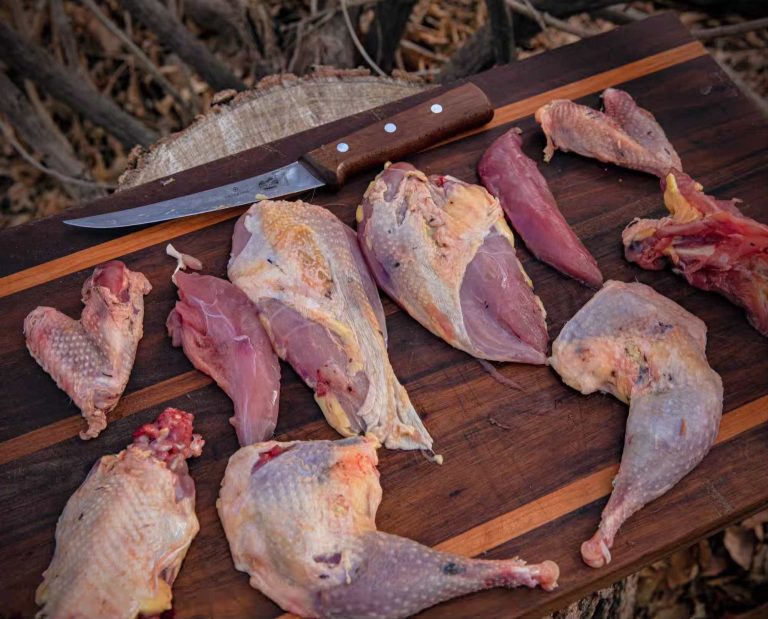
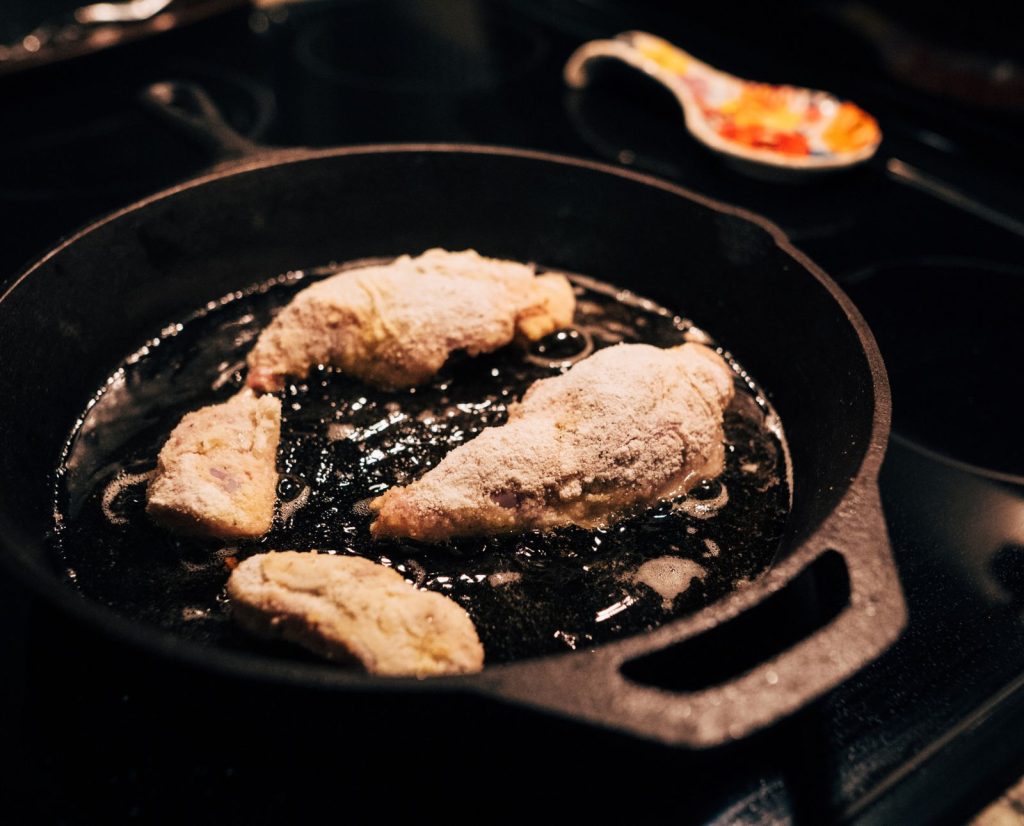
Rabbits are perfectly made to help extend your hunting season, especially when you really don’t want to case up the shotgun for a long off season but just need a few more outings to help scratch the itch. Their meat is delicious. My son and I love to devour rabbit back straps, then each grab a fried leg and go to work. Hopefully these tips will help close the learning gap for first timers or stir the mind of experienced hunters to try something new. Either way, give rabbit hunting a go during the next open season.