


How to Hunt Late Season Squirrels: Winter Food Sources, Hunting Tactics, and Weather Impacts
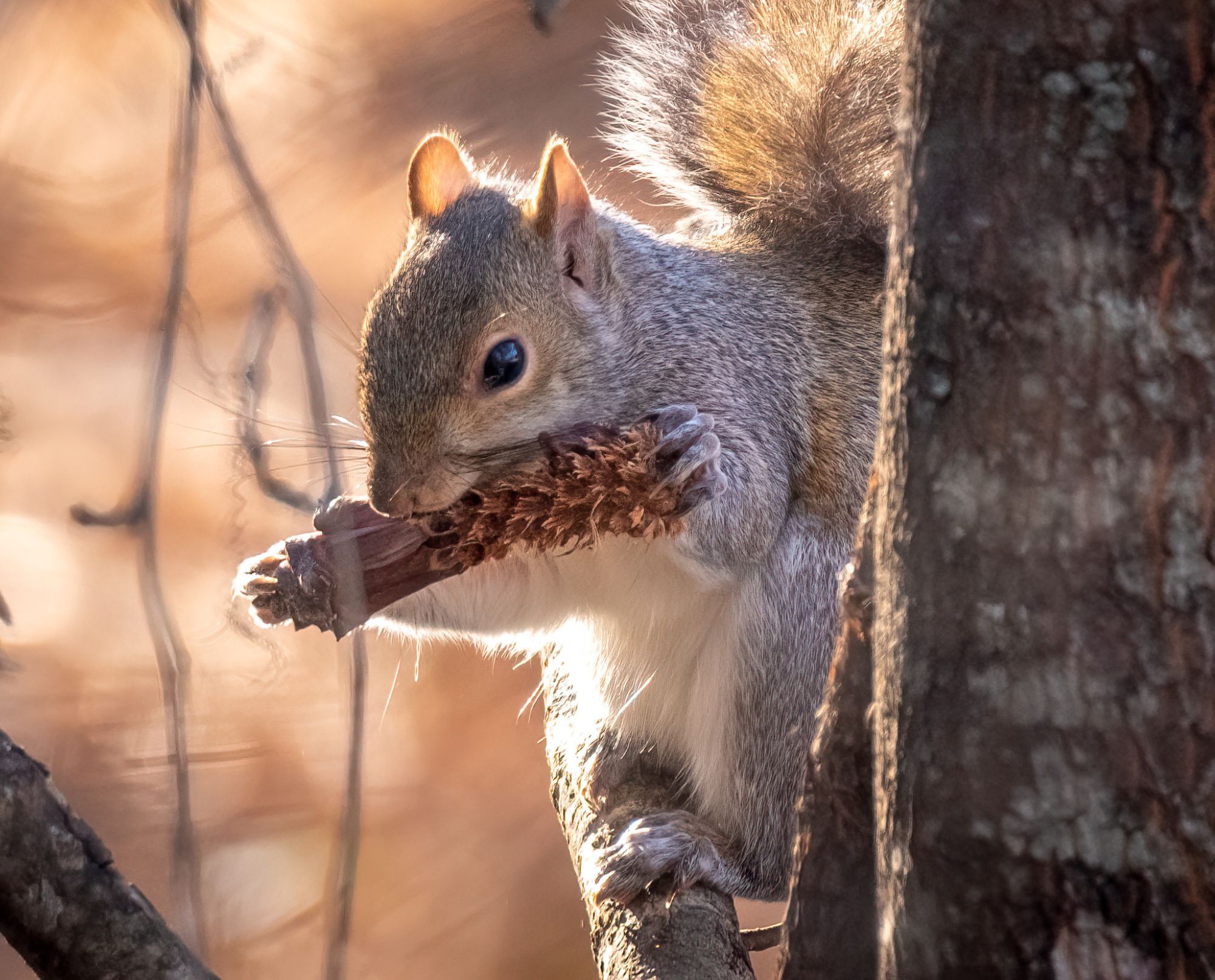
Learn about available food resources, effective hunting strategies, and how winter weather impacts squirrel activity during the late season.
In most states, squirrel season runs for months. In fact, the season is typically open for more days a year than it is closed, offering ample opportunity to get out and spend some time chasing bushytails. However, as the squirrel season progresses, preferred food sources shift. As a result, your squirrel hunting tactics must change, too.
When talking about squirrel hunting, the late season refers to the dead of winter. At this point in the season, most of the leaves have fallen, meaning a lot less cover in the timber for squirrels to hide. Food resources are reaching a low point. Hickory nuts and pecans likely disappeared by early fall. Acorns have been consumed by competitors like deer, turkeys, and many other species of wildlife. The squirrel population itself is near its lowest point of the year as well. Predation by raptors, mammals and even hunters has reduced their numbers. The squirrels that remain are veterans at survival and are much more wary than they were just months prior.
If you’re heading out to hunt these educated squirrels during the late season, here is some helpful information about food, hunting, and weather to keep in mind.
Foods Squirrels Eat During the Late Season
Regardless of whether you prefer to hunt squirrels from a stationary position or slowly slip through the timber, also known as still hunting, food is the most important factor. If there is no food source nearby, there will not be any squirrels in the area.
Much of a squirrel’s late season diet consists of the nuts they buried during the fall. However, they still tend to hang around areas with available food and rarely exclusively rely on previously stashed nuts in the winter. In timbered areas with both red and white oaks, red oak acorns are the most likely food source later in the season. White oak acorns are much more palatable to all wildlife and research has shown that the vast majority of white oak acorns are consumed during the fall months, leaving little to none for mid to late winter.
COOK: Squirrel Cacciatore
There are several species of red oaks depending on what part of the country you hunt. In fact, all species of red oaks and black oaks fall within the red oak group. Acorn production can be influenced by several environmental factors, including drought and frost timing. In any given year, there may be more or less acorns available to sustain wildlife throughout the winter months. Due to this variation, it’s important to scout food resources each year as last year’s late season acorn hunting spot may not have enough acorns to last all winter the following year.
Hedge apples, which come from Osage orange trees, are consumed throughout the fall, but will continue to be utilized in the winter months when oaks are scarce. This seems to be primarily a fox squirrel food source during the late season, but I’ve seen plenty of late season grey squirrel activity associated with hedge trees.
Waste grains can be an important late season food source in crop country. Squirrels actively work corn stubble fields, having to venture further into the corn rows later in the season as the kernels that fell within the outer rows are the first to get consumed. Soybean and wheat stubble also provide viable food sources for squirrels and should not be overlooked. The key to identifying the usability of any crop field is locating suitable habitat nearby. It doesn’t take much. Sometimes a tree row along one edge is enough to hold a couple fox squirrels.
In areas with pine, look for collections of peeled pinecones. Oftentimes there will be hundreds of peeled cones at the base of a single tree. This is a sure sign of a feeding area and a good place to post up waiting for some squirrels to show up at feeding time.
Late Season Squirrel Hunting Tactics
When it comes to late season squirrel hunting techniques, there are three main ways to go about it: stand hunting, still hunting, and hunting hedgerows.
Stand Hunting Squirrels
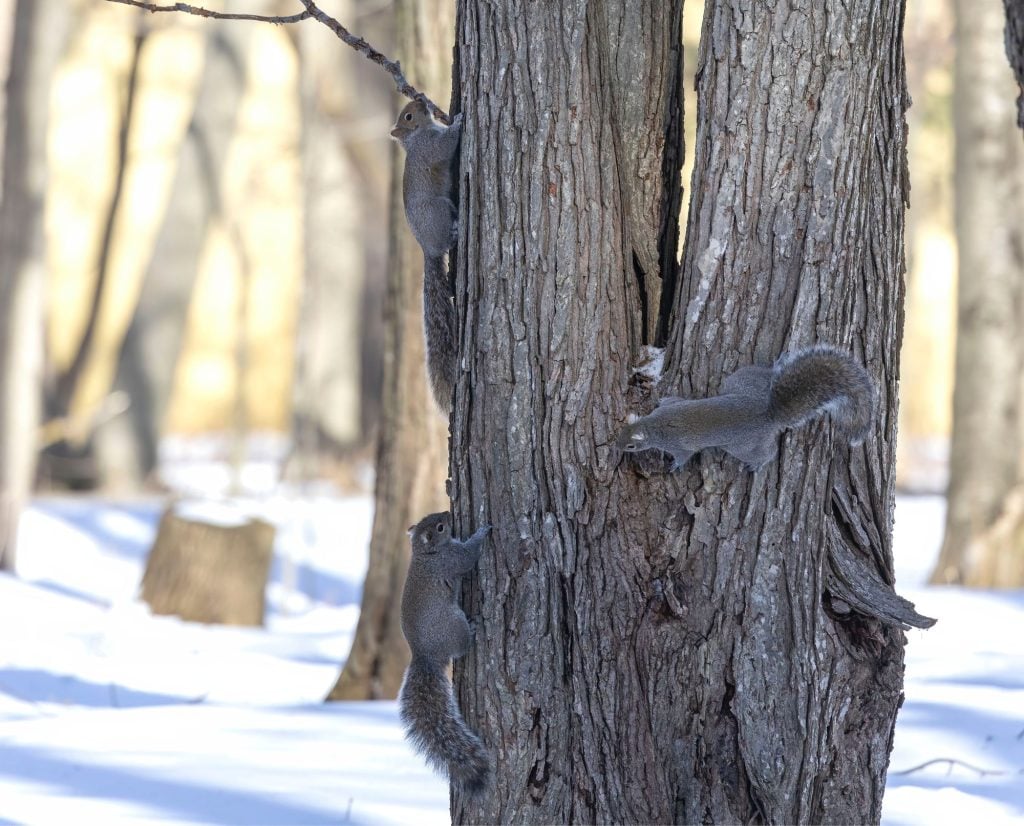
Stand hunting, or simply sitting stationary in the timber near a food source, is always a solid squirrel hunting strategy even during the late season. Squirrels often utilize hollow trees for dens, but some build nests out of leaves. During the winter months, these nests are easy to see since most leaves have dropped to the forest floor. Not every leaf nest will be active, but if you find a cluster of nests, it’s certainly a good spot to start.
READ: Stand Hunting Rabbits and Hares
With most of the trees being bare, being still and camouflaged is important. Squirrels can see movement and spook easily during the late season. If crop fields are nearby, sitting just inside the timber edge along the crop field can be a great place to intercept squirrels hustling back and forth gathering waste grain.
Still Hunting Squirrels
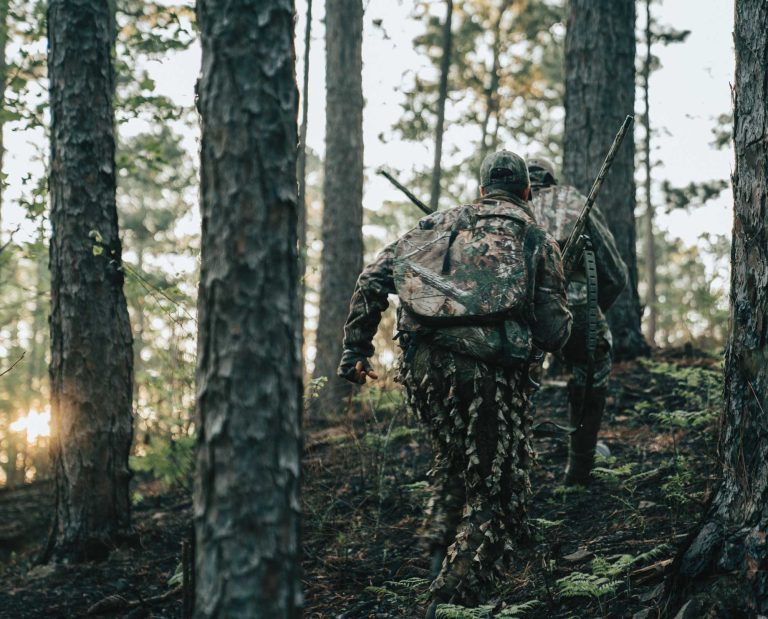
Still hunting is a great tactic and is my preferred way to hunt both grey and fox squirrels. This involves very slowly slipping through the woods, stopping for several minutes at a time watching for movement in the treetops. When a squirrel is spotted, I often wait to see if it is working towards my position. If it’s not, I will very slowly try to close the distance or circle around and get in front of the apparent direction the squirrel seems to be heading. During the late season I rarely harvest more than one or two squirrels in the same spot. I usually have to relocate 50 yards or more before spotting another squirrel hopping limb to limb.
Hunting Tree Rows
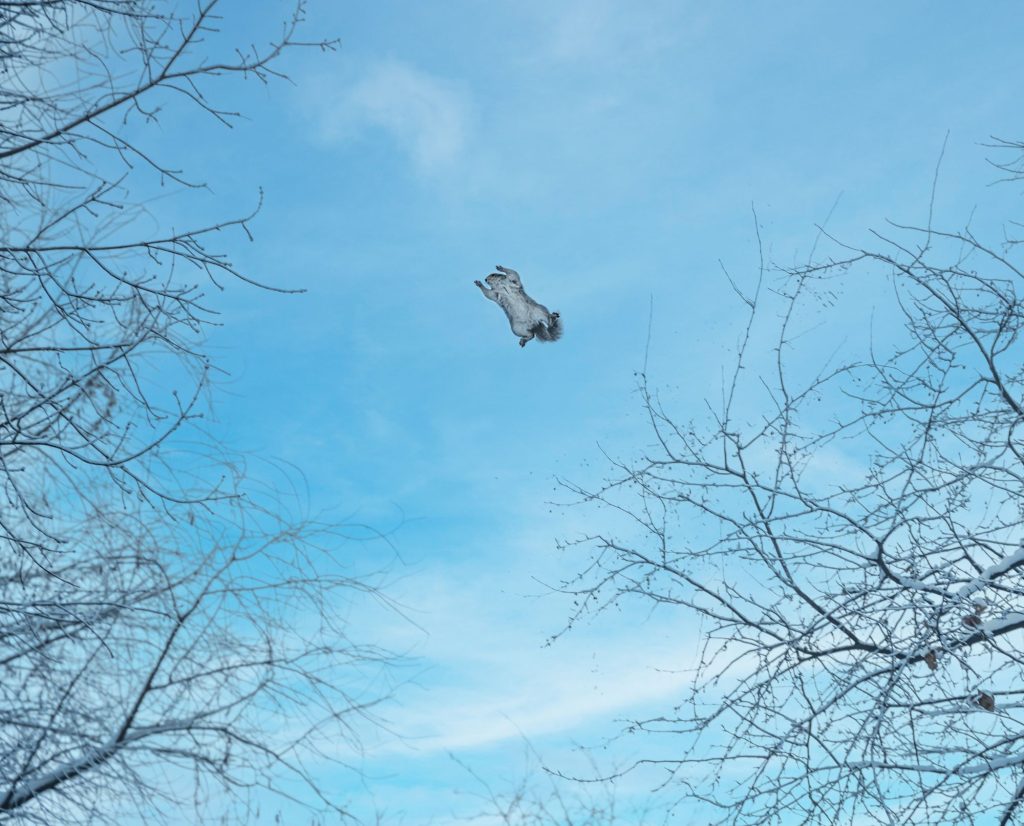
Hunting tree rows, or “hedgerows,” is probably the most underrated, underutilized tactic. This is best done with a hunting buddy or two carrying shotguns loaded with No. 5 or 6 shot. With a hunter on each side, simply walk the tree row just like you are bird hunting. It doesn’t really matter where the tree rows are located. Tree rows in pastures that have mast producing trees present, or tree rows through crop fields will hold squirrels. As you are walking, squirrels will bump and begin hustling tree to tree in an effort to evade the hunter they first noticed. In doing so, they often move to the opposite side of the tree, exposing themselves to the hunter on the other side of the tree row. Other times they just run and jump limb to limb down the tree row, making for some sporting shots.
Should You Hunt Squirrels With a .22 Or With a Shotgun?
Both of the above tactics are effective with either a .22 rifle or a shotgun. With all the leaves off the trees, rifle hunting is much easier in the winter than it is during the early season. Patience is key when hunting with a .22 rifle. Eventually, the squirrel will stop and offer a shot if it hasn’t figured out you are in its territory.
How Winter Weather Impacts Squirrel Activity
Weather can significantly influence squirrel activity throughout any given day. During extremely cold weather, squirrels will limit their movement, opting to stay in their nest in an effort to conserve energy. On borderline days where morning temps dip well below freezing, consider waiting until afternoon to venture afield. After the sun shines for a few hours and the temperature climbs above freezing, squirrels are much more likely to be active.
Windy days are a no go for me. Squirrels can’t hear, nor can they spot movement easily with the wind causing every limb in the timber to sway. Thus, they become extremely cautious. On really windy days, they might not move at all.
Squirrels aren’t the only ones that struggle to pick out movement on a windy day. Hunters also struggle to notice a limb bouncing from a squirrel hopping from tree to tree during windy days. It pays to watch the weather and pick calm days, or at least the calm periods during any given day, to chase bushy tails.
The Final Word on Late Season Squirrel Hunting
With the extensive season length in most states, late squirrel season can offer a great opportunity to stay active even after many bird seasons have closed. The ability to outwit these wily survivors during some of the toughest conditions of the year is testament to skill and woodsmanship.
Small game hunting used to be the gateway to hunting for most youngsters. Nowadays, small game has taken a back seat to big game hunting. We should all make an effort to reconnect with small game hunting and take a youngster or new hunter along to pass on the tradition while we’re at it. If you have never squirrel hunted, or haven’t done it for decades, take some time this season to give it a try. I promise you won’t regret the experience.


No mention of hunting with a Squirrel Dog! That is my favorite. My Pudelpointer, Dixie, absolutely loves ‘barking tree’ then getting rewarded with a mouthful of squirrel after I drop one out of the tree.
I know squirrel hunting with dogs is a thing, and in some areas of the country a really big thing. But I stick to writing what I know. Unfortunately I’ve never had the pleasure to squirrel hunt with dogs, so I don’t feel comfortable telling people how to best hunt that way. Basically, I like to stay in my lane!
I think you would really get a ‘kick’ out of hunting with a dog that ‘barks tree’! Come down to SE Texas and I’ll provide the opportunity.
Jim
Oh no doubt. I love any type of hunting that involves dogs.